

Insect pests: characterizing sensitivity to pyrethroids
Determination of susceptibility to lambda-cyhalothrin of populations of flea beetles, flea beetles, meligethes, different species of rapeseed weevils, and different species of bruchid beetles (faba bean, pea or lentil).
Price: From €305 excl. tax per range
For each population (1 population = 1 sampling site on a given date), insects are exposed to the insecticide to determine their sensitivity to different reference doses. A percentage mortality rate is determined for each dose tested, and an LD50 calculation is performed if results allow. The results are transmitted in the form of a report.

These services may be of interest to you
Building a localized supply chain
Terres Inovia can help you build a new, regionalized industry.From strategy to field…Oilseed impurities
Method used: in-house methodOilseed impurities ISO
Method used: NF EN ISO 658Water content ISO oilseeds
Method used: NF EN ISO 665Would you like a quote?
Would you like to know more about this service or receive a quote? Send us your request!
Price: From €305 excl. tax per range
Optimization of crushing and mechanical extraction of oil-protein seeds
Our other training courses
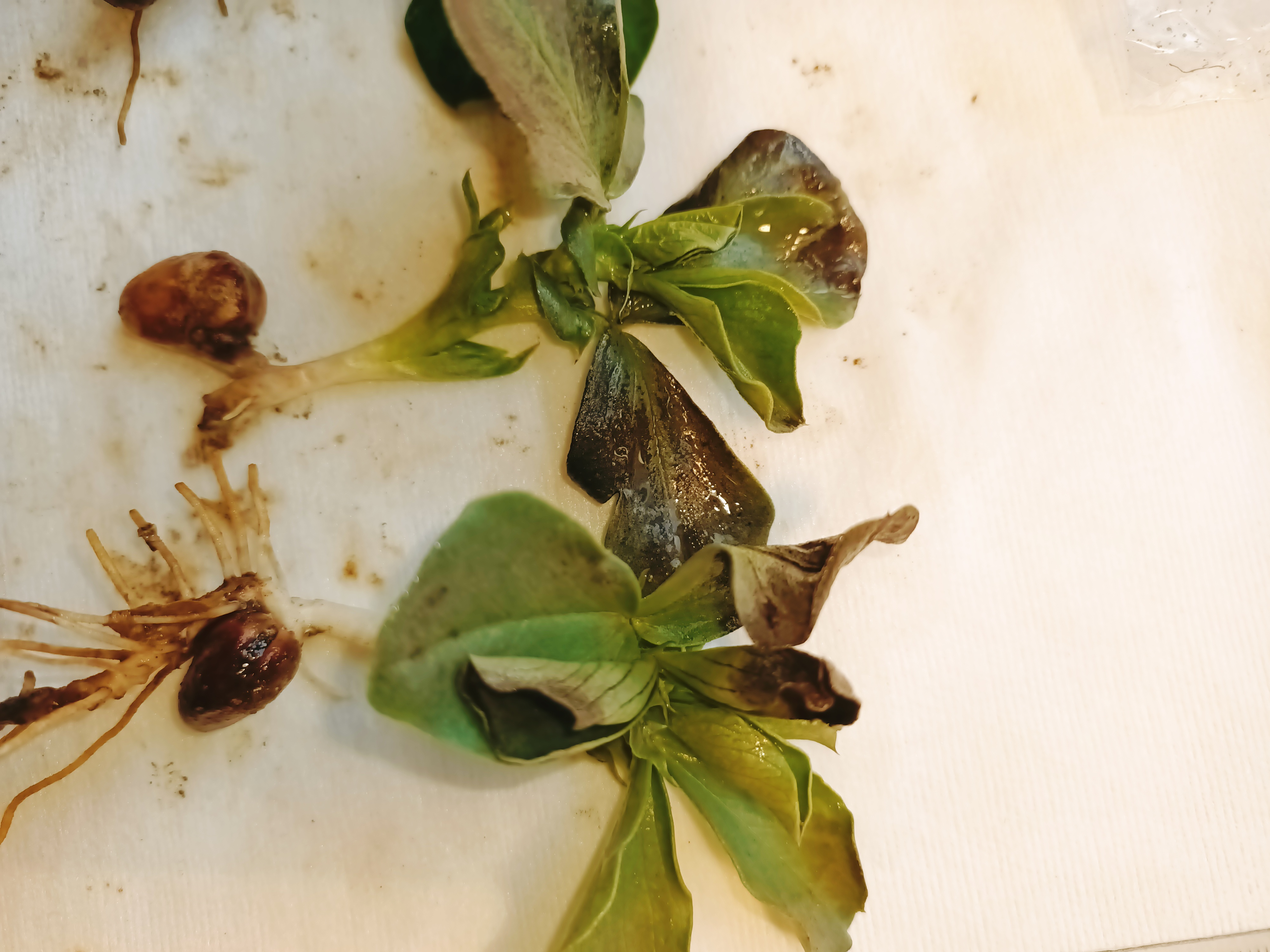
Peas, lupins and faba beans: diagnosing climatic accidents
Sur devis
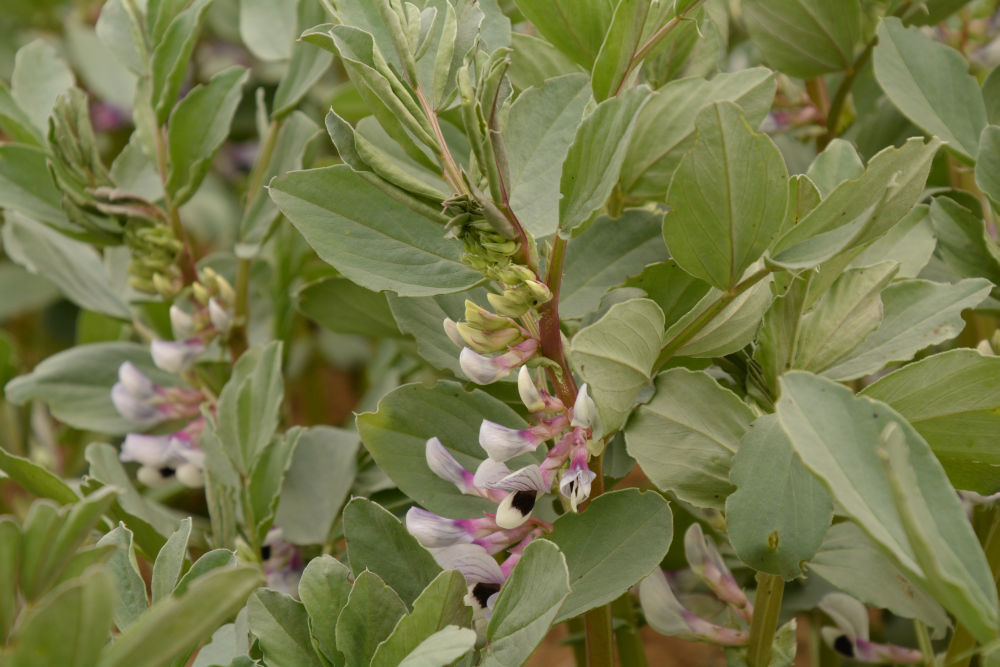
Mastering the cultivation of faba beans (winter & spring)
Sur devis
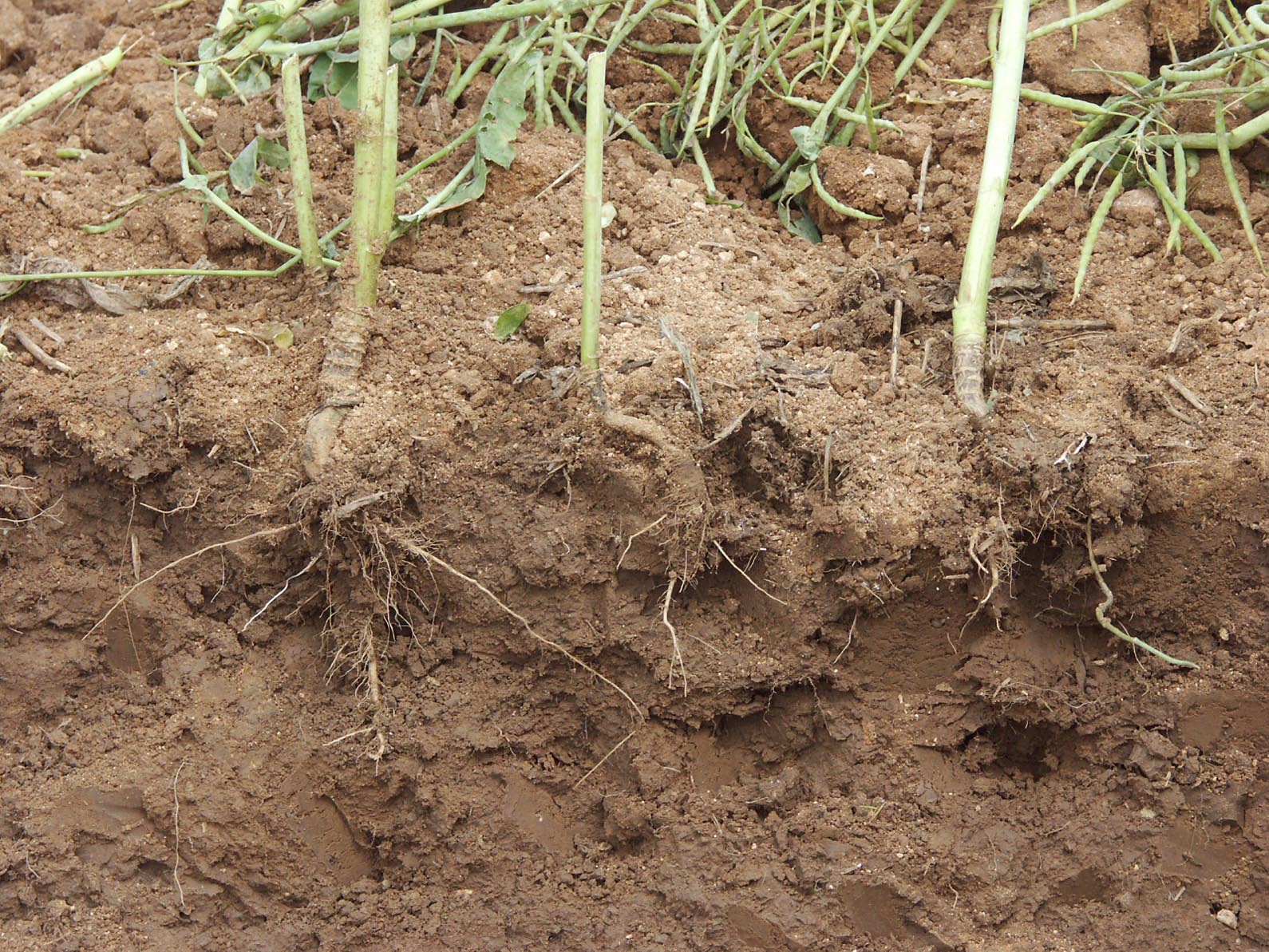
The spade test for successful crop establishment
Sur devis
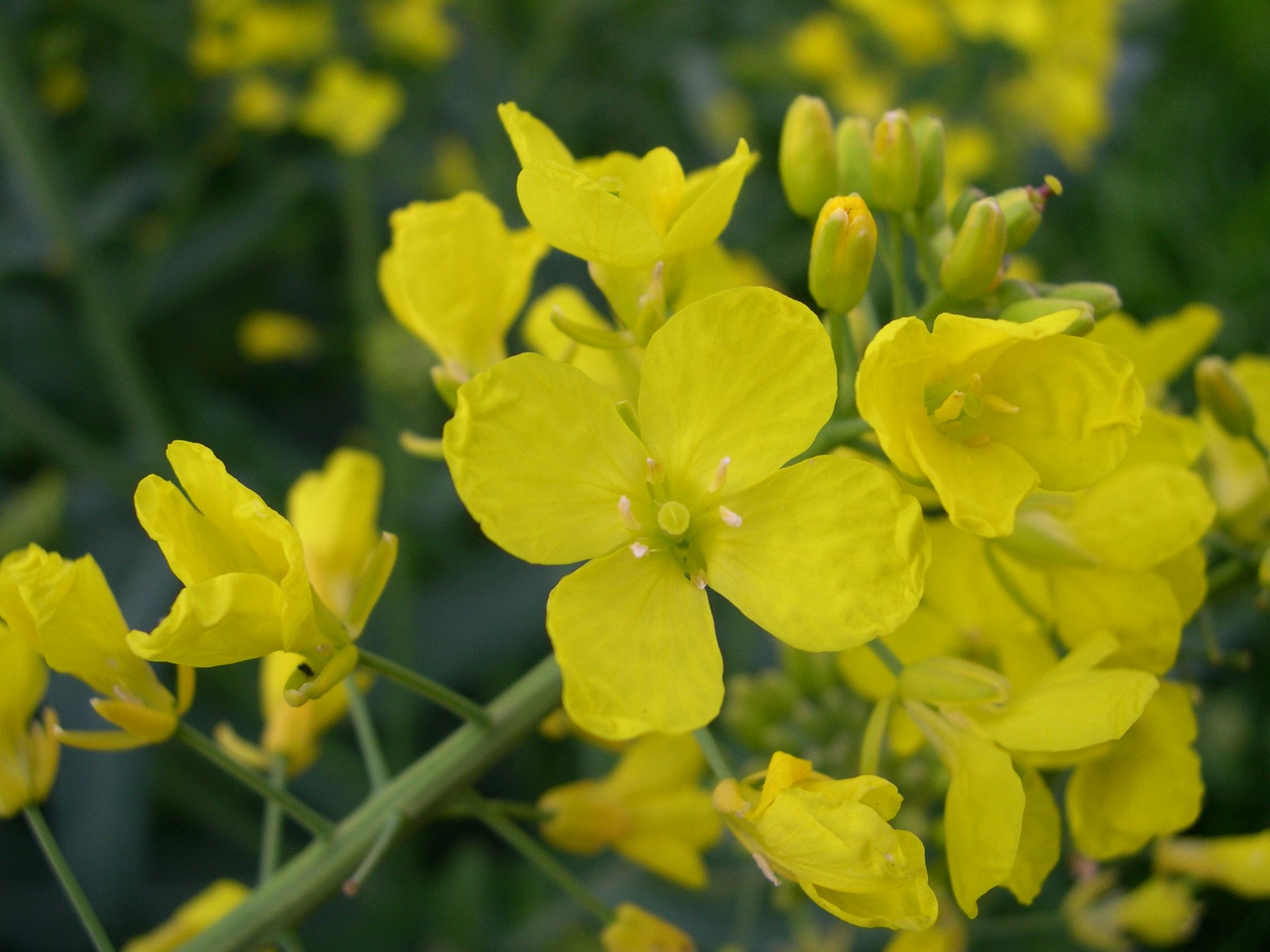
Rapeseed and agronomy: new strategies to meet new agri-environmental requirements
Sur devis

Training catalog
Discover all the field crop training courses offered by Arvalis and Terres Inovia.

Improve your mastery of crushing processes and mechanical extraction of oil-protein seeds.
This course will enable you to analyze in detail the impact of process parameters on the chemical composition of oils (fatty acids, phospholipids, undesirables) and on the nutritional quality of oilcakes (digestibility, anti-nutritional factors). It incorporates the latest advances in mechanical extraction and proposes an applied approach to optimize de-oiling performance and meet the technical requirements of industrial sectors.
Program:
Day 1: Fundamentals and practices of mechanical oilseed extraction
- Oil chemistry: fatty acids, triglycerides, phospholipids, sterols and phytosterols, waxes. Properties, risks of deterioration
- General information on seeds & hulling with a focus on sunflower: hulling, variability of oil quality linked to growing conditions and varieties.
- Extraction mechanics: compression, filtration, viscosity, press geometry
- Workshop visit: press study, analysis tools, case studies
- Feedback & case studies
Day 2: Heat treatment, product quality and industrial optimization
- Mechanics of baking
- Importance of baking
- Heat treatments & Oil and cake quality
- Feedback & case studies
- Process optimization tools
At the end of the course, participants will be able to :
- Identify the main chemical and nutritional characteristics of oils derived from oilseeds
- Analyze the effects of crushing processes on oil and cake quality
- Explain the operation of mechanical extraction processes and their critical parameters
- Assess the suitability of processed products for end-users (animal nutrition, industry)
- Use numerical tools to simulate, predict and optimize production performance
Theoretical and technical input: detailed presentations of the fundamentals (oil chemistry, extraction mechanisms, critical parameters), illustrated by diagrams and scientific data.
Case studies and feedback: analysis of real industrial situations, sharing of best practices and discussion of solutions.
Hands-on workshop visit: observe equipment (presses, analysis tools), demonstrate processes, manipulate parameters and analyze results in real time.
Interactive exchanges: question-and-answer sessions, quizzes to validate acquired knowledge, debates between participants and trainer.
Presentation aids given to participants: paper or digital documents: presentations, diagrams, key data, bibliography.
Digital optimization tools : use of software (Excel, solver) to simulate and optimize processes.
Case studies: simulations of industrial problems, collective analysis of solutions.
Workshop visit: possibility of a half-day workshop visit to see the effects of controllable parameters on de-oiling performance.
Technical managers, crushing plant operators or managers, agro-industrial processing professionals, R&D engineers, process technicians. End-of-session quiz, Q&A, individual satisfaction survey, self-positioningIf you have any requests for adaptations to help you succeed in your course, please contact the disability referent:
Christel CARO
Tel: 01 30 79 95 09
Mail: formation@terresinovia.fr
Aucun 960€ TTC 5 15 https://public.dendreo.com/4rsx27tf4npws6tp4zAwc/media/lb2dgnchlbyA786k4zvhkAcvjy5gyvczlj22y6tkgzmcwzrwmf6gq6byljb2gmlwpjdhgpj5hj22qz5ylbAAA7sz4qxtssjtnj2w9q6fgjrAcpj8 2 Jours Patrick CARRE 48 Inter-company and intra-companyDiagnosing and managing pea and faba bean diseases
Our other training courses
Dare to use cover crops in your cropping systems
Sur devis
Agronomic control of chickpea and lentil cultivation in the southwest of France
Sur devis
Successful pea and faba bean crops in the South-West
Sur devis
Master the cultivation of lentils, an interesting diversification crop for your rotations!
Sur devis
Anticipate, identify, act: faced with the challenges of sustainable agriculture, controlling pea and faba bean diseases is becoming a key lever. Thanks to this practical, targeted training course, you'll learn how to effectively recognize symptoms, understand epidemiological mechanisms and implement the best management strategies. A day to gain expertise, secure your crops and implement integrated protection in your practices.
Program:
1.disease identification :
- Presentation of symptoms of common pea and faba bean diseases using visual aids (photographic documents and samples of diseased plants).
- Study of airborne and root diseases
2.epidemiological knowledge :
- Understanding of pathogen life cycles
- Climatic and cultural conditions conducive to disease development
- Epidemic dynamics (sources of inoculum, period of contamination, survival of pathogens in the soil or on residues)
- Influence of agricultural practices (rotation, tillage, sowing, varieties) on epidemiological risks.
3 Disease management methods:
- Preventive strategies: varietal selection, residue management, crop establishment, adapted cultivation practices, etc.
- Contribution of decision-support tools (OAD)
- Rationalization of fungicide use: intervention thresholds, treatment windows, etc.
At the end of the course, participants will be able to :
- Identify and distinguish between the main diseases of pea and faba bean, both aerial and root diseases.
- Identify the risks of confusion between similar diseases and adopt a more vigilant approach
- Understand and analyze legume disease risk factors
- Select and implement management measures adapted to different disease situations
Face-to-face format:
- Theoretical part: Technical inputs, case studies, interactive quizzes via Teams.
- Field practice: Analysis of plots, observation of development stages, diagnosis of crop accidents, exchanges with the trainer.
Active methods: Presentations, quizzes, debates, disease observation, exchanges of experience.
Evaluation: Quiz, questions and answers, individual satisfaction survey, self-assessment.
Theoretical aids: Illustrated lectures, visual presentations, photographic documents, written material given to participants.
Diagnostic tools: Samples of diseased plants, recognition grids, decision-making tools for disease management.
Practical observation: Recognition of symptoms on samples or in real conditions (depending on the season).
Practical exchanges: Discussions, feedback between participants and trainer, case studies.
Agricultural technicians and advisors, Farmers and producers, Agricultural teachers and trainers, Agronomic and technical sales managers in agricultural distribution Quiz, disease recognition on a stand or in a plot (depending on the season), Q&A, individual satisfaction survey, self-positioning.If you have any requests for adaptations to help you succeed in your course, please contact the disability referent:
Christel CARO
Tel: 01 30 79 95 09
Mail: formation@terresinovia.fr
Aucun 480€ TTC 5 15 https://public.dendreo.com/4rsx27tf4npws6tp4zAwc/media/g36Agyrzl16dk8rA4r5hc6rykyxwyyjzfnbhcr5v4jngs5lm4nAAAwd5hf2xAm6xkrtwwpj5hj1x16dxmzqx2y5b4bkg36skn1z2grjwnj22cpj8 1 Jour Anne MOUSSART 23 Inter-company and intra-companySTAR
CASDAR Connaissances AAP 2024 operated by FranceAgriMer
780,000 (including public salaries - INRAE)
40 months Non NationalLes enjeux
Accélérer l’innovation et l’adaptation des systèmes de productions agricoles est nécessaire dans un contexte de mutations accélérées par le changement climatique et la montée des enjeux environnementaux. C’est particulièrement vrai pour le développement des biosolutions (biocontrôle et biostimulants) dont l’efficacité sur le terrain est parfois partielle et variable selon leurs conditions d’utilisation.
Pour définir leur domaine d’utilisation, il est important de décrire finement les conditions de mises en œuvre des produits (sol, climat, itinéraires techniques…) et de mettre en commun des données issues de situations de production variées. Afin de répondre à cet enjeu, les partenaires du projet mettent en commun leur expertise en matière de formalisation et de déploiement de bonnes pratiques de gestion des données, des métadonnées et de leurs descripteurs.
Les objectifs
Le projet STAR est au croisement de trois filières : la vigne, les grandes cultures oléoprotéagineuses et le maraîchage.
Il a pour objectif de lever les freins à un partage et une mutualisation des données expérimentales (collectées par des expérimentateurs selon des protocoles définis sur des dispositifs contrôlés) et techniques (c’est-à-dire les données décrivant les itinéraires techniques mis en œuvre sur l’exploitation). Pour cela, les techniques du Web-sémantique seront mobilisées afin de proposer des standards visant à uniformiser et rendre interopérables les différentes sources de données permettant de décrire de façon exhaustive les contextes de réalisation et les résultats des expérimentations.
Les résultats attendus
- Proposer des modèles de données adaptables associés à des vocabulaires contrôlés pour obtenir des données interopérables (thésaurus de variables…)
- Co-construire avec les expérimentateurs des outils simples et pratiques à mettre en œuvre pour explorer, enrichir, valider et produire des jeux de données complets et standardisés
- Mener des actions de diffusion, sensibilisation, de formation et d’accompagnement des acteurs
*Les signes s’entendent espaces compris (dans révision-statistiques)
Le rôle de Terres Inovia

Partenaire
Sur la tâche 1 : acculturation aux formats informatiques et aux outils du web-sémantique, contribution à la mise en place de modèles de données et de variables, production d’un thésaurus de variables
Sur la tâche 2 : mise au point et codage d’outils d’analyse de la conformité des données, production de rapports standard et d’outils de datavisualisation, mise au point de codes d’accès à des ressources communes (données météo., pédologiques…).
Sur la tâche 3 : contribution à la diffusion des bonnes pratiques et des livrables opérationnels produits : production d’outils de vulgarisation (tutoriels…), mise en place de webinaires et de formations
Réalisations et retombées
- Bonnes pratiques et modèles partagés avec les communautés scientifiques et techniques
- Codes informatiques d’analyse et de validation de jeux de données (fonctions, packages…)
- Formations et outils d’accompagnement (tutoriels, aides en ligne…)
- Communications scientifiques et techniques en open-data : data-paper, articles scientifiques (Computer and Electronics in Agriculture, Revue Ouverte d’Intelligence
- Artificielle), actes de colloques (Plate-Forme Intelligence Artificielle PFIA)
- Séminaire envisagé en fin de projet
Do you have a question?
Contact our specialist who will respond promptly to your request.
These projects may be of interest to you
Here are some other projects dealing with the same themes.
-
Colza
Pois d'hiver
Tournesol
Pois de printemps
Soja
Féverole d'hiver
Féverole de printemps
Lentille
Pois chiche
Lin d'hiver
Lin de printemps
Lupin d'hiver
Lupin de printemps
Cameline
Chanvre
Ravageurs
Fertilité et gestion durable des sols
CONCERTO
Concerted agro-ecological management of insect pests in field crops
-
Colza
Tournesol
Pois d'hiver
Pois de printemps
Soja
Féverole d'hiver
Féverole de printemps
Lentille
Pois chiche
Lin d'hiver
Lin de printemps
Lupin d'hiver
Lupin de printemps
Cameline
Chanvre
Job opportunities
M2ProLIV
Towards multi-functional protein ingredients obtained by moderate processing of lipid-rich plant co-products with health benefits
-
Colza
Pois d'hiver
Tournesol
Pois de printemps
Féverole d'hiver
Soja
Féverole de printemps
Lentille
Pois chiche
Lin de printemps
Lin d'hiver
Lupin d'hiver
Lupin de printemps
Cameline
Chanvre
Produire avec l’agroécologie
TwinFarms
Deploying digital twins at farm level to foster agro-ecological innovation
Ricin
Towards a better understanding of the factors affecting the successful establishment of intermediate crops
Frédéric Salvi f.salvi@terresinovia.fr
01 septembre 2024 Agir pour la transition agroécologique French Institute of Vine and Wine (IFV) En cours NonSpring peas
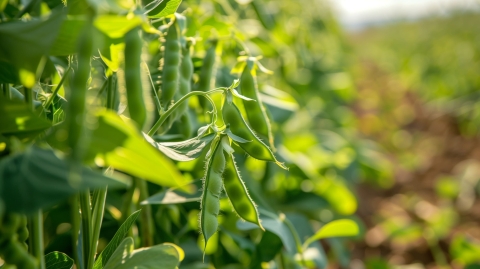
A source of vegetable protein, peas are mainly used in animal feed. Outlets for human food and as an ingredient are growing rapidly. Sown between mid-December and the end of March and harvested in June-July, spring peas are one of the best predecessors to wheat and rapeseed, helping to regulate the diseases of the dominant crops and controlling weeds throughout the rotation. By extracting nitrogen from the air via symbiotic bacteria in its root nodules, spring pea requires no nitrogen fertilizer, leaving nitrogen for the following crop and a well-structured soil.
Projects
Every year, Terres Inovia participates in or coordinates several national, European and international calls for projects on various themes.
-
Colza
Pois d'hiver
Tournesol
Pois de printemps
Soja
Féverole d'hiver
Féverole de printemps
Lentille
Pois chiche
Lin d'hiver
Lin de printemps
Lupin d'hiver
Lupin de printemps
Cameline
Chanvre
Ravageurs
Fertilité et gestion durable des sols
CONCERTO
Concerted agro-ecological management of insect pests in field crops
-
Colza
Tournesol
Pois d'hiver
Pois de printemps
Soja
Féverole d'hiver
Féverole de printemps
Lentille
Pois chiche
Lin d'hiver
Lin de printemps
Lupin d'hiver
Lupin de printemps
Cameline
Chanvre
Job opportunities
M2ProLIV
Towards multi-functional protein ingredients obtained by moderate processing of lipid-rich plant co-products with health benefits
-
Colza
Pois d'hiver
Tournesol
Pois de printemps
Féverole d'hiver
Soja
Féverole de printemps
Lentille
Pois chiche
Lin de printemps
Lin d'hiver
Lupin d'hiver
Lupin de printemps
Cameline
Chanvre
Produire avec l’agroécologie
TwinFarms
Deploying digital twins at farm level to foster agro-ecological innovation
Project sheet
Towards carbon neutrality with farms
Lorem ipsum dolor sit amet, consectetur adipiscing elit. Sed non risus. Suspendisse lectus tortor, dignissim sit amet, adipiscing nec, ultricies sed, dolor. Cras elementum ultrices diam. Maecenas ligula massa, varius a, semper congue, euismod non, mi. Proin porttitor, orci nec nonummy molestie,…Events
Upcoming cameline events
-
Colza
Tournesol
Pois d'hiver
Pois de printemps
Soja
Féverole d'hiver
Féverole de printemps
Lentille
Pois chiche
Lin d'hiver
Lin de printemps
Lupin d'hiver
Cameline
Lupin de printemps
Chanvre
International Agricultural Show 2026
-
Colza
Tournesol
Pois d'hiver
Pois de printemps
Soja
Féverole de printemps
Féverole d'hiver
Lentille
Pois chiche
Lin d'hiver
Lin de printemps
Lupin d'hiver
Lupin de printemps
Cameline
Chanvre
Enhancing protein sovereignty through training: the Formidable Protéine 2 project
Training
Develop your skills with camelina training courses designed and run by Terres Inovia experts.
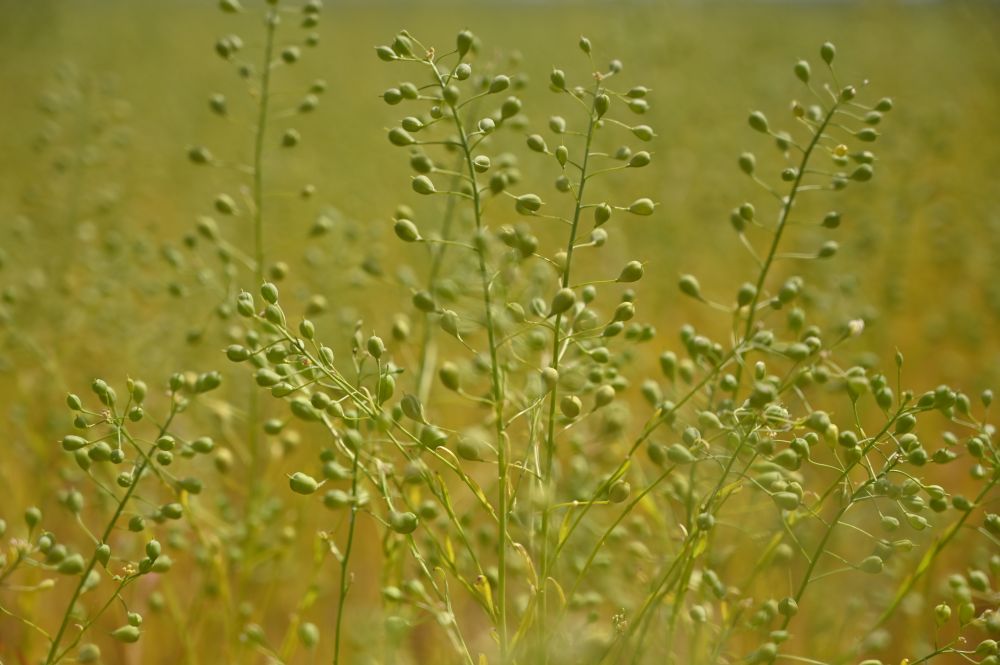
Mastering camelina cultivation
Sur devis
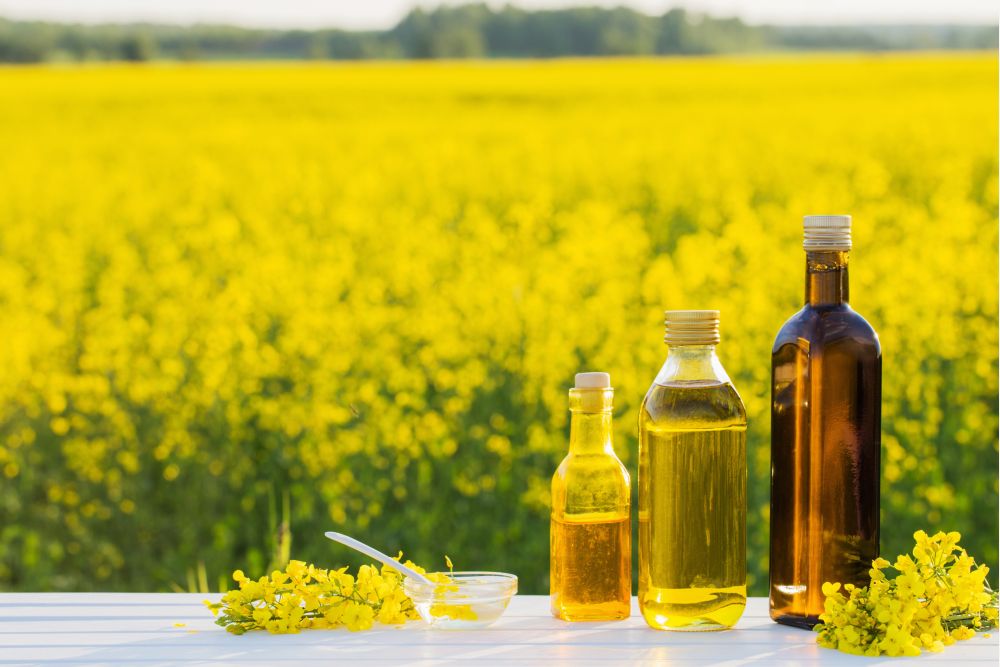
Short-circuit production of edible oil
Sur devis
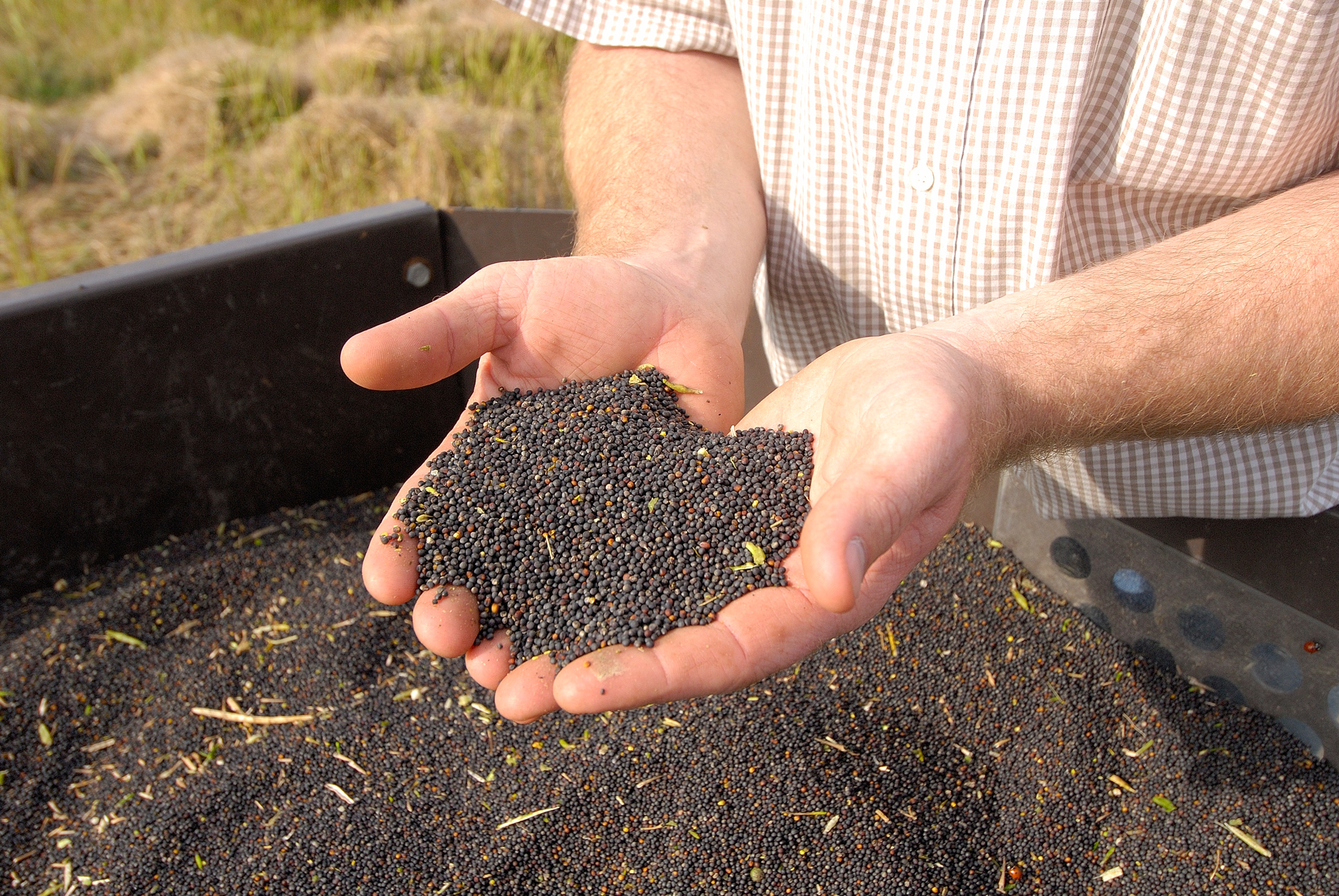
Optimization of crushing and mechanical extraction of oil-protein seeds
Sur devis
Editions
Terres Inovia can provide you with several technical publications on camelina.

Acta Phytosanitary Index 2024 (all crops)
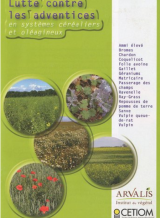
Weed control in cereal and oilseed systems
Services
Fatty acids ISO s/seeds
Method used: NF EN ISO 17059 - NF EN ISO 12966-4Fungal strain on culture medium
Supply of mycelial growth on culture medium for the fungal species described below.Price: from…Pathological diagnosis on plant material
Diagnosis by macroscopic and microscopic observation, supplemented if necessary by molecular…Weeds: characterization of sensitivity to ALS inhibitors
Research by molecular analysis (sequencing) of mutations in the acetolactate synthase gene…
Have a question? Please contact us!
If you have any questions or thoughts about our research, initiatives or projects, please don't hesitate to write to us.
Log in to contact your regional contact
If you do not wish to create an account, please use the contact form.
Key figures
hectares in France
average yield in France
tonnes in 2024
The benefits

Multiple outlets
Mainly used in animal feed, human food is also growing rapidly.

Facilitates scheduling
Its sowing and harvesting dates are later than those of wheat, rapeseed or the main spring crops.

Excellent precedent
Winter peas require no nitrogen fertilizer and leave nitrogen for the following crop.

Controller
It helps regulate the diseases of dominant crops and helps control weeds throughout the rotation.
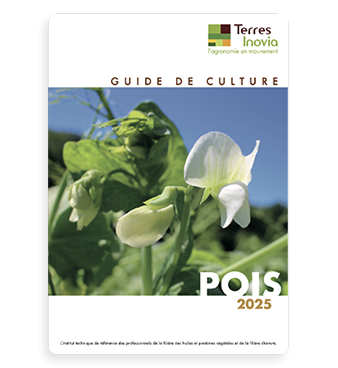
Growing guide
Organized into eleven thematic chapters, this guide provides everything you need to know about growing winter and spring peas: varieties, plot selection, planting, fertilization, weeding, harvesting and storage. Rotations, outlets, environmental and economic benefits: the guide presents the advantages of this key crop, which contributes to plant protein sovereignty and diversification.
Myvar
Consult and choose your oilseed and protein crop varieties.

Weeds: characterization of sensitivity to ALS inhibitors
Research by molecular analysis (sequencing) of mutations in the acetolactate synthase gene conferring resistance to ALS-inhibiting herbicides in weed populations (wild sunflower, ragweed, ammi majus, poppy, orobanche ramosa, orobanche cumana, geranium dissectum, geranium columbinum, geranium rotundifolium, sanve, ravenelle).
For each population (1 population = 1 sampling site on a given date), 5 plants are analyzed. The results are transmitted in the form of a report.
These services may be of interest to you
Building a localized supply chain
Terres Inovia can help you build a new, regionalized industry.From strategy to field…Oilseed impurities
Method used: in-house methodOilseed impurities ISO
Method used: NF EN ISO 658Water content ISO oilseeds
Method used: NF EN ISO 665Would you like a quote?
Would you like to know more about this service or receive a quote? Send us your request!