
Description
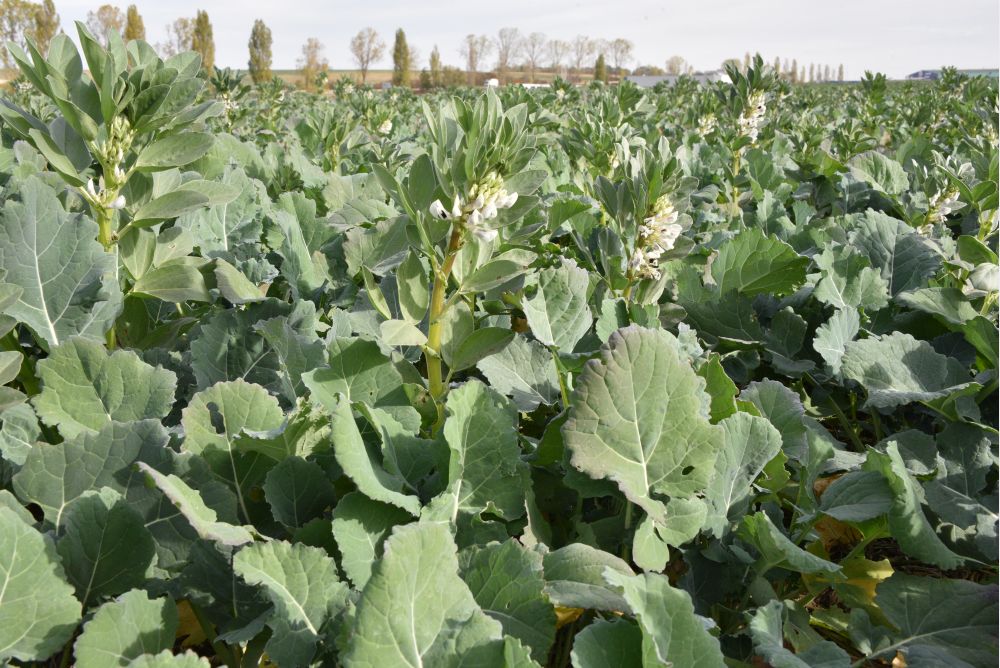
Peas and Field Beans: Maximizing Their Potential in the Southwest’s Farming
Systems As crops with high agronomic and economic value, peas and field beans play a key role in crop rotations in the Southwest. Well-suited to diverse soil types and regional climatic conditions, they help diversify crop rotations while reducing inputs. To get the most out of them, careful management is essential: choosing the right plot, varieties, and production practices... This training guides you step by step to ensure the success and optimize these crops in your local context.
On the agenda:
1. Understanding crop management in the Southwest
- Physiology of peas and field beans: key growth stages, environmental requirements
- Agronomic, environmental, and economic benefits in the regional context
2. Cultivation practices adapted to local conditions and associated decision-making guidelines
- Varietal selection suited to the climate of the Southwest
- Planting density and spacing according to regional soil types
- Plant protection: specific challenges (Aphanomyces, Sclerotinia, aphids, etc.)
3. Diagnosis and management of risks
- Identification of the main crop failures observed in the region
4. Value addition and market opportunities
- Region-specific market opportunities (human consumption, exports, local animal feed sectors)
- Storage and sorting strategies tailored to the markets of the Southwest
5. Performance and sustainability
- Technical and economic analysis of cropping systems in the local context
- Reduction in inputs, nitrogen savings, and benefits for the next crop
Training conducted in collaboration with FILEG (free for their members)
Training objectives
By the end of the training, participants will be able to:
- Identify the key factors for successful pea and faba bean cultivation in the soil and climate conditions of the Southwest,
- Select and adapt cultivation practices based on soil type, climate, and local pest pressures,
- Diagnose the main crop problems under regional conditions,
- Assess the economic and environmental performance of these crops in a localized context.
Teaching methods
Theoretical content: technical and scientific presentations tailored to the soil and climate conditions of southwestern France.
Practical case studies: analysis of real-world situations encountered by farmers in the region.
Feedback from field experience: sharing of best practices and proven solutions by participants and the trainer.
Interactive discussions: time dedicated to questions, discussions, and knowledge sharing among professionals.
Field visit or on-site assessment (depending on the season): practical application of knowledge in the field.
Assessment: quizzes, Q&A sessions, and individual satisfaction surveys to measure skill acquisition.
The session is led by Quentin LAMBERT, a regional expert, ensuring a local focus and precise responses to the area’s specific challenges.
Teaching resources
Educational materials: technical and summary documents provided to participants (handouts, illustrated presentations, practical guides).
Visual aids: diagrams, photos, and concrete examples to facilitate understanding of technical procedures and diagnostics.
Practical case studies: analysis of real-world situations, diagnosis of crop failures, and technical-economic performance studies.
Field visit (if possible): direct observation of crops, soils, and farming practices under real-world conditions.
Assessment methods
Quizzes, Q&As, and individual satisfaction surveys to assess skill acquisitionAccessibility information
If you need any accommodations to help you succeed in your program, please contact the disability coordinator:
Christel CARO
Phone: 01 30 79 95 09
Email: formation@terresinovia.fr
Our other training courses
Try incorporating cutlery into your farming systems
Sur devis
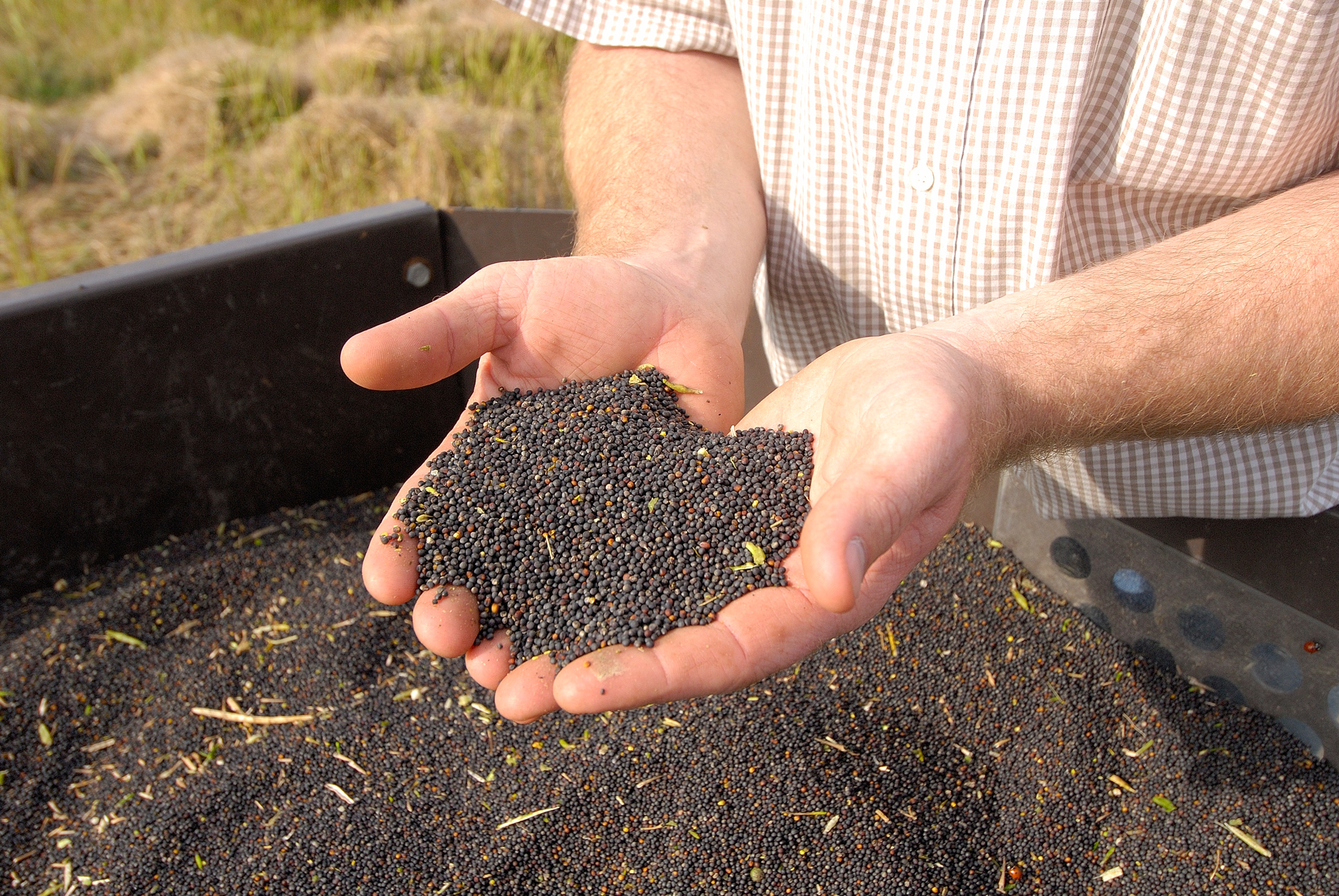
Optimization of the crushing and mechanical extraction of oil- and protein-rich seeds
Sur devis
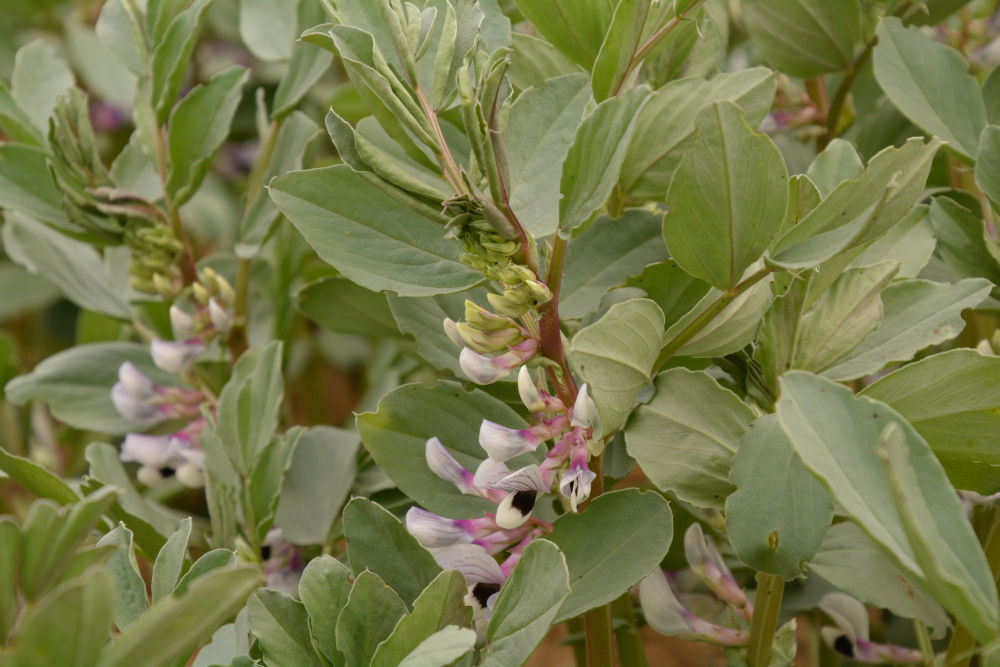
Diagnosing and Managing Diseases of Peas and Field Beans
Sur devis