


Key Figures
hectares in France
average yield in France
tons in 2024
The benefits

A wide range of career opportunities
While it is primarily used in animal feed, its use in human food is also growing rapidly

Simplifies scheduling
Its planting and harvesting dates differ from those of wheat, rapeseed, and other major spring crops

A great precedent
Winter peas do not require nitrogen fertilizer and leave nitrogen in the soil for the next crop

Controller
It helps manage diseases in major crops and aids in weed control within the crop rotation
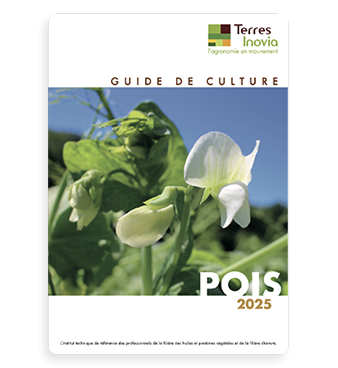
Growing Guide
Organized into eleven thematic chapters, this guide provides comprehensive information on growing winter and spring peas: varieties, site selection, planting, fertilization, weed control, harvesting, and storage. Covering crop rotations, market opportunities, and environmental and economic benefits, the guide highlights the advantages of this key crop, which contributes to plant protein self-sufficiency and agricultural diversification.
Tools
Check out our decision-making tools

Projects
Each year, Terres Inovia participates in or coordinates several national, European, and international calls for proposals on a variety of topics.
-
Rapeseed
Tournesol
Pois d'hiver
Pois de printemps
Soja
Féverole d'hiver
Féverole de printemps
Lentille
Pois chiche
Lin d'hiver
Lin de printemps
Lupin d'hiver
Lupin de printemps
Cameline
Interculture
Couverts végétaux
RECOVERY
Successfully growing and deploying cover crops to control weeds between crops
-
Rapeseed
Tournesol
Pois d'hiver
Pois de printemps
Soja
Féverole d'hiver
Féverole de printemps
Lentille
Pois chiche
Lin d'hiver
Lin de printemps
Lupin d'hiver
Lupin de printemps
Maitrise des adventices
Désherbage
PARAD
To anticipate, innovate, and support the agroecological transition in weed management
ALTIFAST
To bring together and support efforts to find innovative technical solutions to protect crops from flea beetles
-
Rapeseed
Tournesol
Pois d'hiver
Pois de printemps
Soja
Féverole d'hiver
Féverole de printemps
Lentille
Pois chiche
Lin d'hiver
Lin de printemps
Lupin d'hiver
Lupin de printemps
Cameline
Chanvre
Gérer son système de culture
Data-SpExGP
Collection of spatial data from large-plot experiments
Events
Upcoming events we are organizing
Field Trial: How Can We Make Peas a More Resilient Crop?
-
Pois d'hiver
Pois de printemps
Pois chiche
Lentille
Soja
Féverole de printemps
Féverole d'hiver
Lupin d'hiver
Lupin de printemps
Cap Protéines Challenge 5
-
Rapeseed
Tournesol
Pois d'hiver
Pois de printemps
Féverole d'hiver
Féverole de printemps
Lupin d'hiver
Lupin de printemps
Lentille
Soja
Pois chiche
Lin d'hiver
Lin de printemps
Cameline
Chanvre
Economic optimization
Gérer son système de culture
Fertilisation
Crop rotation and nitrogen management for the upcoming growing season: the keys to adapting to current conditions
Training
Build your skills with training courses designed and led by Terres Inovia experts
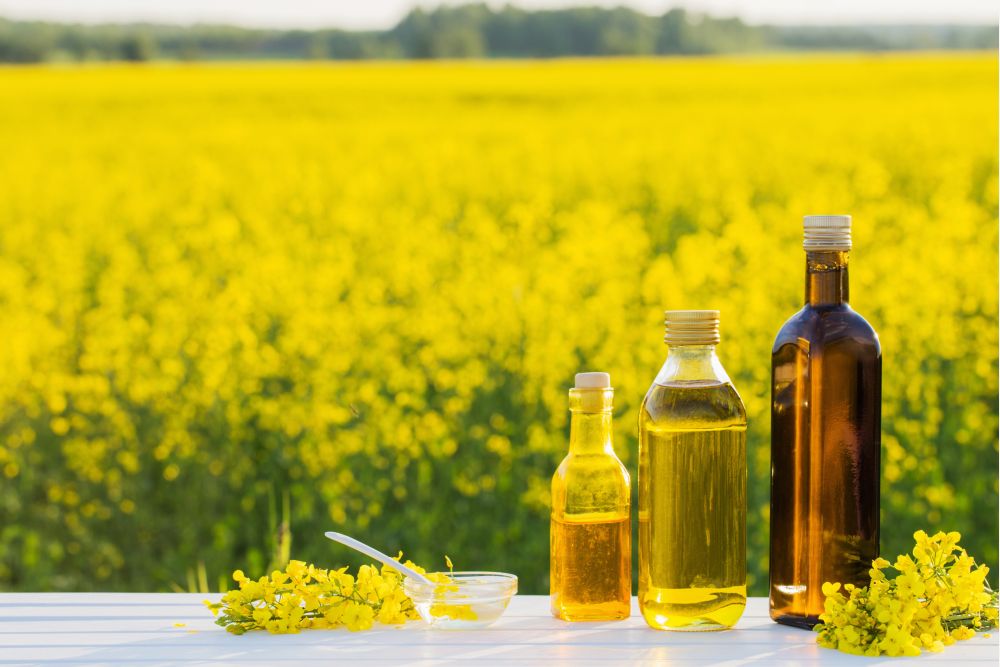
Production of edible oil through a short supply chain
Sur devis
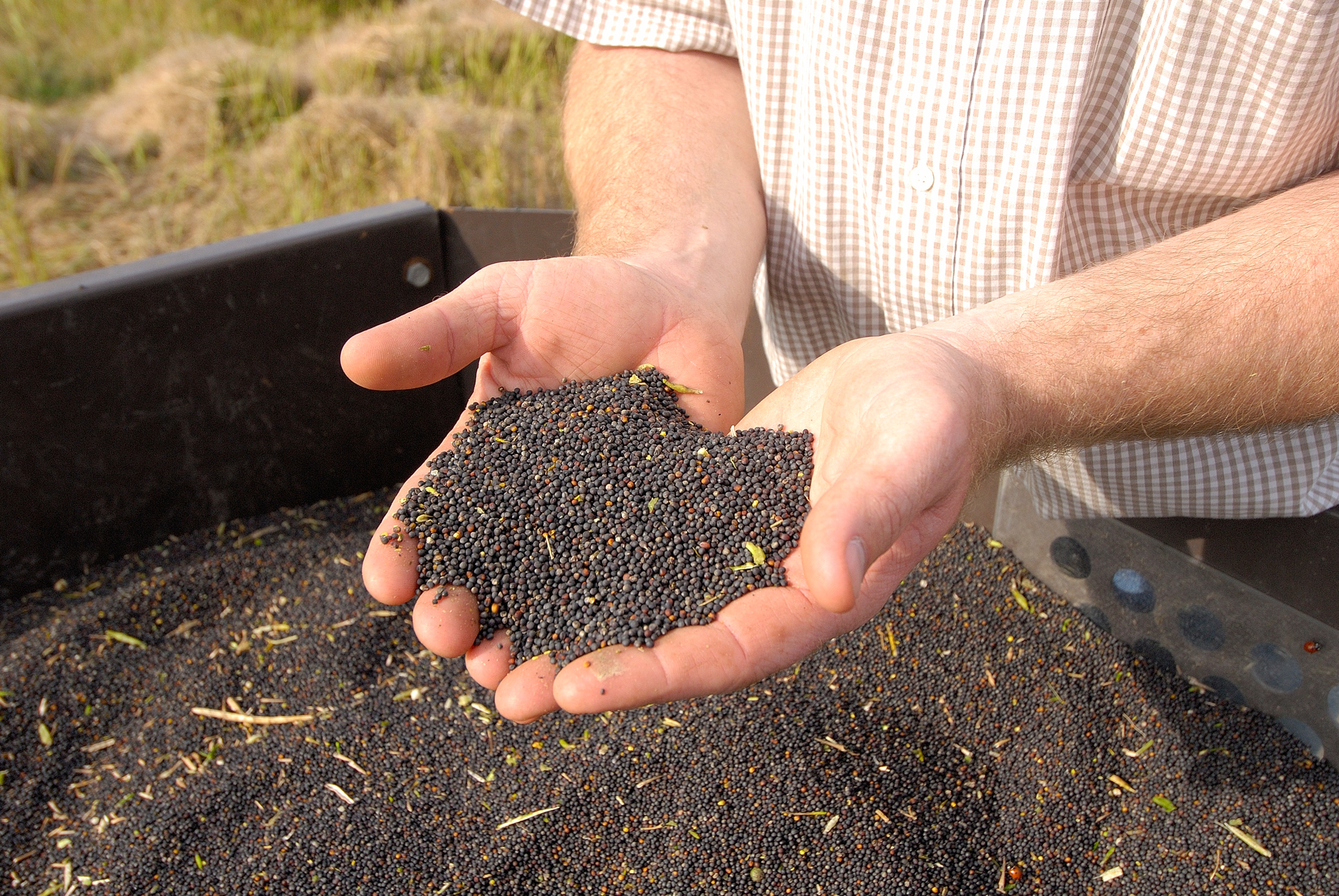
Optimization of the crushing and mechanical extraction of oil- and protein-rich seeds
Sur devis
Publications
To assist you, Terres Inovia offers several technical publications on peas
Weed control in cereal and oilseed systems
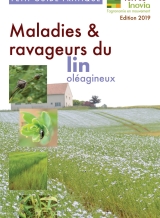
Diseases and pests of oilseed flax
Products and Services
Fatty acids in ISO seeds
Method used: NF EN ISO 17059 - NF EN ISO 12966-4Fungal strain on culture medium
Supply of mycelium grown on culture medium for the fungal species described below.Price: starting…Pathological diagnosis of plant material
Conducting a diagnostic assessment through macroscopic and microscopic examination, supplemented…Weeds: characterization of sensitivity to ALS inhibitors
Research by molecular analysis (sequencing) of mutations in the acetolactate synthase gene…
Have a question? Please contact us!
If you have any questions or thoughts about our research, initiatives or projects, please don't hesitate to write to us.
Log in to contact your regional contact
If you do not wish to create an account, please use the contact form.