
Description
Incorporating lentils and chickpeas into your crop rotations: a strategic agronomic
choice Lentils and chickpeas, cost-effective and high-yielding crops, improve soil fertility, break pest cycles, and offer reliable market opportunities. Tailored to the soil and climate conditions of southwestern France, this training program combines theoretical instruction with field visits to help you master cultivation techniques and integrate these legumes into your farming system in a sustainable way.
On the agenda:
1. Introduction to legumes:
- Definition of legumes and how they work,
- Role of legumes in soil fertilization and crop rotation.
2. Growing lentils in the Southwest
- Agronomic characteristics: spring variety, low-input crop
- Varieties (blonde, coral, green) and market opportunities
- Adapting the cultivation plan to regional constraints: soil types, water availability, temperatures
- Planting, variety selection, crop management, fertilization, protection
- Harvest: optimal conditions, equipment adjustments
3. Chickpea Management in the Southwest
- Agronomic, environmental, and economic benefits
- Regionalized technical guidelines: selection of sowing dates, planting densities, management under dry conditions, harvest, storage, and contract farming
- Management of pests specific to the region
4. Focus on organic farming
Training conducted in collaboration with FILEG (free for their members)
Training objectives
By the end of the training, participants will be able to:
- Explain the agronomic principles of lentil and chickpea cultivation
- Identify the agronomic, economic, and environmental benefits
- Select species and varieties suited to the soil and climate conditions of the Southwest
- Implement sustainable crop management practices: planting, fertilization, weed and pest management
- Diagnose major crop problems
- Apply best practices for harvesting and post-harvest handling
- Integrate the specific requirements of organic farming into the local context
Teaching methods
In-person format:
-
Classroom instruction: lectures, case studies, interactive discussions
-
Hands-on fieldwork: plot visits, crop observation
Active learning methods: Illustrated presentations, discussions, Q&A sessions, feedback
Assessment: Quizzes, Q&A sessions, application exercises, individual satisfaction surveys, self-assessment
Teaching resources
Theoretical materials: Lectures, visual presentations, written materials provided to participants
Field visit: Analysis of lentil and chickpea crops under real-world conditions, identification of key technical points
Exchange of best practices: Feedback on field experiences and group discussions with the trainer
Assessment methods
Quizzes, Q&As, practice exercises, individual satisfaction surveys, self-assessmentAccessibility information
If you need any accommodations to help you succeed in your program, please contact the disability coordinator:
Christel CARO
Phone: 01 30 79 95 09
Email: formation@terresinovia.fr
Our other training courses
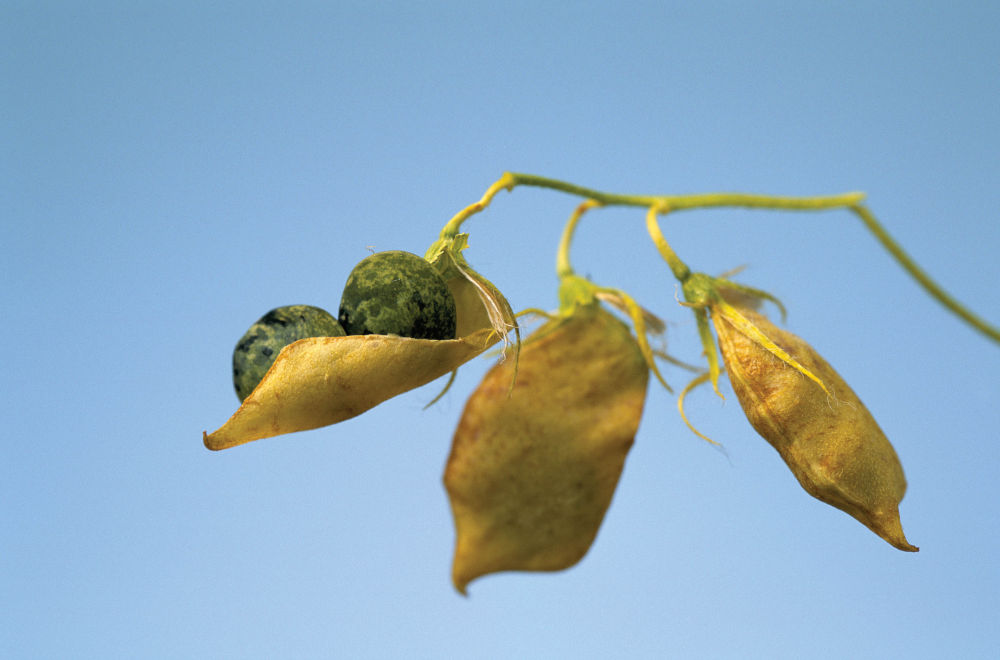
Master the art of growing lentils—a great crop to diversify your crop rotation!
Sur devis
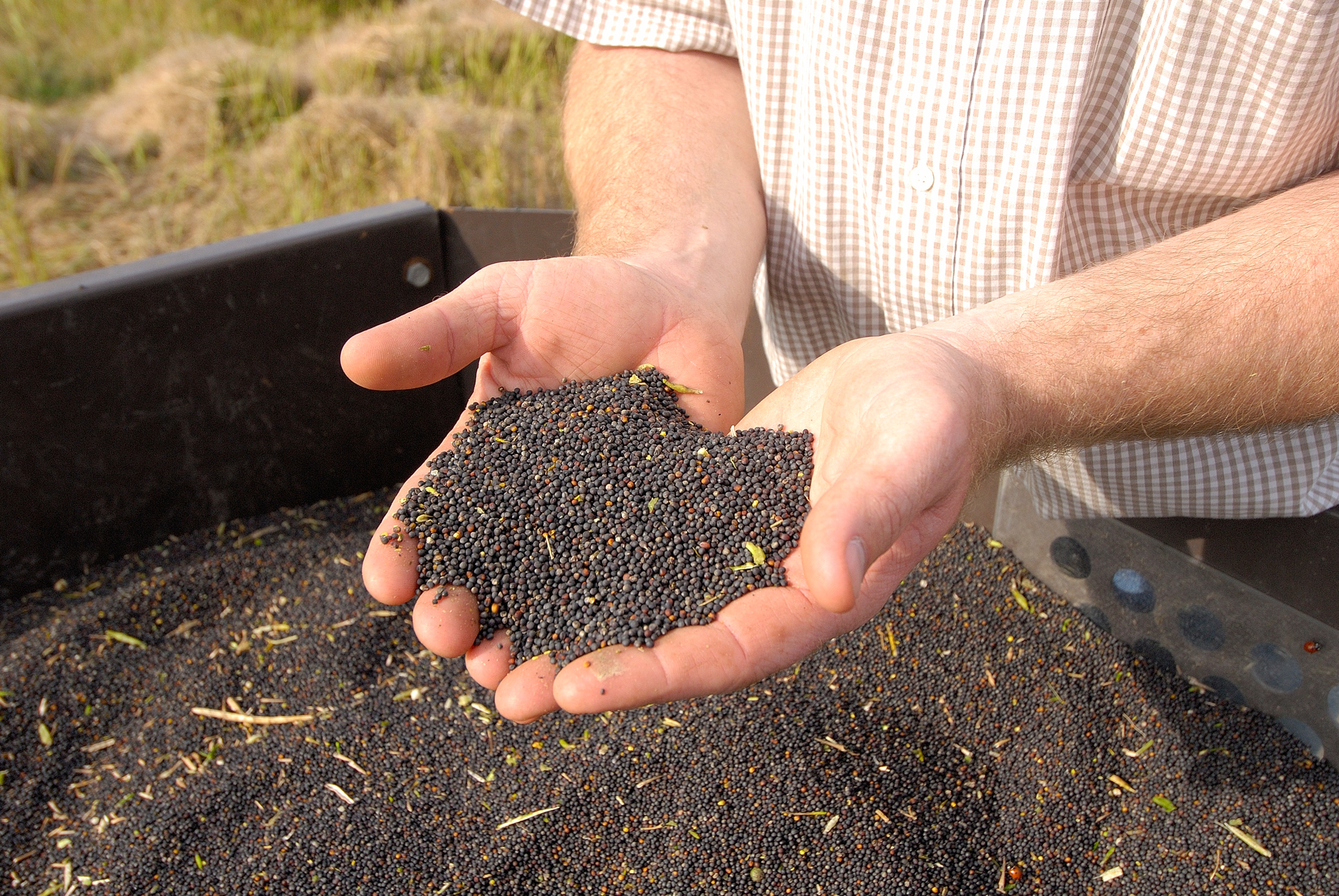
Optimization of the crushing and mechanical extraction of oil- and protein-rich seeds
Sur devis