
 Se connecter avec Facebook
 Se connecter avec Google

Building a localized supply chain
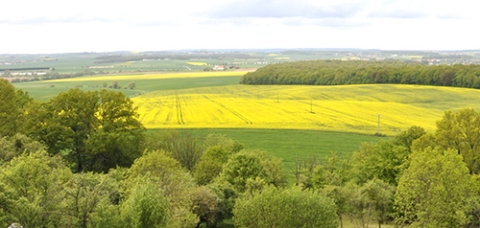
Terres Inovia can help you build a new, regionalized industry.
- From strategy to field deployment
- Study of the production potential and economic performance of oilseeds in different production contexts in France.
Notre offre
- Appui stratégique : éclairer les pouvoirs publics et les opérateurs privés sur la faisabilité technico-économique d’une filière oléoprotéagineuse territorialisée grâce à un accompagnement global sur l’ensemble de la chaine de valeur
- Appui sur le terrain : de l’état des lieux jusqu’à l’accompagnement des producteur
- Assemblage de compétences : Mobilisation des meilleurs experts à toutes les phases du projet pour éclairer les décisions
Les grandes étapes
- Etat des lieux
- Expérimentation terrain
- Synthèses et simulations
- Accompagnement au démarrage
These services may be of interest to you
Oilseed impurities
Method used: in-house methodOilseed impurities ISO
Method used: NF EN ISO 658Water content ISO oilseeds
Method used: NF EN ISO 665ISO oilseed cake water content
Method used: ISO 771Would you like a quote?
Would you like to know more about this service or receive a quote? Send us your request!
Fatty acids ISO s/seeds
Method used: NF EN ISO 17059 - NF EN ISO 12966-4

These services may be of interest to you
Building a localized supply chain
Terres Inovia can help you build a new, regionalized industry.From strategy to field…Oilseed impurities
Method used: in-house methodOilseed impurities ISO
Method used: NF EN ISO 658Water content ISO oilseeds
Method used: NF EN ISO 665Would you like a quote?
Would you like to know more about this service or receive a quote? Send us your request!
Agronomic control of chickpea and lentil cultivation in the southwest of France
Our other training courses
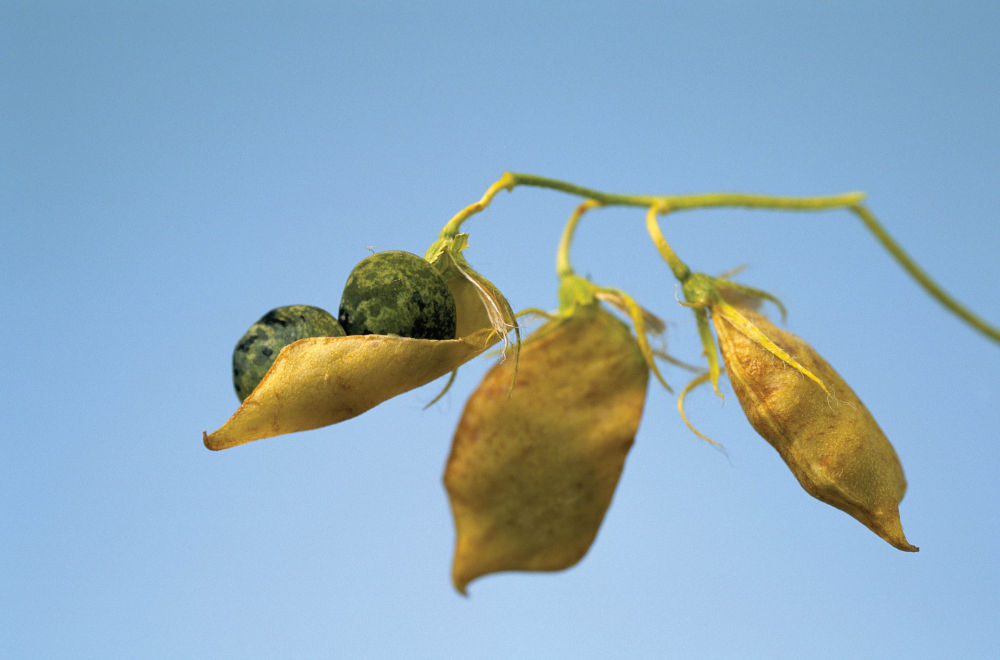
Master the cultivation of lentils, an interesting diversification crop for your rotations!
Sur devis
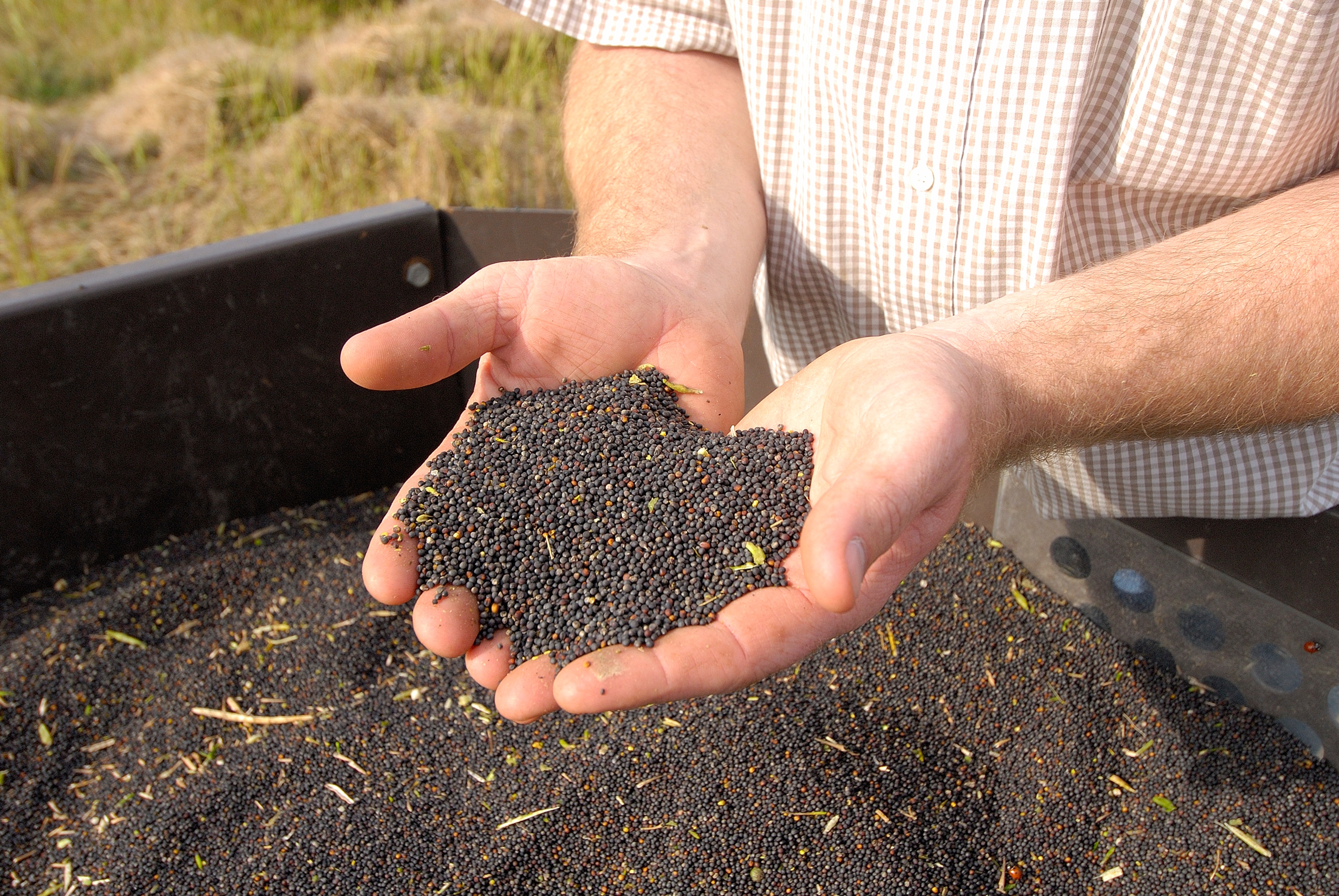
Optimization of crushing and mechanical extraction of oil-protein seeds
Sur devis
Integrating lentils and chickpeas into your crop rotations: a strategic agronomic choice
Lentils and chickpeas are economical, high-performance crops that improve soil fertility, break pest and disease cycles and offer secure outlets. Adapted to the pedoclimatic context of the South-West of France, the training course offers theoretical contributions and visits to master technical itineraries and integrate these legumes in a sustainable way.
Program:
Introduction to legumes:
- Definition of legumes and how they work,
- Role of legumes in soil fertilization and crop rotation.
Growing lentils in the Southwest of France
- Agronomic characteristics: spring species, low-input crop
- Typologies (blond, coral, green) and value-adding opportunities
- Adapting the technical itinerary to regional constraints: soil types, water availability, temperatures, etc.
- Planting, varietal selection, cultural management, fertilization, protection
- Harvesting: optimal conditions, equipment settings
Managing chickpeas in the South-West
- Agronomic, environmental and economic benefits
- Regionalized technical itinerary: choice of sowing dates, densities, management in dry conditions, harvesting, storage and contracting
- Area-specific pest and disease management
Focus on organic farming
At the end of the course, participants will be able to :
- Explain the agronomic functioning of lentil and chickpea crops
- Identify their agronomic, economic and environmental benefits
- Choose species and varieties suited to the soil and climate conditions of the South West of France
- Implement rational crop management: planting, fertilization, weed and pest management
- Diagnose the main crop accidents
- Apply good harvesting and post-harvest practices
- Integrate the specificities of organic farming into the local context
Face-to-face format:
-
In-class technical input: presentations, case studies, interactive discussions
-
Practical application in the field: plot visits, crop observation, etc.
Active methods: Illustrated presentations, debates, questions and answers, feedback
Evaluation: Quizzes, questions and answers, application exercises, individual satisfaction survey, self-assessment
Theoretical support: Lectures, visual presentations, written material given to participants.
Field visits: Analysis of lentil and chickpea crops in real-life conditions, identification of key technical points.
Practical exchanges: Feedback from field experience and group discussions with the trainer.
Advisors/Technicians from development, economic and agri-supply organizations. Teachers. Farmers Quiz, Q&A, application exercise, individual satisfaction survey, self-positioningIf you have any requests for adaptations to help you succeed in your course, please contact the disability referent:
Christel CARO
Tel: 01 30 79 95 09
Mail: c.caro@terresinovia.fr
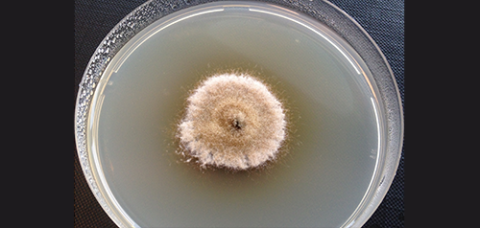
Aucun 480€ TTC 5 15 1 Jour Quentin LAMBERT 94 Inter-company and intra-companyFungal strain on culture medium
Supply of mycelial growth on culture medium for the fungal species described below.
Price: from 107€ excl. tax per strain
Alternaria brassicae, Alternaria brassicicola, Alternaria tenuissima, Aphanomyces euteiches, Aphanomyces cochlioides, Ascochyta pisi, Ascochyta fabae, Ascochyta rabiei, Botrytis cinerea, Botrytis fabae, Cladosporium sp, Cylindrosporium concentricum, Colletotrichum lini, Colletotrichum lupini, Epicoccum sp., Fusarium oxysporum, Fusarium solani, Leptosphaeria maculans, Leptosphaeria biglobosa, Leptosphaeria lindquistii, Macrophomina phaseolina, Penicillium sp., Phomopsis helianthi, Phoma medicaginis, Phomopsis phaseolorum, Rhizoctonia sp., Pythium sp., Pseudomonas syringae pv. pisi, Rhizopus sp., Sclerotinia sclerotiorum, Sclerotinia trifoliorum, Septoria linicola, Septoria glycines, Stemphyllium sp., Trichoderma sp., Verticillium dahliae, Verticillium longisporum.
These services may be of interest to you
Building a localized supply chain
Terres Inovia can help you build a new, regionalized industry.From strategy to field…Oilseed impurities
Method used: in-house methodOilseed impurities ISO
Method used: NF EN ISO 658Water content ISO oilseeds
Method used: NF EN ISO 665Would you like a quote?
Would you like to know more about this service or receive a quote? Send us your request!
Pathological diagnosis on plant material
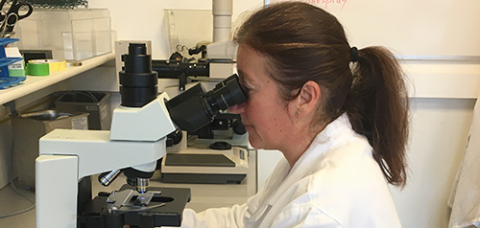
Diagnosis by macroscopic and microscopic observation, supplemented if necessary by molecular analysis and/or isolation of the pathogenic micro-organism on culture medium. The results are transmitted in the form of a report.
Price: from €268 excluding VAT
These services may be of interest to you
Building a localized supply chain
Terres Inovia can help you build a new, regionalized industry.From strategy to field…Oilseed impurities
Method used: in-house methodOilseed impurities ISO
Method used: NF EN ISO 658Water content ISO oilseeds
Method used: NF EN ISO 665Would you like a quote?
Would you like to know more about this service or receive a quote? Send us your request!
Optimization of crushing and mechanical extraction of oil-protein seeds
Our other training courses

Training catalog
Discover all the field crop training courses offered by Arvalis and Terres Inovia.

Deepen your understanding of crushing processes and the mechanical extraction of oil-protein seeds.
This course will enable you to analyze in detail the impact of process parameters on the chemical composition of oils (fatty acids, phospholipids, undesirables) and on the nutritional quality of oilcakes (digestibility, anti-nutritional factors). It incorporates the latest advances in mechanical extraction and proposes an applied approach to optimize de-oiling performance and meet the technical requirements of industrial sectors.
Program:
Day 1: Fundamentals and practices of mechanical oilseed extraction
- Oil chemistry: fatty acids, triglycerides, phospholipids, sterols and phytosterols, waxes. Properties, risks of deterioration
- General information on seeds & hulling with a focus on sunflower: hulling, variability of oil quality linked to growing conditions and varieties.
- Extraction mechanics: compression, filtration, viscosity, press geometry
- Workshop visit: press study, analysis tools, case studies
- Feedback & case studies
Day 2: Heat treatment, product quality and industrial optimization
- Mechanics of baking
- Importance of baking
- Heat treatments & Oil and cake quality
- Feedback & case studies
- Process optimization tools
At the end of the course, participants will be able to :
- Identify the main chemical and nutritional characteristics of oils derived from oilseeds
- Analyze the effects of crushing processes on oil and cake quality
- Explain the operation of mechanical extraction processes and their critical parameters
- Assess the suitability of processed products for end-users (animal nutrition, industry)
- Use numerical tools to simulate, predict and optimize production performance
Theoretical and technical input: detailed presentations of the fundamentals (oil chemistry, extraction mechanisms, critical parameters), illustrated by diagrams and scientific data.
Case studies and feedback: analysis of real industrial situations, sharing of best practices and discussion of solutions.
Hands-on workshop visit: observe equipment (presses, analysis tools), demonstrate processes, manipulate parameters and analyze results in real time.
Interactive exchanges: question-and-answer sessions, quizzes to validate acquired knowledge, debates between participants and trainer.
Presentation aids given to participants: paper or digital documents: presentations, diagrams, key data, bibliography.
Digital optimization tools : use of software (Excel, solver) to simulate and optimize processes.
Case studies: simulations of industrial problems, collective analysis of solutions.
Workshop visit: possibility of a half-day workshop visit to see the effects of controllable parameters on de-oiling performance.
Technical managers, crushing plant operators or managers, agro-industrial processing professionals, R&D engineers, process technicians. End-of-session quiz, Q&A, individual satisfaction survey, self-positioningIf you have any requests for adaptations to help you succeed in your course, please contact the disability referent:
Christel CARO
Tel: 01 30 79 95 09
Mail: c.caro@terresinovia.fr
Aucun 960€ TTC 5 15 https://public.dendreo.com/4rsx27tf4npws6tp4zAwc/media/3r5dg5tsgb2wc7dcgrgAqns5krxvAA5A3vAvql5v4zrts86jlj62q9ty48lf2mty3qxx4pj5hj6A4rrwmnmxql6t48Ag3ztAfnhx4mdygb52cpj8 2 Jours Patrick CARRE 48 Inter-company and intra-companyHerbi1&NoPhy
OFB
1 200 000€
60 months Oui NationalThe challenges
Herbicide management is at the heart of farmers' concerns. There is a strong need for references in a context where the number of active ingredients is decreasing, resistance is developing and climate change is having an impact on weed dynamics and intervention times.
Following on from the XpeGE 0 project, which tested systems without phytosanitary products, Herbi1&NoPhy is based on less risk-taking for farmers and supply chains: the use of herbicides is a low priority, well after agronomic levers - but not excluded - and the use of other phytosanitary products is circumvented by technical choices.
The evaluation of this new project should make it possible to measure the technical and economic consequences of very drastically reducing the use of phytosanitary products, with a view to adapting systems to climate change, based on the notion of diversity (species, varieties, tillage, sowing periods, etc.).
The objectives
The aim of this experimentation and transfer project is to consolidate, build up and disseminate references on field crop and mixed farming systems, with a marked break in the use of phytosanitary products adapted to the context of climate change. It is based on a strong technical partnership between research, development, teaching and farmers.
The experimental sites (2 platforms and 10 observatories) will test annual cropping systems that represent a major break with the past, using all available agronomic, genetic, mechanical and biocontrol levers, with minimal use of herbicides and the use of other products only when absolutely necessary.
Expected results
The aim of the project is to create benchmarks for low-use phytosanitary practices. Estimating the technico-economic impact, the consequences in terms of equipment investment or working time, and assessing the acceptability of these systems to farmers through controlled observatories are the results expected from the project to help farmers adopt these systems.
The role of Terres Inovia

Partner
- Technical intervention on the Haroué platform
- Reflection on intervention thresholds as a last resort
Do you have a question?
Contact our specialist who will respond promptly to your request.
These projects may be of interest to you
Here are some other projects dealing with the same themes.
PLATOON
Towards better management of the cruciferous clubroot problem (Plasmodiophora brassicae): from knowledge of the pathogen to varietal evaluation
Decoproze
Demonstrator of a sustainable, zero-emission, protein-rich rapeseed production chain
ARPEGE
Structuring and developing sustainable agricultural sectors with regenerative agriculture
Project sheet
Towards carbon neutrality with farms
Lorem ipsum dolor sit amet, consectetur adipiscing elit. Sed non risus. Suspendisse lectus tortor, dignissim sit amet, adipiscing nec, ultricies sed, dolor. Cras elementum ultrices diam. Maecenas ligula massa, varius a, semper congue, euismod non, mi. Proin porttitor, orci nec nonummy molestie,…Aurore Baillet - a.baillet@terresinovia.fr
01 janvier 2025 S'adapter au changement climatique Grand Est Regional Chamber of Agriculture En cours NonChickpeas
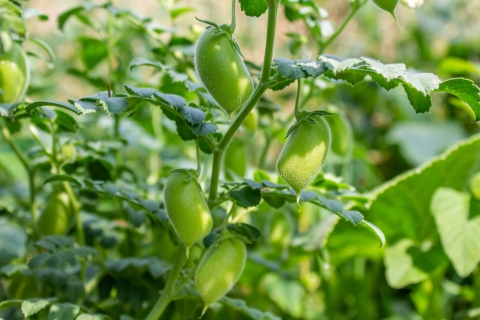
Rich in protein, chickpeas are used exclusively for human consumption. Sown between mid-December and mid-April and harvested between early July and late August, the crop is adapted to the Mediterranean climate and can withstand relatively high water stress. Like all seed legumes, chickpea is capable of fixing atmospheric nitrogen (if combined with its specific rhizobium) and requires no nitrogen fertilizer.
Tools
Find out more about our decision-support tools to help you during your campaign

Projects
Every year, Terres Inovia participates in or coordinates several national, European and international calls for projects on various themes.
-
Colza
Tournesol
Pois de printemps
Pois d'hiver
Pois chiche
Lentille
Soja
Chanvre
Féverole d'hiver
Féverole de printemps
Lin d'hiver
Lin de printemps
Lupin d'hiver
Lupin de printemps
Cameline
Biodiversité
Herbi1&NoPhy
Experimenting with agroecological systems for pesticide use as a last resort
Events
Our next chickpea events
-
Colza
Tournesol
Pois chiche
Lin d'hiver
Lin de printemps
Pois d'hiver
Pois de printemps
Lentille
Soja
Chanvre
Féverole d'hiver
Féverole de printemps
Lupin d'hiver
Lupin de printemps
Cameline
Maladies
Cultural assets
Diversifier son système de culture
Gérer son système de culture
Terres Inovia Technical Meeting 2026 - Blois (41)
-
Colza
Tournesol
Lin d'hiver
Lin de printemps
Pois d'hiver
Pois de printemps
Féverole d'hiver
Féverole de printemps
Lupin d'hiver
Lupin de printemps
Pois chiche
Maladies
Cultural assets
Diversifier son système de culture
Gérer son système de culture
Terres Inovia Technical Meeting 2026 - Central and Western Zone - Cloned
-
Pois d'hiver
Pois de printemps
Pois chiche
Lentille
Soja
Féverole de printemps
Féverole d'hiver
Lupin d'hiver
Lupin de printemps
Cap Protéines Challenge 5
Training
Develop your skills with the chickpea training courses designed and run by Terres Inovia experts.
Agronomic control of chickpea and lentil cultivation in the southwest of France
Sur devis
Optimization of crushing and mechanical extraction of oil-protein seeds
Sur devis
Editions
Terres Inovia can provide you with several technical publications on chickpeas.

Acta Phytosanitary Index 2024 (all crops)
Legumes - Reference book
Services
Building a localized supply chain
Terres Inovia can help you build a new, regionalized industry.From strategy to field…Fatty acids ISO s/seeds
Method used: NF EN ISO 17059 - NF EN ISO 12966-4Fungal strain on culture medium
Supply of mycelial growth on culture medium for the fungal species described below.Price: from…Pathological diagnosis on plant material
Diagnosis by macroscopic and microscopic observation, supplemented if necessary by molecular…
Have a question? Please contact us!
If you have any questions or thoughts about our research, initiatives or projects, please don't hesitate to write to us.
Log in to contact your regional contact
If you do not wish to create an account, please use the contact form.
Key figures
hectares
Benefits

Adapted to climate change
Chickpea is adapted to the Mediterranean climate and can withstand relatively high water stress.

A short cycle
Chickpea is a short-cycle crop, lasting between 6 and 7 months from sowing to harvest.

Excellent precedent
Chickpea is capable of fixing atmospheric nitrogen, enabling the following crop to benefit from it.
Growing guide
This comprehensive guide is divided into chapters covering everything you need to know about growing chickpeas: seeds, choosing the right plot, planting, inoculation, fertilization, weeding, harvesting and storage. It highlights the advantages of growing chickpeas and explains how to control the pests and diseases that affect them.
Myvar
Consult and choose your oilseed and protein crop varieties.

Weeds: characterization of sensitivity to ALS inhibitors
Research by molecular analysis (sequencing) of mutations in the acetolactate synthase gene conferring resistance to ALS-inhibiting herbicides in weed populations (wild sunflower, ragweed, ammi majus, poppy, orobanche ramosa, orobanche cumana, geranium dissectum, geranium columbinum, geranium rotundifolium, sanve, ravenelle).
For each population (1 population = 1 sampling site on a given date), 5 plants are analyzed. The results are transmitted in the form of a report.
These services may be of interest to you
Building a localized supply chain
Terres Inovia can help you build a new, regionalized industry.From strategy to field…Oilseed impurities
Method used: in-house methodOilseed impurities ISO
Method used: NF EN ISO 658Water content ISO oilseeds
Method used: NF EN ISO 665Would you like a quote?
Would you like to know more about this service or receive a quote? Send us your request!