

AdaptaCol²
The French Ministry of Agriculture and Food Sovereignty through the CASDAR fund as part of the Phosmet phase-out plan.
2 554 818,50€
36 months Oui NationalThe challenges
In recent years, rapeseed cultivation has been faced with a number of difficulties linked to insect infestations that are increasingly difficult to manage, combined with unfavorable planting conditions. In this context, winter flea beetles and terminal bud weevils, which are on the increase, have developed resistance to pyrethroids, the main insecticide family used to manage them. This technical impasse has led to the loss of rapeseed acreage, and the situation is likely to worsen with climate change and the end of authorization for phosmet. The aim of the project is therefore to identify and deploy new alternative strategies to combat these two pests. As these strategies are complex, it is essential to mobilize growers and the various development and research players involved, right from the design phase through to deployment.
The objectives
Adaptacol2, part of the phosmet phase-out plan, aims to provide farmers and agricultural technicians with integrated protection strategies that will enable them to limit the attacks and harmfulness of winter flea beetles and terminal bud weevils. To achieve this, research and development players (public and private research, development players, experimenters, agricultural advisors) are mobilizing to provide coordinated support for farmers in changing their practices.
Expected results
- Acquire technical references at different scales (trials, plot networks, territory), mobilizing development players as much as possible.
- Establishment of regional committees for regular exchanges between players, which will be progressively fed with the references and knowledge produced by Adaptacol2 and the other projects of the Phosmet Phase-out Plan.
The role of Terres Inovia

Coordinator
- Overall project management
- Mobilization of development players through six regional committees
- Acquiring knowledge and evaluating new levers in the field
- Supporting farmers in the robust rapeseed approach
Achievements and spin-offs
Do you have a question?
Contact our specialist who will respond promptly to your request.
Our partners
These projects may be of interest to you
Here are some other projects dealing with the same themes.
PLATOON
Towards better management of the cruciferous clubroot problem (Plasmodiophora brassicae): from knowledge of the pathogen to varietal evaluation
-
Colza
Tournesol
Pois de printemps
Pois d'hiver
Pois chiche
Lentille
Soja
Chanvre
Féverole d'hiver
Féverole de printemps
Lin d'hiver
Lin de printemps
Lupin d'hiver
Lupin de printemps
Cameline
Biodiversité
Herbi1&NoPhy
Experimenting with agroecological systems for pesticide use as a last resort
Decoproze
Demonstrator of a sustainable, zero-emission, protein-rich rapeseed production chain
ARPEGE
Structuring and developing sustainable agricultural sectors with regenerative agriculture
Céline Robert c.robert@terresinovia.fr
01 août 2022 S'adapter au changement climatique Terres Inovia En cours NonMyvar
Consult and choose your oilseed and protein crop varieties.

Rapeseed
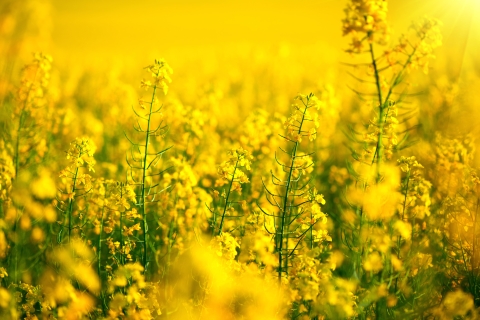
Rapeseed is an oilseed, a plant rich in both oil and vegetable protein, with a wide range of applications: human and animal food, plant chemistry and renewable energy. Sown in late summer and harvested in July, rapeseed covers the soil for around 300 days, reducing erosion. It breaks the cycle of cereal diseases and weeds in rotation, absorbs nitrogen in autumn, improves soil organic matter and is an attractive melliferous plant for pollinating insects, particularly bees. Planting is a key stage in the crop cycle, particularly for pest control (flea beetles, weevils).
Tools
Find out more about our decision-support tools to help you during your campaign
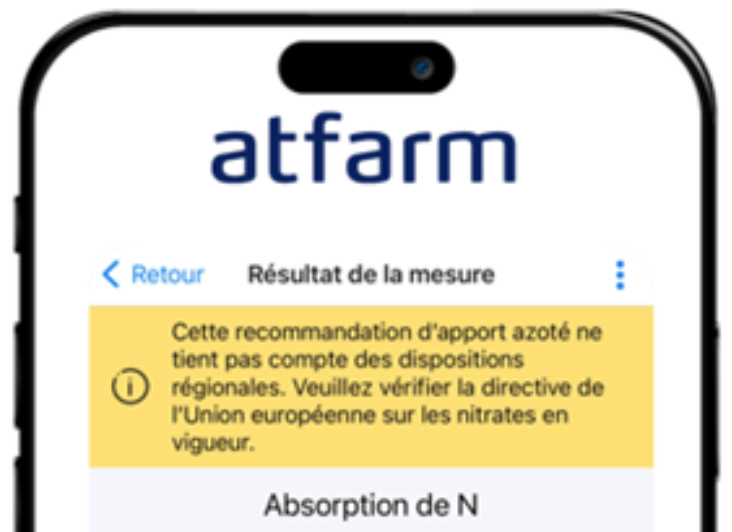
ImageIT (Yara)
Nitrogen
Estimating the risk of terminal bud weevils
Pests

Spring rapeseed regulator
Rapeseed elongation

Autumn rapeseed regulator
Rapeseed elongation
Projects
Every year, Terres Inovia participates in or coordinates several national, European and international calls for projects on various themes.
-
Colza
Tournesol
Pois de printemps
Pois d'hiver
Pois chiche
Lentille
Soja
Chanvre
Féverole d'hiver
Féverole de printemps
Lin d'hiver
Lin de printemps
Lupin d'hiver
Lupin de printemps
Cameline
Biodiversité
Herbi1&NoPhy
Experimenting with agroecological systems for pesticide use as a last resort
Project sheet
Towards carbon neutrality with farms
Lorem ipsum dolor sit amet, consectetur adipiscing elit. Sed non risus. Suspendisse lectus tortor, dignissim sit amet, adipiscing nec, ultricies sed, dolor. Cras elementum ultrices diam. Maecenas ligula massa, varius a, semper congue, euismod non, mi. Proin porttitor, orci nec nonummy molestie,…Events
Upcoming Lupin events
-
Colza
Tournesol
Pois chiche
Lin d'hiver
Lin de printemps
Pois d'hiver
Pois de printemps
Lentille
Soja
Chanvre
Féverole d'hiver
Féverole de printemps
Lupin d'hiver
Lupin de printemps
Cameline
Maladies
Cultural assets
Diversifier son système de culture
Gérer son système de culture
Terres Inovia Technical Meeting 2026 - Blois (41)
Training
Develop your skills with lupin training courses designed and run by Terres Inovia experts
Mastering camelina cultivation
Sur devis

Short-circuit production of edible oil
Sur devis
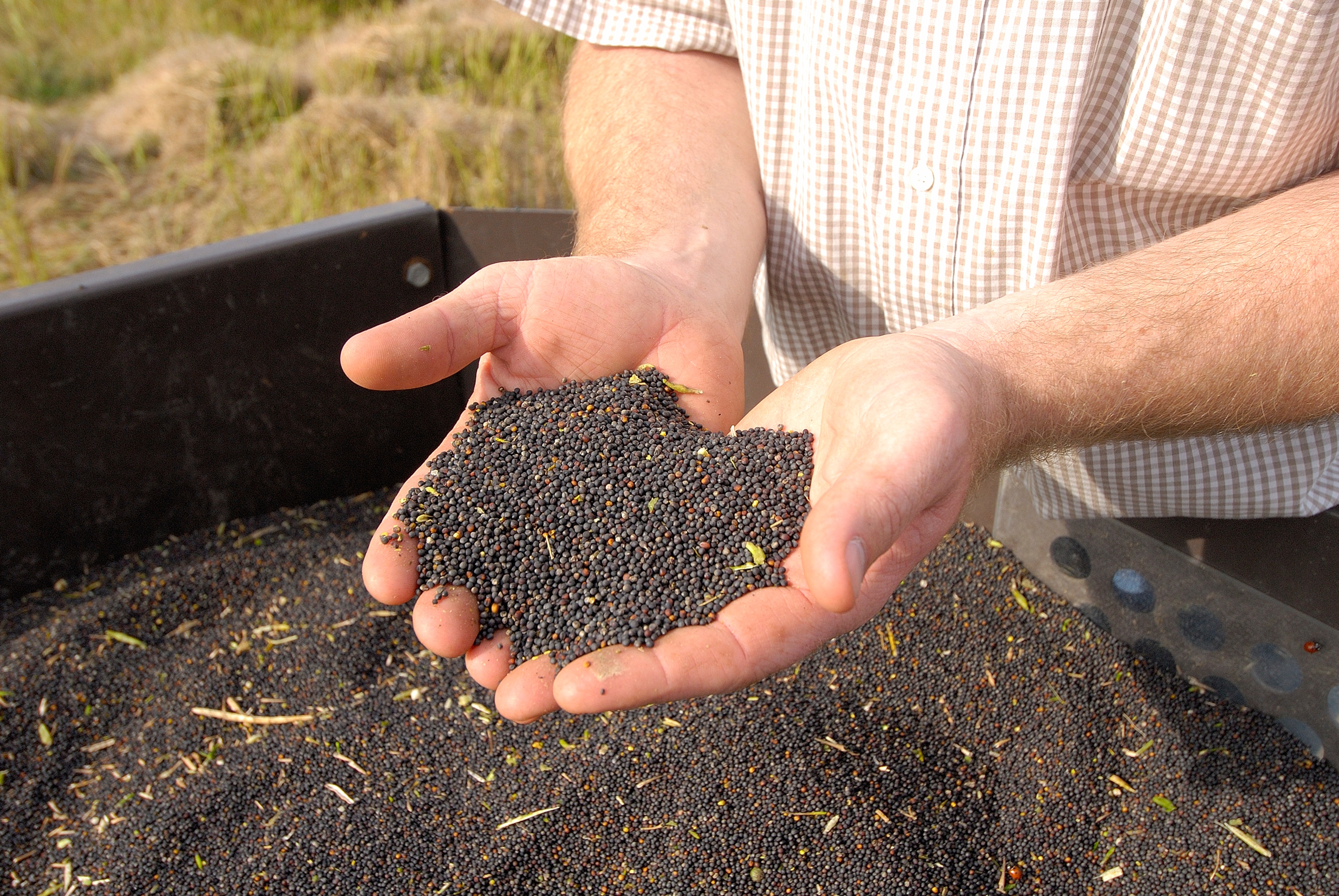
Optimization of crushing and mechanical extraction of oil-protein seeds
Sur devis
Editions

Diseases of rapeseed - Ref 418
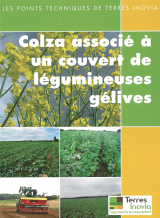
Rapeseed combined with gelatinous legumes

Acta Phytosanitary Index 2024 (all crops)
Services
Fatty acids ISO s/seeds
Method used: NF EN ISO 17059 - NF EN ISO 12966-4Fungal strain on culture medium
Supply of mycelial growth on culture medium for the fungal species described below.Price: from…Pathological diagnosis on plant material
Diagnosis by macroscopic and microscopic observation, supplemented if necessary by molecular…Weeds: characterization of sensitivity to ALS inhibitors
Research by molecular analysis (sequencing) of mutations in the acetolactate synthase gene…
Have a question? Please contact us!
If you have any questions or thoughts about our research, initiatives or projects, please don't hesitate to write to us.
Log in to contact your regional contact
If you do not wish to create an account, please use the contact form.
The benefits
The benefits

Numerous opportunities
Food and feed, plant chemistry and renewable energy sources

Cuts the disease cycle
Breaks the cycle of cereal diseases and weeds in rotation

Beneficial for all
absorbs nitrogen in autumn, improves soil organic matter and is attractive to pollinating insects

Reduces erosion
rapeseed covers the soil for around 300 days, reducing erosion
Key figures
hectares
National average
National average yields
domestic production
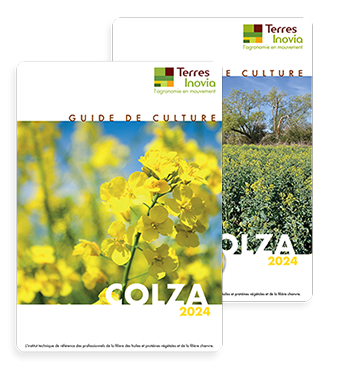
Our growing guides
In 12 chapters, you'll learn everything there is to know about this crop: varieties, planting, fertilization, regulators, weeding, harvesting and storage. This is also an opportunity to take stock of diseases and pests in autumn and spring.
Weeds: characterization of sensitivity to ALS inhibitors
Research by molecular analysis (sequencing) of mutations in the acetolactate synthase gene conferring resistance to ALS-inhibiting herbicides in weed populations (wild sunflower, ragweed, ammi majus, poppy, orobanche ramosa, orobanche cumana, geranium dissectum, geranium columbinum, geranium rotundifolium, sanve, ravenelle).
For each population (1 population = 1 sampling site on a given date), 5 plants are analyzed. The results are transmitted in the form of a report.
These services may be of interest to you
Building a localized supply chain
Terres Inovia can help you build a new, regionalized industry.From strategy to field…Oilseed impurities
Method used: in-house methodOilseed impurities ISO
Method used: NF EN ISO 658Water content ISO oilseeds
Method used: NF EN ISO 665Would you like a quote?
Would you like to know more about this service or receive a quote? Send us your request!