

Optimization of crushing and mechanical extraction of oil-protein seeds
Our other training courses
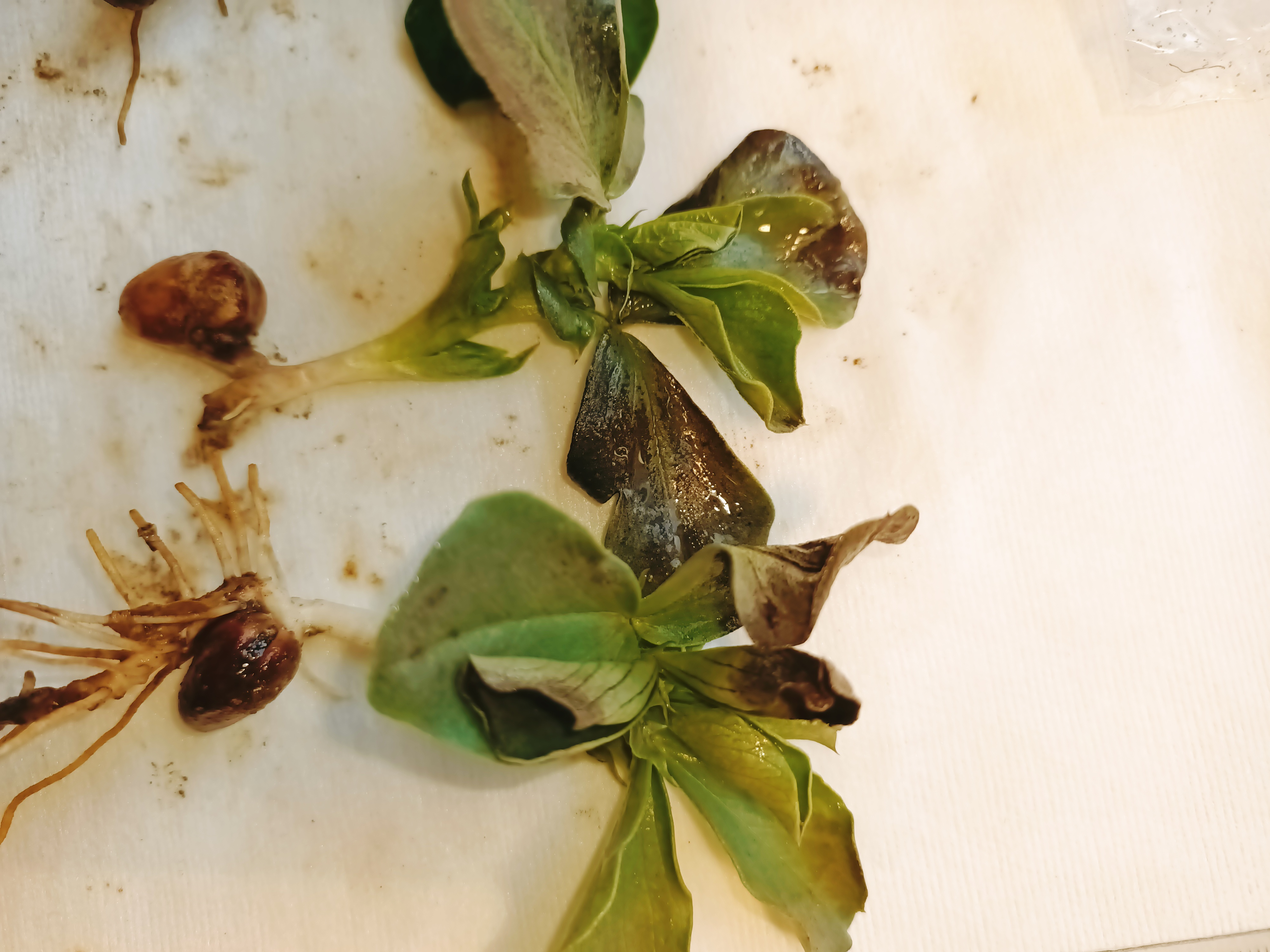
Peas, lupins and faba beans: diagnosing climatic accidents
Sur devis
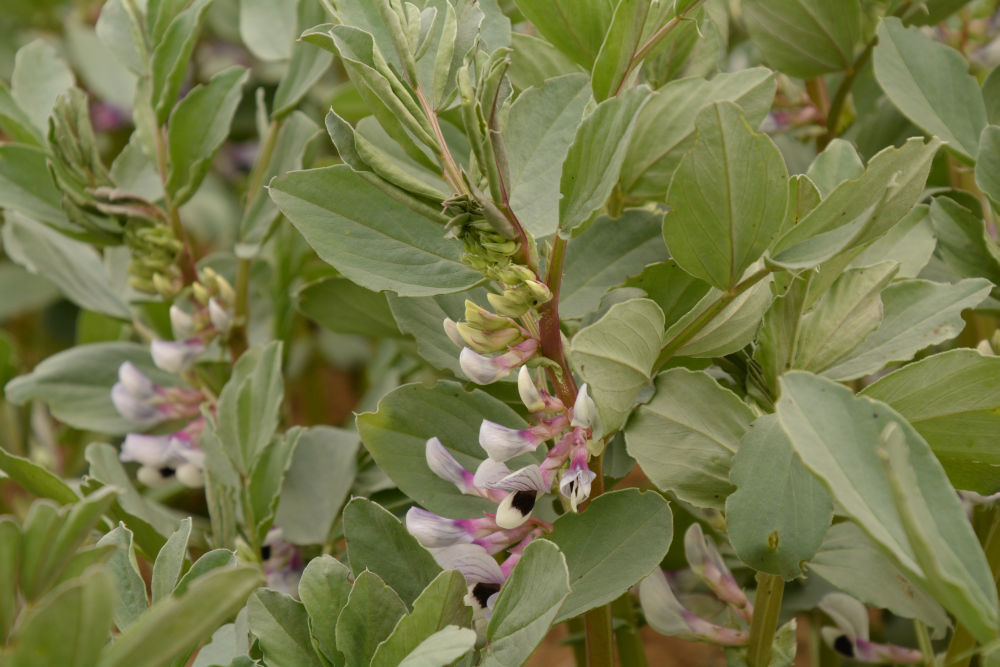
Mastering the cultivation of faba beans (winter & spring)
Sur devis
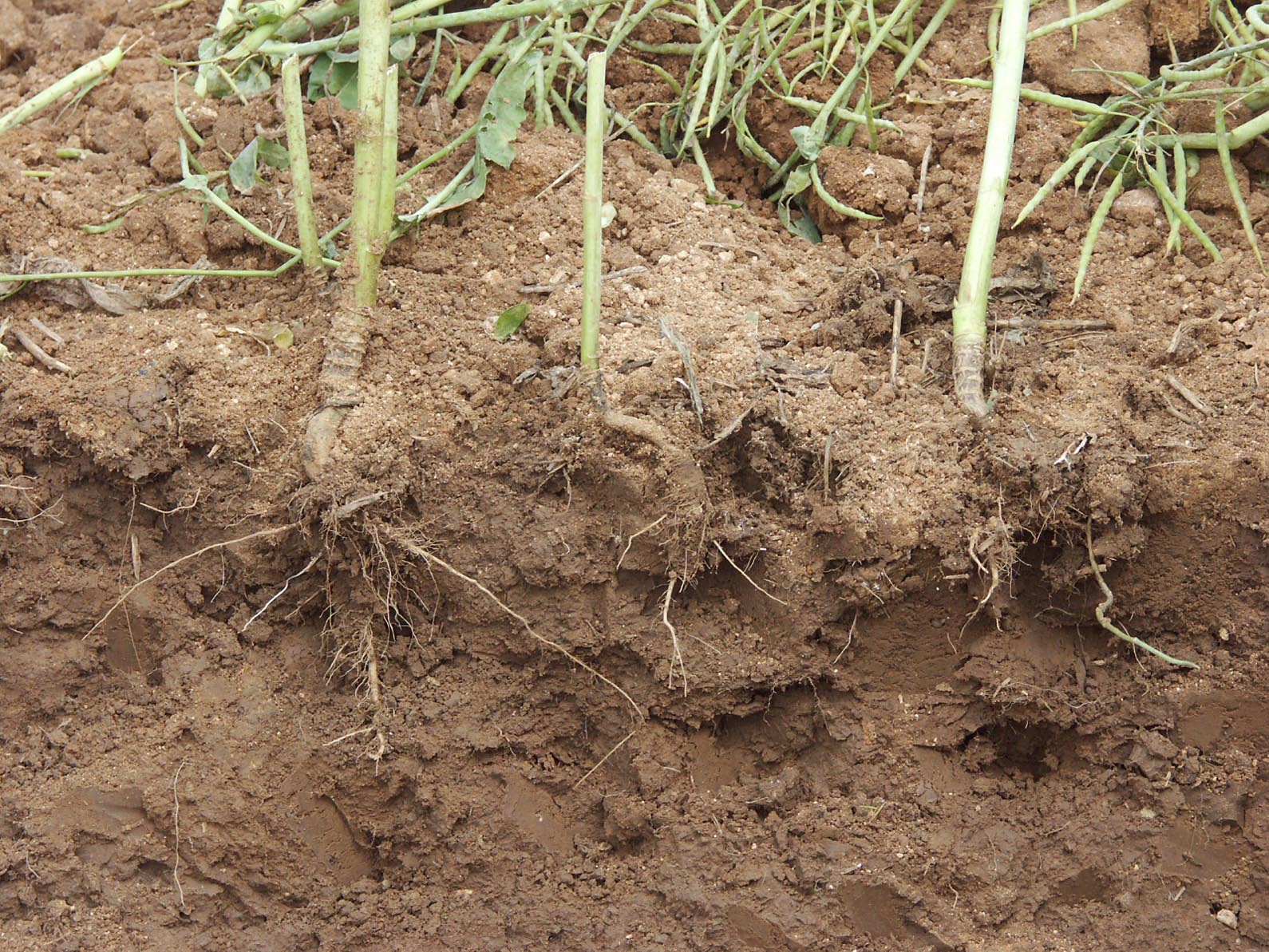
The spade test for successful crop establishment
Sur devis
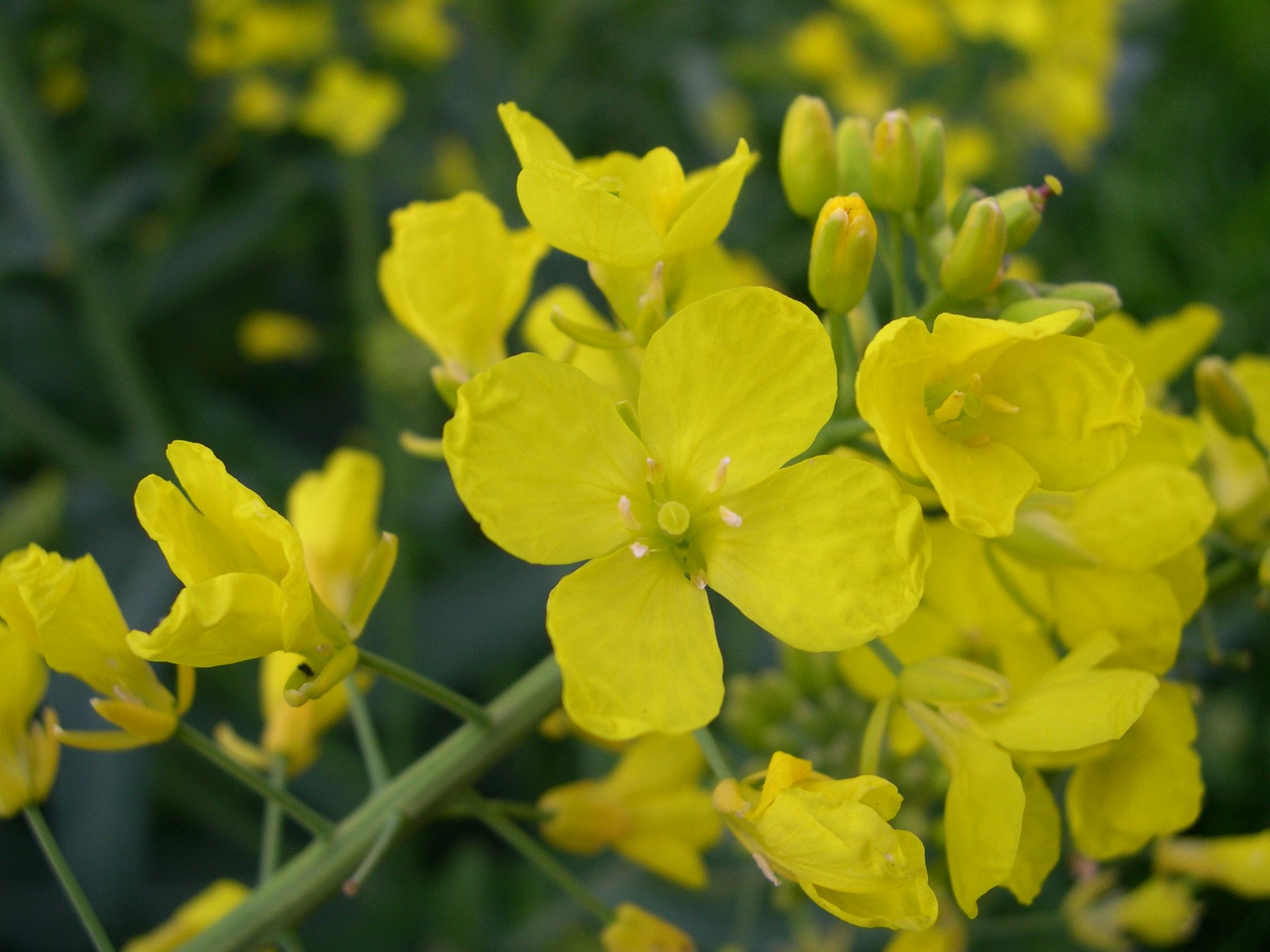
Rapeseed and agronomy: new strategies to meet new agri-environmental requirements
Sur devis

Training catalog
Discover all the field crop training courses offered by Arvalis and Terres Inovia.

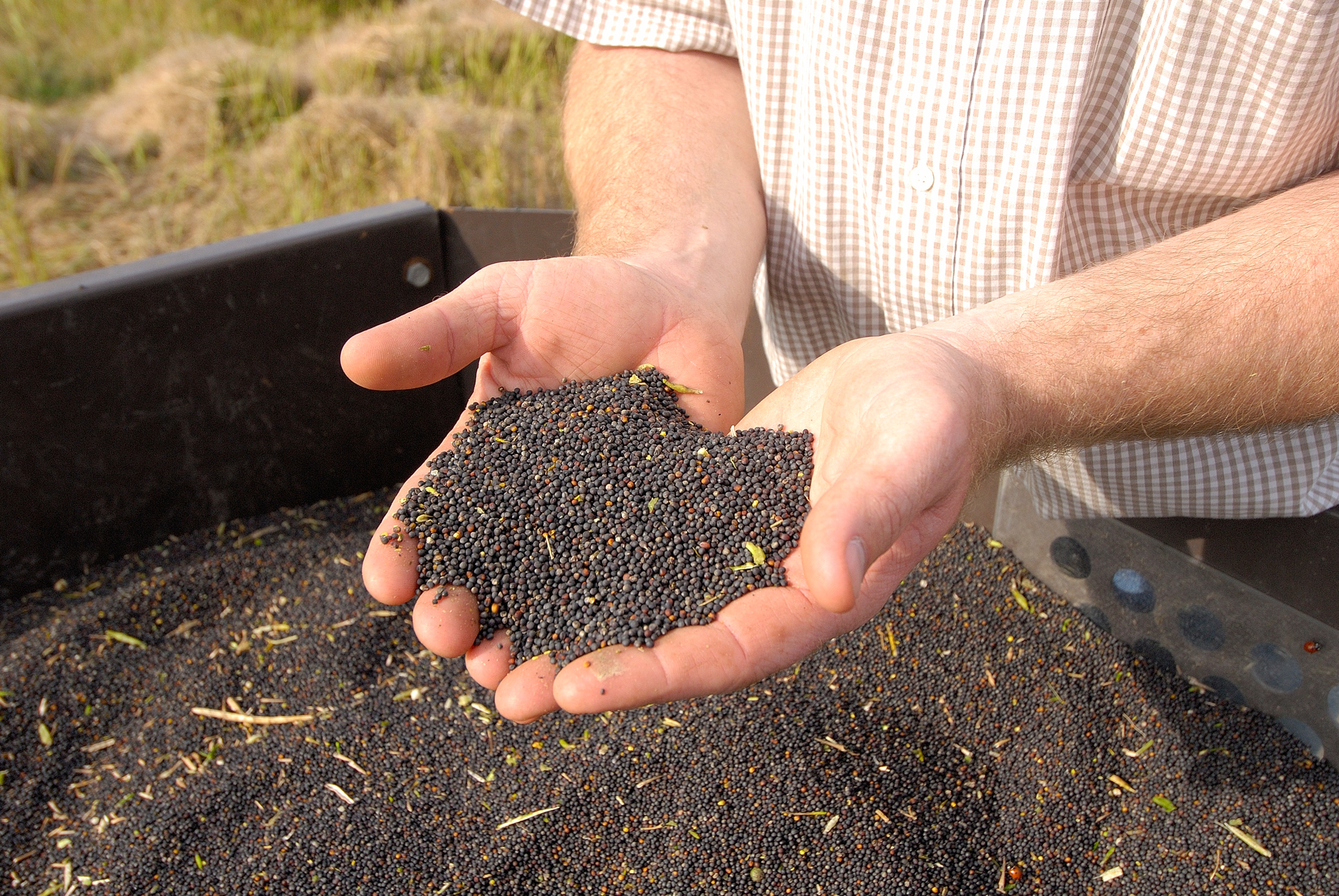
Improve your mastery of crushing processes and mechanical extraction of oil-protein seeds.
This course will enable you to analyze in detail the impact of process parameters on the chemical composition of oils (fatty acids, phospholipids, undesirables) and on the nutritional quality of oilcakes (digestibility, anti-nutritional factors). It incorporates the latest advances in mechanical extraction and proposes an applied approach to optimize de-oiling performance and meet the technical requirements of industrial sectors.
Program:
Day 1: Fundamentals and practices of mechanical oilseed extraction
- Oil chemistry: fatty acids, triglycerides, phospholipids, sterols and phytosterols, waxes. Properties, risks of deterioration
- General information on seeds & hulling with a focus on sunflower: hulling, variability of oil quality linked to growing conditions and varieties.
- Extraction mechanics: compression, filtration, viscosity, press geometry
- Workshop visit: press study, analysis tools, case studies
- Feedback & case studies
Day 2: Heat treatment, product quality and industrial optimization
- Mechanics of baking
- Importance of baking
- Heat treatments & Oil and cake quality
- Feedback & case studies
- Process optimization tools
At the end of the course, participants will be able to :
- Identify the main chemical and nutritional characteristics of oils derived from oilseeds
- Analyze the effects of crushing processes on oil and cake quality
- Explain the operation of mechanical extraction processes and their critical parameters
- Assess the suitability of processed products for end-users (animal nutrition, industry)
- Use numerical tools to simulate, predict and optimize production performance
Theoretical and technical input: detailed presentations of the fundamentals (oil chemistry, extraction mechanisms, critical parameters), illustrated by diagrams and scientific data.
Case studies and feedback: analysis of real industrial situations, sharing of best practices and discussion of solutions.
Hands-on workshop visit: observe equipment (presses, analysis tools), demonstrate processes, manipulate parameters and analyze results in real time.
Interactive exchanges: question-and-answer sessions, quizzes to validate acquired knowledge, debates between participants and trainer.
Presentation aids given to participants: paper or digital documents: presentations, diagrams, key data, bibliography.
Digital optimization tools : use of software (Excel, solver) to simulate and optimize processes.
Case studies: simulations of industrial problems, collective analysis of solutions.
Workshop visit: possibility of a half-day workshop visit to see the effects of controllable parameters on de-oiling performance.
Technical managers, crushing plant operators or managers, agro-industrial processing professionals, R&D engineers, process technicians. End-of-session quiz, Q&A, individual satisfaction survey, self-positioningIf you have any requests for adaptations to help you succeed in your course, please contact the disability referent:
Christel CARO
Tel: 01 30 79 95 09
Mail: formation@terresinovia.fr
Aucun 960€ TTC 5 15 https://public.dendreo.com/4rsx27tf4npws6tp4zAwc/media/lb2dgnchlbyA786k4zvhkAcvjy5gyvczlj22y6tkgzmcwzrwmf6gq6byljb2gmlwpjdhgpj5hj22qz5ylbAAA7sz4qxtssjtnj2w9q6fgjrAcpj8 2 Jours Patrick CARRE 48 Inter-company and intra-companyINSERT THEM
ANR (France 2030, "Legume proteins" action)
7 800 000€
48 months Non NationalLes enjeux
Les légumineuses sont des cultures essentielles pour contribuer à une agriculture durable et renforcer l’autonomie protéique en France et en Europe. Pourtant, elles ne représentent que 2 % de la superficie des cultures arables dans l'agriculture européenne, contre environ 15 % dans le monde entier. Or, pour augmenter les surfaces de légumineuses à graines et lever le verrou socio-technique autour de ces espèces, il est nécessaire de mener des actions et des innovations coordonnées sur toute la chaîne, de l’amont à l’aval de la production.
INSEREZ-LES fait partie des projets lauréats de l’appel à projets de 2023 « Développer les protéines végétales et diversifier les sources de protéines » de la Stratégie nationale « Alimentation durable et favorable à la santé » du 4ème Programme d’Investissement d’Avenir. Il veut ainsi contribuer à dépasser les obstacles à l’adoption des légumineuses à graines en proposant une dynamique d’action collective dans une perspective centrée sur l’agriculteur.
Les objectifs
Ce projet ambitieux, centré sur l’agriculteur, veut faciliter les innovations à toutes les échelles : agronomique, variétale, technologique, économique et sociétale. Son objectif est de développer une offre compétitive de protéines de légumineuses pour améliorer l’autonomie alimentaire des élevages et élargir l’offre locale pour l’alimentation humaine.
Expected results
- Create economic value for farmers through short circuits for the valorization of plant proteins for human consumption;
- Promote the inclusion of legumes in cropping systems by providing farmers with the information they need (outlets, interest in economic terms and in terms of ecosystem services, list of crops suited to their conditions);
- Define the conditions required for successful legume crops today and in the near future in a context of climate change, and produce innovations to enhance the robustness of legumes;
- Improve yield stability on the farm by better characterizing varietal innovations and guiding farmers in their choice and deployment strategies;
- Analyze the socio-economic conditions for sharing knowledge and value within value chains, and create added value through payments for environmental services.
Le rôle de Terres Inovia

Coordinateur
Terres Inovia coordonne ce projet.
Les réalisations et retombées
Do you have a question?
Contact our specialist who will respond promptly to your request.
These projects may be of interest to you
Here are some other projects dealing with the same themes.
Opening Occitanie
- Supporting the agro-ecological transition of 30 farms in Occitania
-
Colza
Pois d'hiver
Tournesol
Pois de printemps
Soja
Féverole d'hiver
Féverole de printemps
Lentille
Pois chiche
Lin d'hiver
Lin de printemps
Lupin d'hiver
Lupin de printemps
Cameline
Chanvre
Ravageurs
Fertilité et gestion durable des sols
CONCERTO
Concerted agro-ecological management of insect pests in field crops
Myco-Risk
Creation of a risk grid for Mycosphaerella in rapeseed
-
Colza
Tournesol
Pois d'hiver
Pois de printemps
Soja
Féverole d'hiver
Féverole de printemps
Lentille
Pois chiche
Lin d'hiver
Lin de printemps
Lupin d'hiver
Lupin de printemps
Cameline
Chanvre
Job opportunities
M2ProLIV
Towards multi-functional protein ingredients obtained by moderate processing of lipid-rich plant co-products with health benefits
Anne Schneider a.schneider@terresinovia.fr
01 janvier 2024 Renforcer la souveraineté en huiles et protéines Terres Inovia En coursClieNFarms
GreenDeal Europe
13,500,000€ (of which €1,200,000 funded by the EU)
48 months Oui Européen
The challenges
In support of the Green Deal for Europe, the project aims to innovate and engage stakeholders in the agricultural world to support the transition of agriculture and strengthen efforts to mitigate climate change. To reduce greenhouse gas emissions by at least 50% by 2050 and increase carbon sequestration in agricultural soils, a strong systemic approach is needed. The challenge is to develop, co-design and scale up systemic and locally relevant solutions to promote climate-neutral and resilient European agriculture.
The project is coordinated by INRAE and brings together 33 partners, including Acta (representing Terres Inovia, Institut de l'élevage and Arvalis) and private companies (Nestlé, Danone and EDF).
The objectives
ClieNFarms is a European project that aims to reduce greenhouse gas (GHG) emissions from the agricultural sector, starting from the farm scale and crossing it with the sector and territory scales. The aim is to achieve a GHG reduction of at least 50% by 2050, so that the agricultural sector can contribute to achieving carbon neutrality in the region (i.e., not emitting more emissions into the air than can be offset by sequestration via forests, agricultural soils or other means).
The project supports farmers in their efforts to reduce emissions and store more carbon in the soil to offset residual emissions as far as possible.
Expected results
- Setting up stakeholder dynamics in territorial case studies
Innovative systemic solutions for climate change mitigation are tested in some twenty territorial case studies across Europe (including 5 in France, with 2 in field crop systems), and assessed using modeling approaches and multi-criteria evaluations.
These territorial case studies (christened I3S for "innovative systemic solution space") will cover the diversity of production systems (crops, livestock, dairy products, special crops, etc.) and geographical situations (from East to West and North to South Europe, as well as New Zealand).
Each territorial case is then organized around a demonstration farm for more precise measurements, around 10 pilot farms to implement mitigation levers in agricultural situations, and around 100 neighboring farms to raise awareness through information dissemination actions (visits, surveys, documents).
On this basis, a "creative arena" of the territorial case aims to bring together other players in the area's sector in order to accelerate and facilitate farmers' efforts.
- Exchanging knowledge and references on mitigation levers and support tools
- Avenues for scaling up mitigation efforts, for massification on a territorial or sectoral scale, or for facilitating carbon markets.
- Messages to, and exchanges with, other R&D groups or national or European policy bodies on the subject of mitigation.
The role of Terres Inovia

Partner
In the ClieNFarms project, Terres Inovia is represented by Acta. The Institute is coordinating a territorial case study (I3S) in northeastern France for field crops, which includes the territorial massification study. It contributes to inter-country coordination on mitigation levers for the field crop sector, and participates in communication and networking initiatives.
Achievements and spin-offs
Do you have a question?
Contact our specialist who will respond promptly to your request.
Our partners
- INRAE
- Agacal
- Agrisearch Limited
- Agricircle AG
- ACTA
- Berner Fachhochshule
- Bioforum
- BioSense Institute
- Center wallon de Recherches agronomiques
- Climate Kic holding BV
- CEA
- CONSULAI
- Dantrade BV
- ENSFEA
- EDF
- FC CV
- FiBL
- GWCT
- IBNA
- IFOAM Organics Europe
- JLU
- Massey University
- Nestlé France
- Nestlé UK Ltd
- Nestle Ukraine LLC
- Nestlé Suisse SA
- Nutrifarms
- Stichting Wageningen Research
- Teagasc
- The University Court of the University of Aberdeen
- Universita Cattolica del Sacro Cuore
- University of Leeds
These projects may be of interest to you
Here are some other projects dealing with the same themes.
Opening Occitanie
- Supporting the agro-ecological transition of 30 farms in Occitania
-
Colza
Pois d'hiver
Tournesol
Pois de printemps
Soja
Féverole d'hiver
Féverole de printemps
Lentille
Pois chiche
Lin d'hiver
Lin de printemps
Lupin d'hiver
Lupin de printemps
Cameline
Chanvre
Ravageurs
Fertilité et gestion durable des sols
CONCERTO
Concerted agro-ecological management of insect pests in field crops
Myco-Risk
Creation of a risk grid for Mycosphaerella in rapeseed
-
Colza
Tournesol
Pois d'hiver
Pois de printemps
Soja
Féverole d'hiver
Féverole de printemps
Lentille
Pois chiche
Lin d'hiver
Lin de printemps
Lupin d'hiver
Lupin de printemps
Cameline
Chanvre
Job opportunities
M2ProLIV
Towards multi-functional protein ingredients obtained by moderate processing of lipid-rich plant co-products with health benefits
Anne Schneider a.schneider@terresinovia.fr
01 janvier 2022 Renforcer la souveraineté en huiles et protéines INRAE En coursWinter lupin
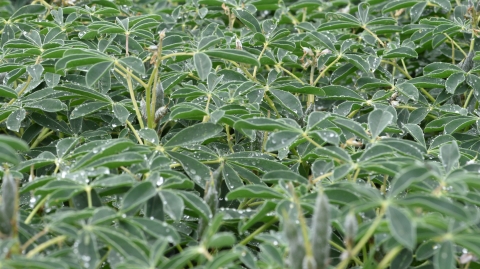
Rich in proteins and fats, lupins are used in animal and human nutrition. As a legume capable of fixing atmospheric nitrogen, it requires no nitrogen fertilizer. An excellent preceding crop for the following cereal, lupin improves soil structure, breaks the cycle of bio-aggressors and provides nitrogen. Winter lupins, sown in September/October and harvested in July/August, allow you to spread out the work on the farm. Lupins are not sensitive to aphanomyces and lend themselves well to organic farming.
Tools
Find out more about our decision-support tools to help you during your campaign

Projects
Every year, Terres Inovia participates in or coordinates several national, European and international calls for projects on various themes.
-
Colza
Pois d'hiver
Tournesol
Pois de printemps
Soja
Féverole d'hiver
Féverole de printemps
Lentille
Pois chiche
Lin d'hiver
Lin de printemps
Lupin d'hiver
Lupin de printemps
Cameline
Chanvre
Ravageurs
Fertilité et gestion durable des sols
CONCERTO
Concerted agro-ecological management of insect pests in field crops
-
Colza
Tournesol
Pois d'hiver
Pois de printemps
Soja
Féverole d'hiver
Féverole de printemps
Lentille
Pois chiche
Lin d'hiver
Lin de printemps
Lupin d'hiver
Lupin de printemps
Cameline
Chanvre
Job opportunities
M2ProLIV
Towards multi-functional protein ingredients obtained by moderate processing of lipid-rich plant co-products with health benefits
-
Colza
Pois d'hiver
Tournesol
Pois de printemps
Féverole d'hiver
Soja
Féverole de printemps
Lentille
Pois chiche
Lin de printemps
Lin d'hiver
Lupin d'hiver
Lupin de printemps
Cameline
Chanvre
Produire avec l’agroécologie
TwinFarms
Deploying digital twins at farm level to foster agro-ecological innovation
Project sheet
Towards carbon neutrality with farms
Lorem ipsum dolor sit amet, consectetur adipiscing elit. Sed non risus. Suspendisse lectus tortor, dignissim sit amet, adipiscing nec, ultricies sed, dolor. Cras elementum ultrices diam. Maecenas ligula massa, varius a, semper congue, euismod non, mi. Proin porttitor, orci nec nonummy molestie,…Events
Upcoming cameline events
-
Colza
Tournesol
Pois d'hiver
Pois de printemps
Soja
Féverole d'hiver
Féverole de printemps
Lentille
Pois chiche
Lin d'hiver
Lin de printemps
Lupin d'hiver
Cameline
Lupin de printemps
Chanvre
International Agricultural Show 2026
-
Colza
Tournesol
Pois d'hiver
Pois de printemps
Soja
Féverole de printemps
Féverole d'hiver
Lentille
Pois chiche
Lin d'hiver
Lin de printemps
Lupin d'hiver
Lupin de printemps
Cameline
Chanvre
Enhancing protein sovereignty through training: the Formidable Protéine 2 project
Training
Develop your skills with lupin training courses designed and run by Terres Inovia experts
Optimization of crushing and mechanical extraction of oil-protein seeds
Sur devis
Editions
Terres Inovia can provide you with several technical publications on camelina.

Acta Phytosanitary Index 2024 (all crops)
Weed control in cereal and oilseed systems
Services
Fatty acids ISO s/seeds
Method used: NF EN ISO 17059 - NF EN ISO 12966-4Fungal strain on culture medium
Supply of mycelial growth on culture medium for the fungal species described below.Price: from…Pathological diagnosis on plant material
Diagnosis by macroscopic and microscopic observation, supplemented if necessary by molecular…Weeds: characterization of sensitivity to ALS inhibitors
Research by molecular analysis (sequencing) of mutations in the acetolactate synthase gene…
Have a question? Please contact us!
If you have any questions or thoughts about our research, initiatives or projects, please don't hesitate to write to us.
Log in to contact your regional contact
If you do not wish to create an account, please use the contact form.
Key figures
hectares in France (2024)
average yield in France (2024)
Benefits

Multiple outlets
Mainly used in animal feed, human food is also growing rapidly.

Controller
It diversifies crop rotations and breaks the cycle of pests and diseases in other crops.

Excellent precedent
Lupin can fix atmospheric nitrogen, leaving nitrogen for the following crop.
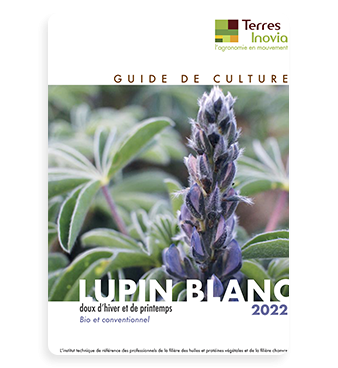
Growing guide
Organized into nine thematic chapters, this guide provides everything you need to know about growing winter and spring lupins: varieties, inoculation, planting, fertilization, weeding, harvesting and storage. The guide presents the advantages of this key crop, which contributes to plant protein sovereignty, and reviews the means of controlling the diseases and pests that affect it.
Myvar
Consult and choose your oilseed and protein crop varieties.

Weeds: characterization of sensitivity to ALS inhibitors
Research by molecular analysis (sequencing) of mutations in the acetolactate synthase gene conferring resistance to ALS-inhibiting herbicides in weed populations (wild sunflower, ragweed, ammi majus, poppy, orobanche ramosa, orobanche cumana, geranium dissectum, geranium columbinum, geranium rotundifolium, sanve, ravenelle).
For each population (1 population = 1 sampling site on a given date), 5 plants are analyzed. The results are transmitted in the form of a report.
These services may be of interest to you
Building a localized supply chain
Terres Inovia can help you build a new, regionalized industry.From strategy to field…Oilseed impurities
Method used: in-house methodOilseed impurities ISO
Method used: NF EN ISO 658Water content ISO oilseeds
Method used: NF EN ISO 665Would you like a quote?
Would you like to know more about this service or receive a quote? Send us your request!