
Soya: a strategic crop for sustainable systems
Our other training courses
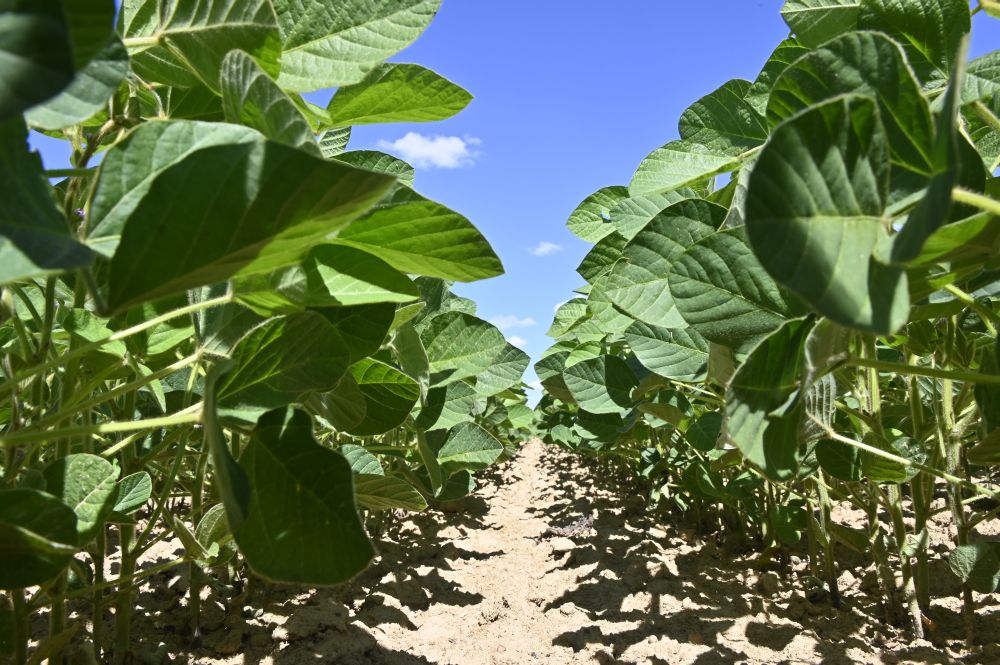
Growing soybeans successfully in the South-West
Sur devis
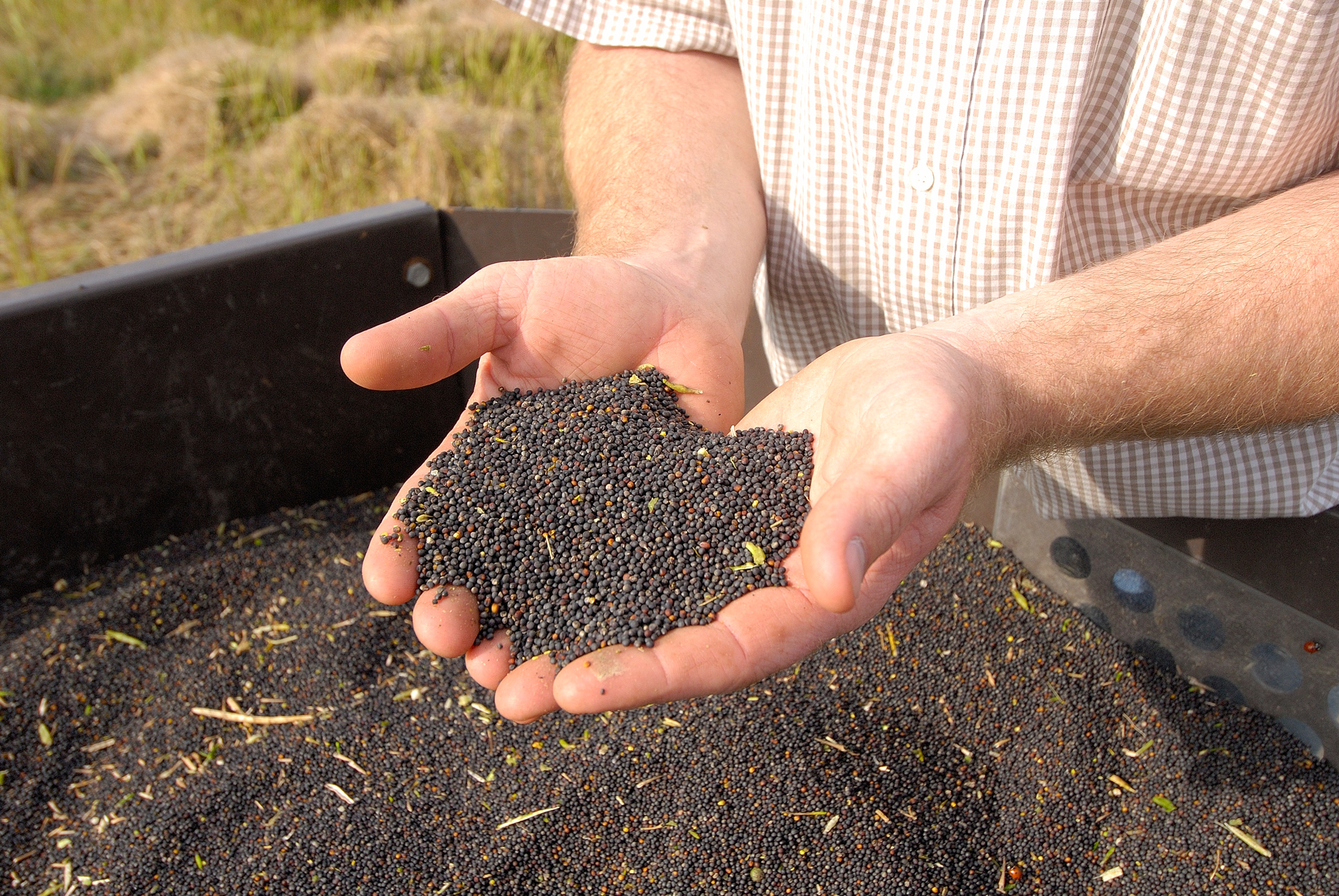
Optimization of crushing and mechanical extraction of oil-protein seeds
Sur devis
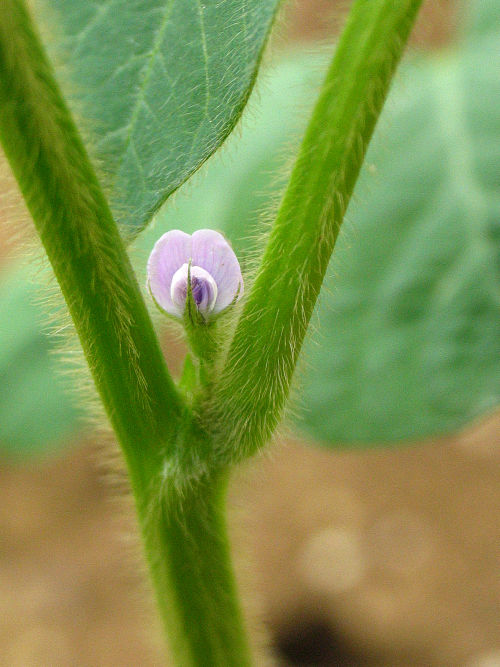
Soybeans: Diagnosing climatic accidents
Sur devis
Soya, a crop of the future to be mastered!
In a context of agro-ecological transition, soybeans are back in the spotlight thanks to their low input requirements and varied outlets. Boosted by regulatory and economic support (protein plan, MAEC, SIE...), this crop offers real opportunities in both conventional and organic farming. This training course will provide you with a comprehensive, practical technical approach to successfully manage each stage of the crop, secure your yields and make the most of your production.
The program includes
1 Plant and canopy functioning:
- Key aspects of soybean physiology and phenology
- Highlighting levers for improving yields
2 - Cultural management and associated decision-making rules:
- Planting
- Weed management
- Crop protection
- Water management
- Harvest control
3 Diagnosis of major accidents :
- Recognition of soybean pests
- Identification of root and leaf diseases
- Frequent climatic accidents
4 Approach to organic crop management
5 Soybeans in catch crops: a few indicators
At the end of the course, participants will be able to :
- Understand how plants function
- Analyze the factors influencing yield and the technical levers for optimization
- Recommend key cultivation techniques for successful soybean cultivation
- Implement good harvesting practices
- Detect and diagnose major crop failures (pests, diseases, abiotic stresses)
- Adapt crop management to the specificities of organic farming
Face-to-face format (1 day) :
-
Theoretical input via illustrated presentations and case studies.
-
Interactive exchanges between participants and trainers to share experiences and questions.
Active methods: Presentations, case studies, debates, questions and answers.
Evaluation: Quiz, Q&A, individual satisfaction survey, self-assessment.
Theoretical support: Lectures, presentations, written material given to participants.
Case studies: Feedback from the field to illustrate best practices and solutions.
Exchange of practices: Discussions and sharing between trainees and trainers.
Agricultural technicians and advisors, Farmers and producers, Agricultural teachers and trainers, Agronomic and technical sales managers in agricultural distribution, Agri-food / processing industry players Quiz, Q&A, individual satisfaction survey, self-positioning.If you have any requests for adaptations to help you succeed in your course, please contact the disability referent:
Christel CARO
Tel: 01 30 79 95 09
Mail: formation@terresinovia.fr
Aucun 480€ TTC 5 15 https://public.dendreo.com/4rsx27tf4npws6tp4zAwc/media/hbjx4nt34fAg5zdd3vdfs5c3g2vA366pj1vv2vbpm8wx2t5xjbdvczkfgn5xc6dmnfsvcpj5hjgfmrdg3f6x3Ads4bngsk6hjy6fgmjwpfd2cpj8 1 Jour 44 Inter-company and intra-companyThe basics of rapeseed cultivation
Our other training courses
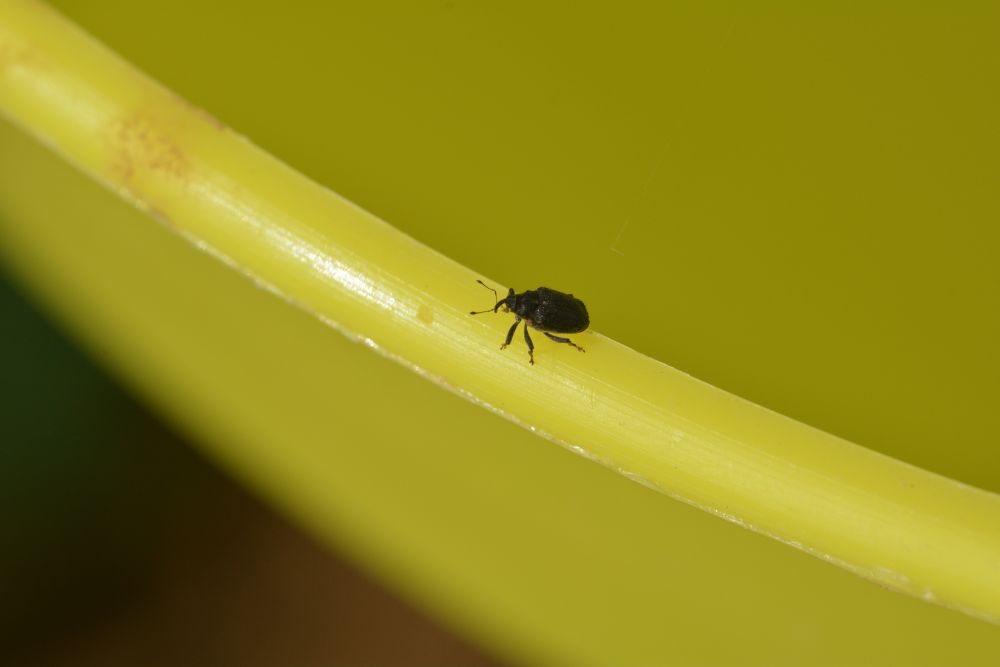
Managing insect pests in oilseed rape: towards new collective and regional approaches
Sur devis
Dare to use cover crops in your cropping systems
Sur devis
Short-circuit production of edible oil
Sur devis
Optimization of crushing and mechanical extraction of oil-protein seeds
Sur devis
As rapeseed evolves, so does your knowledge!
With the rapid evolution of varieties, technical itineraries and decision-making tools, this training course offers a complete update on how to optimize rapeseed cultivation. Whether you're an experienced technician or a beginner, you'll discover the keys to success: genetic innovations, high-performance agronomic levers and benchmarks for making the right decisions at every stage of the campaign.
Day program :
- Yield development diagram and yield components
- Influence of different cultivation techniques
- Results of trials and surveys
- Main cropping decisions and decision rules
At the end of the course, participants will be able to:
- Identify rapeseed yield components and how they are determined
- Analyze the impact of cultivation practices on crop performance
- Select the varieties and inputs best suited to their soil and climate conditions and production objectives
- Adapt technical itineraries according to development stages and conditions encountered
- Make informed decisions throughout the growing season, based on technical, economic and agronomic data.
Active teaching methods: Technical presentations, case studies, feedback, alternating between theoretical input and feedback from field experience.
Evaluation: End-of-session quiz, questions and answers, individual satisfaction survey, self-assessment.
Theoretical support: Lectures, presentations, written material given to participants.
Exchange of practices: Feedback and debates between participants and trainers.
Interactivity: Quizzes, questions and answers, live exchanges with trainers.
Digital supports: Presentations and resources handed out after each session.
Technicians from development, economic organizations and the agri-supply industry. Teachers End-of-session quiz, Q&A, individual satisfaction survey, self-assessment.If you have any requests for adaptations to help you succeed in your course, please contact the disability referent:
Christel CARO
Tel: 01 30 79 95 09
Mail: formation@terresinovia.fr
Aucun 480€ TTC 5 15 https://public.dendreo.com/4rsx27tf4npws6tp4zAwc/media/gvhtcAdgnndxqAlgg8vAks6n3j6fg9tsj8vg4kzpmnxf4qk2gfhtmAsqkbyg5yzz4zcAspj5hjyAg9k5hbAg4sttlb3A4v544ncAwtcrljvAcpj8 1 Jour 40 Inter-company and intra-companySUN'Live: The essentials of sunflower management in 7 sequences
Our other training courses
Dare to use cover crops in your cropping systems
Sur devis
Short-circuit production of edible oil
Sur devis
Mastering sunflower cultivation
Sur devis
Optimization of crushing and mechanical extraction of oil-protein seeds
Sur devis
Would you like to learn more about sunflower cultivation? SUN live is a distance learning course featuring 7 sequences led by Terres Inovia experts, covering the key practices and moments essential to sunflower success. It is designed to enable you to master the fundamental aspects of the crop, whether this is your first discovery or a refresher course.
The program includes
Sequence 1: Planting and pests
- Management of intercropping (including cover crops) prior to sunflower cultivation.
- Techniques for successfully establishing a robust sunflower crop in the face of summer constraints.
- Encourage uniform planting and deep rooting.
- Identification of early-cycle pests, assessment of their harmfulness, and presentation of possible control methods.
Sequence 2: Positioning in crop rotation and economic assessment
- Agro-economic characteristics of the sunflower species: a robustness conditioned by careful and optimized cultivation.
- Optimizing sunflower's place in rotations
- What economic impact does sunflower have on cropping systems?
Sequence 3: Weed control
- Complementarity between agronomic, chemical and mechanical solutions
- Presentation of herbicide solutions and programs
- Targets, spectrum, efficacy, selectivity and conditions of use of the main herbicides for sunflower.
Sequence 4: Fertilization
- Specificities of sunflower with regard to nitrogen supply and calculating the dose to be applied
- Rationale for phospho-potassium fertilization
- Sunflower needs in trace elements; focus on boron and molybdenum
Sequence 5: Harvesting and production quality
- Choosing the right time to harvest.
- Presentation of suitable harvesting equipment.
- Good conservation and storage practices.
Sequence 6: Ecophysiology and water efficiency
- Distribution of water requirements throughout the cycle.
- Importance of early-flowering leaf area index and leaf area duration.
- Irrigating sunflowers: an opportunity to be seized.
- Identification of key periods in the cycle and climatic requirements for each growth stage.
- Factors influencing yield and oil content.
Sequence 7: Diseases and cumana broomrape
- Recognition of the main diseases, biological cycle, harmfulness, protection methods, warning and decision-making tools.
- Orobanche cumana: recognition, harmfulness, monitoring and management of affected areas in France
At the end of the course, participants will be able to :
- Identify the key stages of the crop, from planting to harvest, and evaluate their success.
- Diagnose the main problems affecting sunflower cultivation.
- Understand and use decision-making tools to help the crop reach its full potential and maximize profitability.
100% digital format: Remote training, accessible from any connected computer.
Active pedagogy: Technical presentations, case studies, feedback, analysis of real-life situations.
Evaluation: Quiz at each session, Q&A, individual satisfaction survey, self-assessment.
Online sessions: 7 sequences of 2 hours on Teams, led by Terres Inovia expert engineers.
Theoretical support: Technical presentations, summary documents, decision-making tools (e.g. fertilization calculations, pest and disease identification grids).
Interactivity: Quizzes, live questions and answers, exchanges with trainers and participants.
Digital support: Presentations and resources handed over after each session.
Technicians from development, economic and agri-supply organizations. Farmers. Teachers Quiz at each session, Q&A, individual satisfaction survey, self-positioningIf you have any requests for adaptations to help you succeed in your course, please contact the disability referent:
Christel CARO
Tel: 01 30 79 95 09
Mail: formation@terresinovia.fr
Aucun 960€ TTC 5 15 https://public.dendreo.com/4rsx27tf4npws6tp4zAwc/media/4vjvAl6wk8mhs76Am85vm6kqgvct15dt3rAhgnl3kj7A7wk2krvfgrrAjbdvqwclg8kAspj5hjhxkztppbsdc7lzjnmwc56pjbhfkz6qmz3Acpj8 7 Jours 29 Inter-company and intra-companyCOLZA'Live: Understanding rapeseed crop management in 7 sequences
Our other training courses
Managing insect pests in oilseed rape: towards new collective and regional approaches
Sur devis
Dare to use cover crops in your cropping systems
Sur devis
Short-circuit production of edible oil
Sur devis
The basics of rapeseed cultivation
Sur devis
Whether you're a beginner or want to update your knowledge, COLZA Live training offers you a complete understanding of rapeseed growing. Thanks to 7 short, interactive sequences, led by experts, you can acquire the essential skills to optimize your farming practices, all in digital format.
Program:
Sequence 1: Introduction to the crop and planting (April 7, 2026, 9 to 11 a.m.)
- Global context of rapeseed cultivation and associated agricultural issues
- Identification of stages in the rapeseed crop cycle and phenological stages.
- The challenges of rapeseed establishment, the benefits of a robust rapeseed and the key conditions to be achieved, the keys to choosing the optimum establishment techniques depending on the context.
Sequence 2: Fertilization (April 8, 2026, 9 a.m. to 11 a.m.)
- Rapeseed specificities with regard to nitrogen supply
- Calculation of spring nitrogen dose (Réglette azote colza®) and choice of fractioning strategy
- Rationalization of phosphate, potassium and sulfur fertilization
- Rapeseed needs in trace elements; focus on boron and molybdenum
Sequence 3: Weed control (April 10, 2026, 9 a.m. to 11 a.m.)
- Description of the main agronomic control levers
- Development of herbicide control strategies adapted to weed flora.
- Grass control: Ray-Grass & Vulpin
- Presentation of mechanical control methods and mixed weed control strategies.
Sequence 4: Spring diseases (April 14, 2026, 9am to 11am)
- Reminder of the main spring diseases Sclerotinia, Oidium, Alternaria, Mycosphaerella, Phoma ...
- Study of the biological cycle and harmfulness of these diseases.
- Control methods available as part of integrated crop protection.
Sequence 5: Spring pests (April 29, 2026, 9 to 11 a.m.)
- Presentation of the different spring pests: description and development cycle.
- Presentation of the main management strategies
- Presentation of preventive measures (agronomic levers) to limit the impact of pests.
- Nuisibility, risk assessment during the season (presentation of Decision Support Tools and decision rules) and decision-making.
- Choice of insecticides
- Prospects for biocontrol solutions
- Presentation of the main natural enemies.
Sequence 6: Harvesting and yield components and ecophysiological aspects (May 19, 2026, 9 to 11 a.m.)
- Strategies to limit harvest losses.
- Presentation of the swathing technique to optimize rapeseed harvesting.
- Explanation of the year's yields: rapeseed yield components and favorable factors.
Sequence 7: Autumn pests (June 23, 2026, 9 a.m. to 11 a.m.)
- Presentation of the different autumn pests: description and development cycle.
- Presentation of the main management strategies.
- Preventive measures: levers to mobilize upstream to limit risk during the season.
- Nuisibility and risk assessment during the season (presentation of decision-support tools and decision rules).
- Choice of insecticides and slug pellets.
At the end of the course, participants will be able to :
- Understand and master rapeseed cultivation techniques
- Make informed decisions to optimize the crop
- Evaluate the success of rapeseed cultivation
- Optimize rapeseed planting
- Apply effective weed control strategies
- Managing fall and spring pests
- Optimize rapeseed fertilization
- Controlling spring diseases
- Minimize harvest losses
100% digital format: Remote training, accessible from any connected computer.
Active pedagogy: Technical presentations, case studies, feedback.
Evaluation: End-of-session quiz, questions and answers, individual satisfaction survey, self-assessment.
Online sessions: 7 sequences of 2 hours on Teams, led by Terres Inovia expert engineers.
Theoretical support: Presentations, technical documents, ADO proposals.
Interactivity: Quizzes, questions and answers, live exchanges with trainers.
Digital support: Presentations and resources handed over after each session.
Technicians from development, economic and agri-supply organizations. Farmers. Teachers Quiz during each session, Q&A, individual satisfaction survey, self-positioning.If you have any requests for adaptations to help you succeed in your course, please contact the disability referent:
Christel CARO
Tel: 01 30 79 95 09
Mail: formation@terresinovia.fr
Aucun 960€ TTC 5 15 https://public.dendreo.com/4rsx27tf4npws6tp4zAwc/media/g8yt16bAkfctmrlrkbmdmsd4gvAw45c4gzzg7vzz3ncw49smljrxmszz47vA956hmzrvcpj5hj62c85cmjsf48jpgnAA3wkjf8md2rdzhb32cpj8 7 Jours 28 Inter-company and intra-companyThe agronomic benefits of camelina
Camelina (Camelina sativa) is a cruciferous plant (Brassicaceae) native to Europe and Southwest Asia. It has historically been cultivated in Europe, notably in France, where the first traces date back to the Bronze Age, for the production of vegetable oil and fodder.
Camelina (Camelina sativa) is a cruciferous plant (Brassicaceae) native to Europe and Southwest Asia. It has historically been cultivated in Europe, notably in France, where the first traces date back to the Bronze Age, for the production of vegetable oil and fodder.
It was widely cultivated until the early 20th century, producing an oil used in soaps and paints, before gradually disappearing in the face of competition from more productive oilseed crops such as rapeseed. At the time, the solid residues obtained after oil extraction were used as a feed supplement for livestock or as fertilizer; the stalks were used to make brooms.
Today, it is making a comeback on the European agricultural scene, and is attracting interest from a wide range of players, both farmers and manufacturers, thanks to its agronomic advantages and the new outlets it opens up.
Good adaptation to soil and climate conditions
Camelina has one major advantage: it adapts to a wide range of soil and climate conditions, and is particularly well suited to low-potential soils. It is often presented as a hardy crop, thanks to its low input requirements and resistance to drought and high temperatures. It is also fairly tolerant of pests and resistant to lodging. Camelina requires little fertilizer or pesticide, so its introduction into cropping systems has both economic and environmental benefits.
No special equipment required, but some adjustments are necessary
What's more, it doesn't require any special equipment, making it easy to introduce to farms. Nevertheless, due to its small seed size (PMG ≈ 1-1.5g), the planting and harvesting phases require adjustments and special attention.
A short-cycle crop
An interesting feature of camelina is the length of its cycle, which varies according to variety and sowing period, from 90 to 250 days (1700 to 1900 degrees day at base 0°C, depending on variety). Camelina can therefore be grown as a main crop, in association with lentils, for example, or as a catch crop for short-cycle varieties (link to page on how to insert camelina into the SoC).
An asset for organic farming
Its low input requirements, combined with its strong competitive power - provided it emerges regularly and evenly - mean that it has a place in organic farming rotations (link to organic farming page). Some farmers even report that it has an "allelopathic" effect, i.e. that it can naturally inhibit the growth of other undesirable plants around it. To our knowledge, this has not yet been demonstrated in the field.
Conclusion
All these advantages make it a crop that can be easily integrated into a variety of cropping systems in France and around the world, in both organic and conventional farming, as a main crop or as a catch crop.

Camelina editions
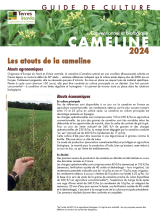
Cameline - Cultivation Guide 2024
Our other articles
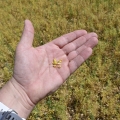
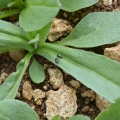
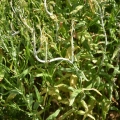
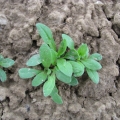
Weeding camelina
SOYSTAINABLE
FranceAgriMer
864 000€
71 months Oui NationalThe challenges
- Reduce the environmental impact of soybean cultivation by increasing local soybean production in France
- Improve France's competitiveness on the soybean market and reduce its dependence on soybean imports
- Develop new soybean varieties adapted to local soil and climate conditions and resilient to climate change
- Generate innovative knowledge on soybean-microorganism interactions, cold tolerance, food protein quality and agronomic modeling
- Understand the obstacles to the development of soybean consumption in France
The objectives
The aim of the SOYSTAINABLE project is to promote high-quality, protein-rich soybean food production in France, by developing new genetic resources and cultivation methods for a locally adapted soybean crop, and more specifically :
- Create collections of early-maturing European soybean genetic resources, including induced or natural genetic diversity.
- Improving soybean protein quality without affecting the plant's physiology and stress tolerance.
- Evaluate and develop locally adapted soybean varieties that are resilient to climate change.
- Capture the microbial diversity of French soils and optimize microbial communities beneficial to soybean cultivation in France.
- Develop agronomic models of soybean cultivation for food to predict soybean performance in different locations in France under various scenarios.
- Investigate socio-technical blockages to soy consumption and explore new food uses for soy, such as edamame, by introducing food innovations and citizen science approaches.
Expected results
- Acquisition of new knowledge on soybean-microorganism interactions, cold tolerance, protein quality genetics and agronomic modeling.
- Generation, conservation and exploitation of microbial and plant collections.
- Development of new agricultural practices and beneficial microorganisms for soybean cultivation.
- Analysis of socio-technical barriers and levers, which will enable us to better understand blockages and promote new food uses for soybean as well as its cultivation.
- Training and renewal of the R&D community working on soybean, creating a network of young technicians, researchers and experts to implement the project's emerging scientific and socio-economic concepts.
The role of Terres Inovia

Partner
- Expertise in crop physiology and soil microbial ecology
- Applied research and experimentation
Do you have a question?
Contact our specialist who will respond promptly to your request.
These projects may be of interest to you
Here are some other projects dealing with the same themes.
Opening Occitanie
- Supporting the agro-ecological transition of 30 farms in Occitania
-
Colza
Pois d'hiver
Tournesol
Pois de printemps
Soja
Féverole d'hiver
Féverole de printemps
Lentille
Pois chiche
Lin d'hiver
Lin de printemps
Lupin d'hiver
Lupin de printemps
Cameline
Chanvre
Ravageurs
Fertilité et gestion durable des sols
CONCERTO
Concerted agro-ecological management of insect pests in field crops
Myco-Risk
Creation of a risk grid for Mycosphaerella in rapeseed
-
Colza
Tournesol
Pois d'hiver
Pois de printemps
Soja
Féverole d'hiver
Féverole de printemps
Lentille
Pois chiche
Lin d'hiver
Lin de printemps
Lupin d'hiver
Lupin de printemps
Cameline
Chanvre
Job opportunities
M2ProLIV
Towards multi-functional protein ingredients obtained by moderate processing of lipid-rich plant co-products with health benefits
Claire Barbet-Massin c.bmassin@terresinovia.fr
01 janvier 2023 S'adapter au changement climatique Paul Sabatier University Toulouse III En cours NonPro'Pulse
FranceAgriMer
Not communicated
60 months Oui NationalThe challenges
The main challenge of this project is to encourage the emergence of new varieties of chickpea, lentil and dry bean that are more resilient to biotic and abiotic stresses and better adapted to conditions in all growing zones.
The objectives
The aim of this project is to explore the worldwide genetic diversity available in chickpea, lentil and bean on criteria of major interest for their agronomic management, yield development and seed quality. The aim is to identify new varieties adapted to growing conditions in France and potential genitors for new initial crosses, in order to develop varieties better suited to the expectations of manufacturers and farmers, and to the soil and climate constraints of their growing areas.
Expected results
- Characterization and analysis of the genetic diversity of available collections
- Development of new varieties with improved performance for the three species studied
The role of Terres Inovia
Partner
- Development of disease observation and diagnosis methods
- Resistance testing
- Support for project coordination
Do you have a question?
Contact our specialist who will respond promptly to your request.
These projects may be of interest to you
Here are some other projects dealing with the same themes.
-
Colza
Pois d'hiver
Tournesol
Pois de printemps
Soja
Féverole d'hiver
Féverole de printemps
Lentille
Pois chiche
Lin d'hiver
Lin de printemps
Lupin d'hiver
Lupin de printemps
Cameline
Chanvre
Ravageurs
Fertilité et gestion durable des sols
CONCERTO
Concerted agro-ecological management of insect pests in field crops
-
Colza
Tournesol
Pois d'hiver
Pois de printemps
Soja
Féverole d'hiver
Féverole de printemps
Lentille
Pois chiche
Lin d'hiver
Lin de printemps
Lupin d'hiver
Lupin de printemps
Cameline
Chanvre
Job opportunities
M2ProLIV
Towards multi-functional protein ingredients obtained by moderate processing of lipid-rich plant co-products with health benefits
-
Colza
Pois d'hiver
Tournesol
Pois de printemps
Féverole d'hiver
Soja
Féverole de printemps
Lentille
Pois chiche
Lin de printemps
Lin d'hiver
Lupin d'hiver
Lupin de printemps
Cameline
Chanvre
Produire avec l’agroécologie
TwinFarms
Deploying digital twins at farm level to foster agro-ecological innovation
Ricin
Towards a better understanding of the factors affecting the successful establishment of intermediate crops
Claire Barbet-Massin c.bmassin@terresinovia.fr
02 juin 2022 S'adapter au changement climatique Pro'Pulse Terminé NonINCREASE
The European Union
7 990 000€
60 months Non InternationalThe challenges
The INCREASE project addresses various aspects of the management of genetic resources of food legumes, which are crucial for sustainability, food security and human health. It addresses technological, scientific and societal issues aimed at supporting agricultural sustainability and innovation in Europe.
The objectives
The INCREASE project aims to improve the management and use of food legume genetic resources in Europe through an innovative and collaborative approach:
- Improving access to legume genetic resources by increasing the quantity, quality and accessibility of information available to users.
- Develop "smart collections" of genetic resources in the form of nested core collections representing the full diversity of each species. These collections will be used to select traits of interest to users.
- Adopt cutting-edge genomics and molecular phenotyping technologies and artificial intelligence-based tools to improve the characterization of genetic resources and thus enable the identification of traits useful for crops and food.
- Set up a decentralized data management infrastructure, using technologies such as blockchain to enable efficient data sharing and integration.
- Involve citizens through participatory science experiments, enabling them to contribute to the conservation and management of legumes, while raising public awareness.
- Collaborate internationally to broaden the scope of the project and facilitate the integration of genetic resources available worldwide.
Expected results
- Improve the conservation and use of genetic resources by setting high quality standards across Europe and beyond.
- Increase the quantity and quality of data associated with genetic resources.
- Develop innovative solutions for sharing genetic resources.
- Develop new legume varieties that are better adapted to European environments and more resistant to climate change, in particular by exploring diversity for drought tolerance in chickpea and common bean.
The role of Terres Inovia
Partner
- Manage interactions with farmers, breeders and seed producers to identify their needs.
- Participation in the dissemination of knowledge
Do you have a question?
Contact our specialist who will respond promptly to your request.
Our partners
- Università Politecnica delle Marche
- IPK
- MPG
- IGR Poznań
- Università degli Studi della Basilicata
- Kmetijski inštitut Slovenije
- Eurice
- CREA
- ICARDA
- SERIDA
- INRAE
- CNRS Le Moulon
- IHAR
- SCDL
- Banca de Resurse Genetice Vegetale
- INIA-CSIC
- Universidade Católica Portuguesa
- ISEA SRL
- Comunità del Mais Spinato di Gandino
- FAO
- UNLP
- ICRISAT
These projects may be of interest to you
Here are some other projects dealing with the same themes.
Opening Occitanie
- Supporting the agro-ecological transition of 30 farms in Occitania
-
Colza
Pois d'hiver
Tournesol
Pois de printemps
Soja
Féverole d'hiver
Féverole de printemps
Lentille
Pois chiche
Lin d'hiver
Lin de printemps
Lupin d'hiver
Lupin de printemps
Cameline
Chanvre
Ravageurs
Fertilité et gestion durable des sols
CONCERTO
Concerted agro-ecological management of insect pests in field crops
Myco-Risk
Creation of a risk grid for Mycosphaerella in rapeseed
-
Colza
Tournesol
Pois d'hiver
Pois de printemps
Soja
Féverole d'hiver
Féverole de printemps
Lentille
Pois chiche
Lin d'hiver
Lin de printemps
Lupin d'hiver
Lupin de printemps
Cameline
Chanvre
Job opportunities
M2ProLIV
Towards multi-functional protein ingredients obtained by moderate processing of lipid-rich plant co-products with health benefits
Claire Barbet-Massin c.bmassin@terresinovia.fr
01 mai 2020 S'adapter au changement climatique Universita Politecnica delle Marche En cours NonImmuSoy
FranceAgriMer
239 625€
72 months Oui NationalThe challenges
Scientific challenges
- Reducing pesticide use by exploiting plants' natural resistance to pathogens.
- An innovation in plant biology, with an innovative strategy based on the analysis of the genomic diversity of PRR genes to improve the basic immunity of soybean against sclerotinia.
- Better knowledge by identifying and characterizing specific PRR alleles that confer enhanced resistance to the pathogen, thus contributing to the understanding of resistance mechanisms in plants.
Socio-economic challenges
- Securing agricultural yields: by developing more resistant soybean varieties.
- Support for sustainable agriculture: the results of the project can be used in both conventional and organic farming, providing a sustainable solution for crop protection.
- A response to the growing demand for soybeans by providing more resistant and adapted soybean varieties.
The objectives
The project aims to develop an innovative method for rapidly and quantitatively assessing the resistance of soybean varieties to sclerotinia, and to explore the diversity of PRRs in soybean to identify the alleles responsible for this resistance. The expected results will make it possible to improve the resistance of elite soybean lines to sclerotinia.
Expected results
- High-throughput phenotyping methodology: improvement of the field measurement protocol and development and validation of an innovative, quantitative disease phenotyping method using the Navautron system.
- Identification of PRR alleles conferring increased resistance to Sclerotinia sclerotiorum: these alleles could be used in breeding programs to improve the resistance of elite soybean lines.
The role of Terres Inovia
Partner
- Expertise in soybean cultivation and variety management
- Carrying out, analyzing and disseminating the results of field inoculation tests on 15 different genotypes per year
Do you have a question?
Contact our specialist who will respond promptly to your request.
These projects may be of interest to you
Here are some other projects dealing with the same themes.
Opening Occitanie
- Supporting the agro-ecological transition of 30 farms in Occitania
-
Colza
Pois d'hiver
Tournesol
Pois de printemps
Soja
Féverole d'hiver
Féverole de printemps
Lentille
Pois chiche
Lin d'hiver
Lin de printemps
Lupin d'hiver
Lupin de printemps
Cameline
Chanvre
Ravageurs
Fertilité et gestion durable des sols
CONCERTO
Concerted agro-ecological management of insect pests in field crops
Myco-Risk
Creation of a risk grid for Mycosphaerella in rapeseed
-
Colza
Tournesol
Pois d'hiver
Pois de printemps
Soja
Féverole d'hiver
Féverole de printemps
Lentille
Pois chiche
Lin d'hiver
Lin de printemps
Lupin d'hiver
Lupin de printemps
Cameline
Chanvre
Job opportunities
M2ProLIV
Towards multi-functional protein ingredients obtained by moderate processing of lipid-rich plant co-products with health benefits
Claire Barbet-Massin c.bmassin@terresinovia.fr
01 janvier 2023 S'adapter au changement climatique INRAE En cours OuiCap Protéines+
Funded by the Ministry
of Agriculture and Food Sovereignty via the Ecological Planning Fund.
8 M euros (including CVO)
36 months Oui National
The challenges
Cap Protéines+ is part of the National Strategy for the Development of Plant Proteins (SNPV). This large-scale project follows on from Cap Protéines, which produced numerous results (tools for producers and breeders, initiatives to structure local supply chains, new technical references, etc.).
Launched in 2024, Cap Protéines+ aims to capitalize on this dynamic partnership between the animal and plant sectors to boost the production and use of plant proteins. The aim is to strengthen France's protein sovereignty by acquiring technical and economic benchmarks, and helping industry players (from farmers to processors) to take full advantage of existing innovations and knowledge.
The objectives
Cap Protéines + aims to meet the following objectives:
- Secure the ability to produce grain and forage legumes, in organic and conventional production, by evaluating and transferring robustness levers and researching new solutions;
- Promote the use of French plant proteins by animal and human food processors;
- Structure and strengthen the plant protein production and processing sectors in France (including overseas territories) to make them sustainable;
- Support industry players on a massive scale by proposing collaborative approaches to acquiring references and implementing strategies to increase sovereignty on a regional scale;
- Promote the transfer of results that can already be deployed to farmers and trainees.
Expected results
- Identify limiting factors and propose optimized technical itineraries to secure the production of grain and forage legumes, adapted to the context of climate and regulatory change.
- Develop technical, economic and environmental benchmarks for French plant proteins.
- Develop innovations in processing techniques to support the "vegetalization" of the food supply.
- Support the structuring of local supply chains for animal feed and human consumption.
- Produce knowledge, methods and tools for use by farmers and learners
- Propose ways of supporting risk-taking related to initiated transitions
The role of Terres Inovia

Coordinator
- General management of Cap Protéines+ and coordination of the project's technical and financial actions
- Acquisition of technical and economic references and transfer to farmers and industry players
Achievements and spin-offs
- Acquisition of technical references on the production of seed legumes to respond to biotic and abiotic stresses in a context of climate and regulatory change.
- Development of technical and economic references on French protein-rich materials, and support for the construction and evaluation of strategies to increase protein sovereignty on a territorial scale.
- Production of references and tools to help structure production chains in line with downstream needs, from processor to consumer.
- Supporting farmers and their advisors in the implementation of levers to secure their capacity to produce legumes, thanks to reinforced support in the field, the production of actionable supports and tools, and by integrating the cropping system scale in a multi-performance approach.
- Development of risk-taking support methods for farmers and collecting organizations.
- Disseminate information and results from ongoing research and development work on legumes.
Do you have a question?
Contact our specialist who will respond promptly to your request.
These projects may be of interest to you
Here are some other projects dealing with the same themes.
Opening Occitanie
- Supporting the agro-ecological transition of 30 farms in Occitania
-
Colza
Pois d'hiver
Tournesol
Pois de printemps
Soja
Féverole d'hiver
Féverole de printemps
Lentille
Pois chiche
Lin d'hiver
Lin de printemps
Lupin d'hiver
Lupin de printemps
Cameline
Chanvre
Ravageurs
Fertilité et gestion durable des sols
CONCERTO
Concerted agro-ecological management of insect pests in field crops
Myco-Risk
Creation of a risk grid for Mycosphaerella in rapeseed
-
Colza
Tournesol
Pois d'hiver
Pois de printemps
Soja
Féverole d'hiver
Féverole de printemps
Lentille
Pois chiche
Lin d'hiver
Lin de printemps
Lupin d'hiver
Lupin de printemps
Cameline
Chanvre
Job opportunities
M2ProLIV
Towards multi-functional protein ingredients obtained by moderate processing of lipid-rich plant co-products with health benefits
Laurine Brillault l.brillault@terresinovia.fr
01 janvier 2024 Renforcer la souveraineté en huiles et protéines Terres Inovia En cours