
Description
Whether you’re a beginner or looking to refresh your knowledge, the COLZA Live training course provides a comprehensive understanding of rapeseed cultivation. Through seven short, interactive sessions led by experts, you’ll gain the essential skills to optimize your farming practices—all in a digital format.
On the agenda:
Session 1: Introduction to Rapeseed Cultivation and Planting (April 7, 2026, from 9:00 AM to 11:00 AM)
- Global context of rapeseed cultivation and related agricultural challenges
- Identification of the stages of the rapeseed crop cycle and phenological stages.
- Challenges of rapeseed establishment, the benefits of a robust rapeseed crop, and key growth stages to achieve; keys to selecting optimal establishment techniques based on the context
Session 2: Fertilization (April 8, 2026, 9:00 AM to 11:00 AM)
- Specific characteristics of rapeseed regarding nitrogen nutrition
- Calculating the nitrogen dose to apply in the spring (Rapeseed Nitrogen Ruler®) and choosing a split-application strategy
- Rationale for phosphorus, potassium, and sulfur fertilization
- Rapeseed’s micronutrient requirements; focus on boron and molybdenum
Session 3: Weed Control (April 10, 2026, from 9:00 AM to 11:00 AM)
- Description of the main agronomic control methods
- Development of herbicide control strategies tailored to weed species.
- Controlling grasses: Ryegrass & Foxtail
- Presentations on mechanical control methods and mixed weeding strategies
Session 4: Spring Diseases (April 14, 2026, 9:00 AM to 11:00 AM)
- Review of the main spring diseases: Sclerotinia, Powdery Mildew, Alternaria, Mycosphaerella, Phoma...
- Study of the life cycle and harmfulness of these diseases.
- Control methods available within the framework of integrated crop protection.
Session 5: Spring Pests (April 29, 2026, 9:00 a.m. to 11:00 a.m.)
- Presentation of various spring pests: description and life cycle.
- Presentation of the main management strategies
- Presentation of preventive measures (agronomic tools) to limit the impact of pests
- Damage potential, risk assessment during the growing season (presentation of Decision Support Tools and decision-making rules), and decision-making
- Choice of insecticides
- Prospects for biocontrol solutions
- Overview of key natural enemies
Session 6: Harvesting, Yield Components, and Ecophysiological Aspects (May 19, 2026, from 9:00 AM to 11:00 AM)
- Strategies to minimize harvest losses.
- Presentation of the swathing technique to optimize rapeseed harvesting.
- Explanation of this year’s yields: components of rapeseed yield and favorable factors.
Session 7: Fall Pests (June 23, 2026, 9:00–11:00 a.m.)
- Presentation of various fall pests: description and life cycle.
- Presentation of the main management strategies.
- Preventive measures: actions to take early on to limit risk during the growing season.
- Damage potential and risk assessment during the growing season (presentation of decision-making tools and decision rules).
- Selection of insecticides and slug control products.
Training objectives
By the end of the training, participants will be able to:
- Understand and master rapeseed cultivation techniques
- Make informed decisions to optimize rapeseed cultivation
- Assess the success of rapeseed cultivation
- Optimize rapeseed planting
- Apply effective weed control strategies
- Manage fall and spring pests
- Optimizing rapeseed fertilization
- Controlling spring diseases
- Minimizing harvest losses
Teaching methods
100% digital format: Online training, accessible from any connected device.
Active learning: Technical presentations, real-world case studies, feedback.
Assessment: End-of-session quiz, Q&A session, individual satisfaction survey, self-assessment.
Teaching resources
Online sessions: 7 two-hour sessions on Teams, led by expert engineers from Terres Inovia.
Theoretical materials: Presentations, technical documents, OAD proposals
Interactivity: Quizzes, Q&A sessions, and live discussions with instructors.
Digital materials: Presentations and resources provided after each session.
Assessment methods
Quizzes during each session, Q&A sessions, individual satisfaction surveys, and self-assessment.Accessibility information
If you need any accommodations to help you succeed in your program, please contact the disability coordinator:
Christel CARO
Phone: 01 30 79 95 09
Email: formation@terresinovia.fr
Our other training courses
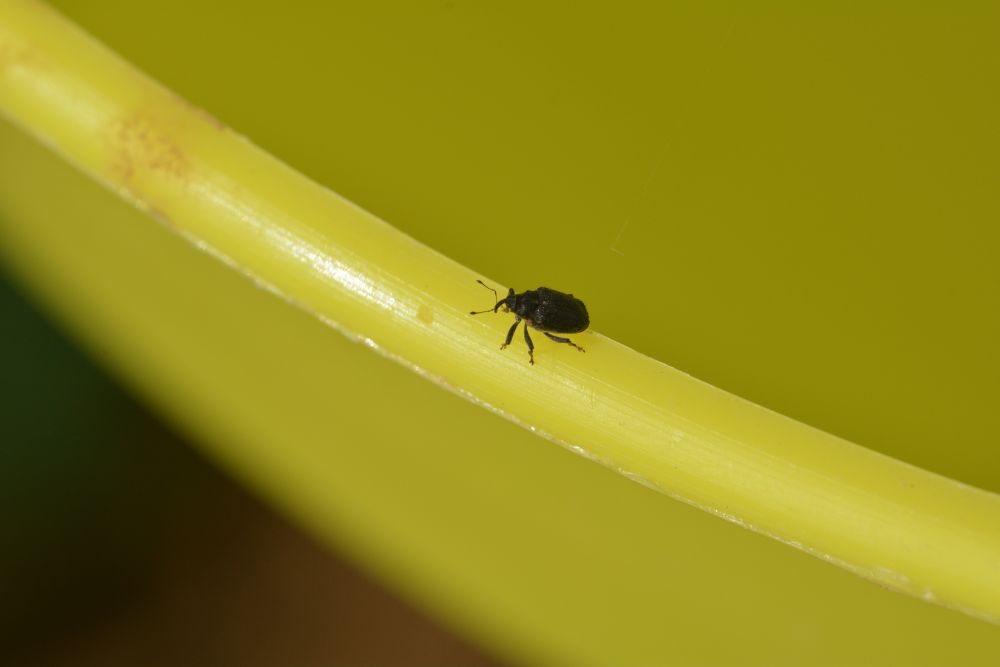
Management of Rapeseed Pests: Toward New Collaborative and Regional Approaches
Sur devis
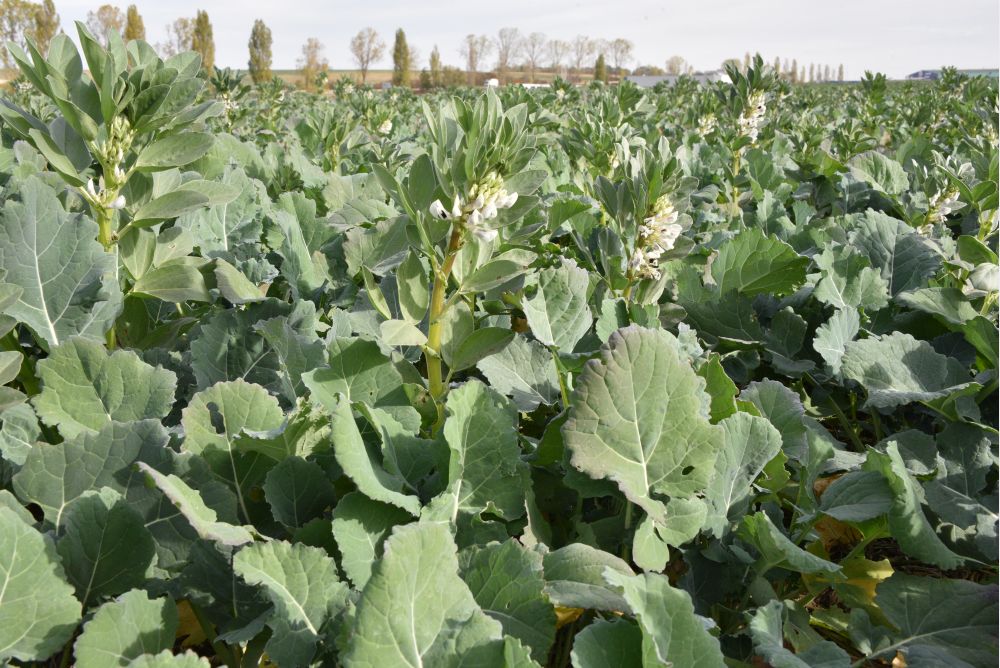
Try incorporating cutlery into your farming systems
Sur devis
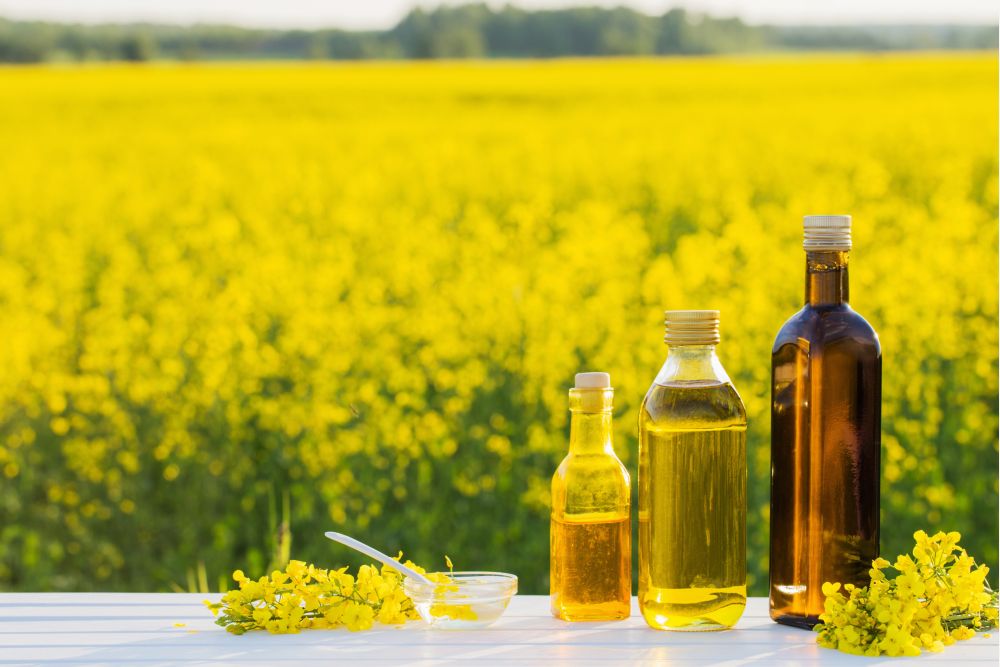
Production of edible oil through a short supply chain
Sur devis
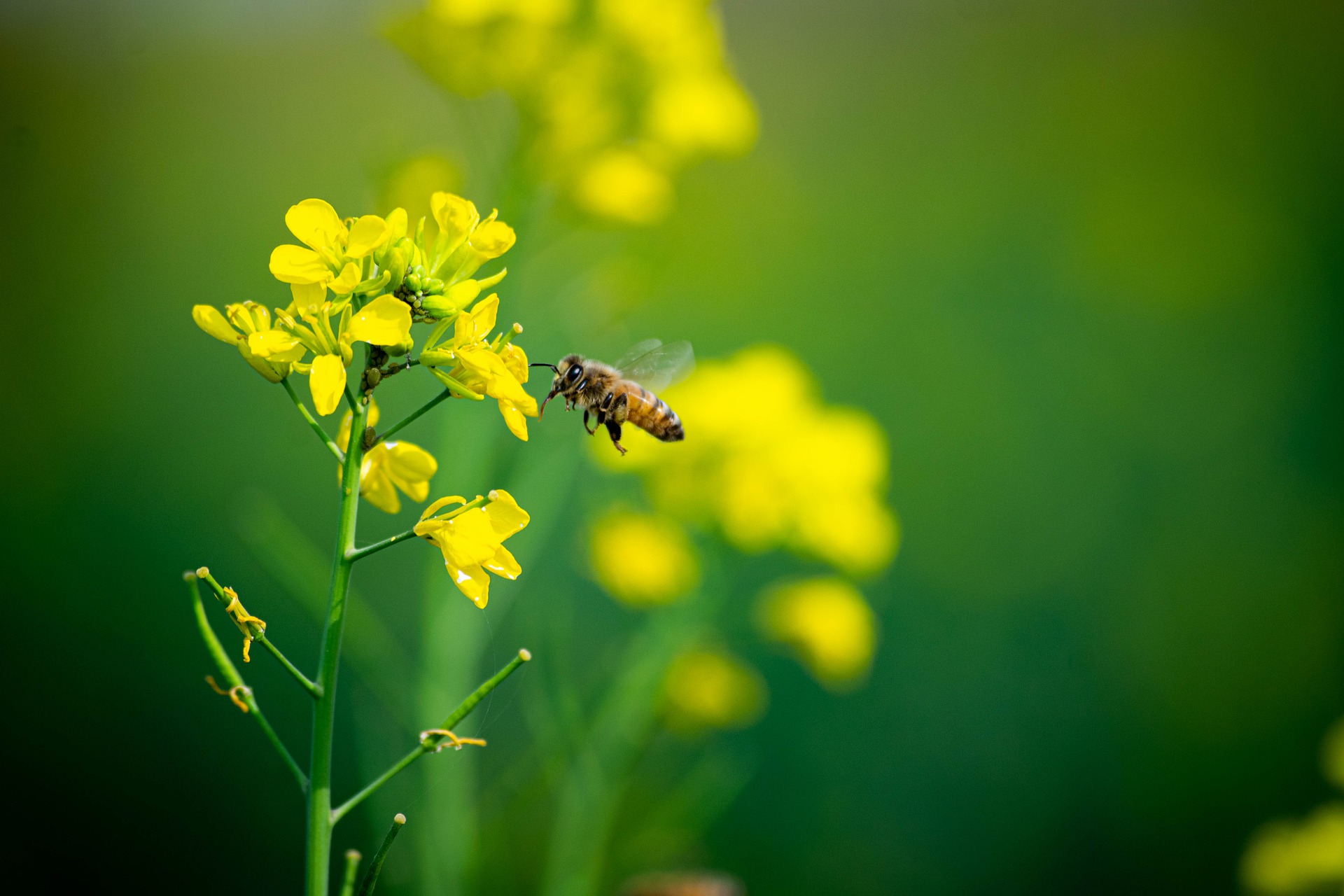
The Basics of Rapeseed Cultivation
Sur devis