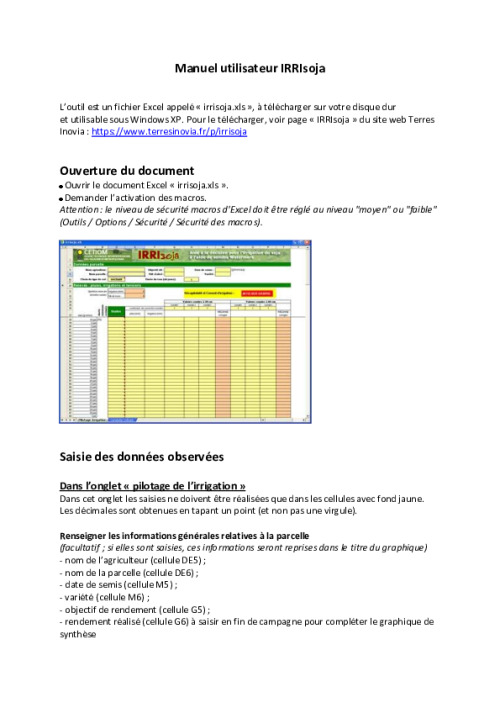

Building a localized supply chain
Terres Inovia can help you build a new, regionalized industry.
- From strategy to field deployment
- Study of the production potential and economic performance of oilseeds in different production contexts in France.
Notre offre
- Appui stratégique : éclairer les pouvoirs publics et les opérateurs privés sur la faisabilité technico-économique d’une filière oléoprotéagineuse territorialisée grâce à un accompagnement global sur l’ensemble de la chaine de valeur
- Appui sur le terrain : de l’état des lieux jusqu’à l’accompagnement des producteur
- Assemblage de compétences : Mobilisation des meilleurs experts à toutes les phases du projet pour éclairer les décisions
Les grandes étapes
- Etat des lieux
- Expérimentation terrain
- Synthèses et simulations
- Accompagnement au démarrage
These services may be of interest to you
Oilseed impurities
Method used: in-house methodOilseed impurities ISO
Method used: NF EN ISO 658Water content ISO oilseeds
Method used: NF EN ISO 665ISO oilseed cake water content
Method used: ISO 771Would you like a quote?
Would you like to know more about this service or receive a quote? Send us your request!
Fatty acids ISO s/seeds
Method used: NF EN ISO 17059 - NF EN ISO 12966-4

These services may be of interest to you
Building a localized supply chain
Terres Inovia can help you build a new, regionalized industry.From strategy to field…Oilseed impurities
Method used: in-house methodOilseed impurities ISO
Method used: NF EN ISO 658Water content ISO oilseeds
Method used: NF EN ISO 665Would you like a quote?
Would you like to know more about this service or receive a quote? Send us your request!
Growing soybeans successfully in the South-West
Our other training courses
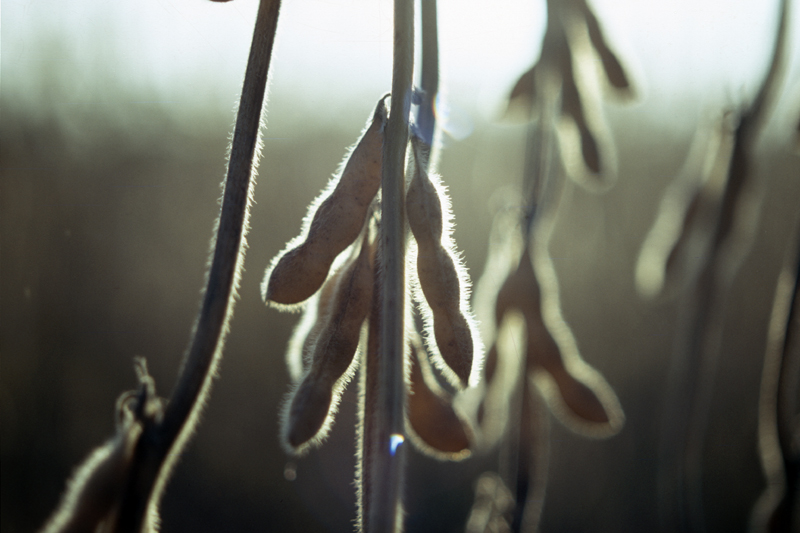
Soya: a strategic crop for sustainable systems
Sur devis
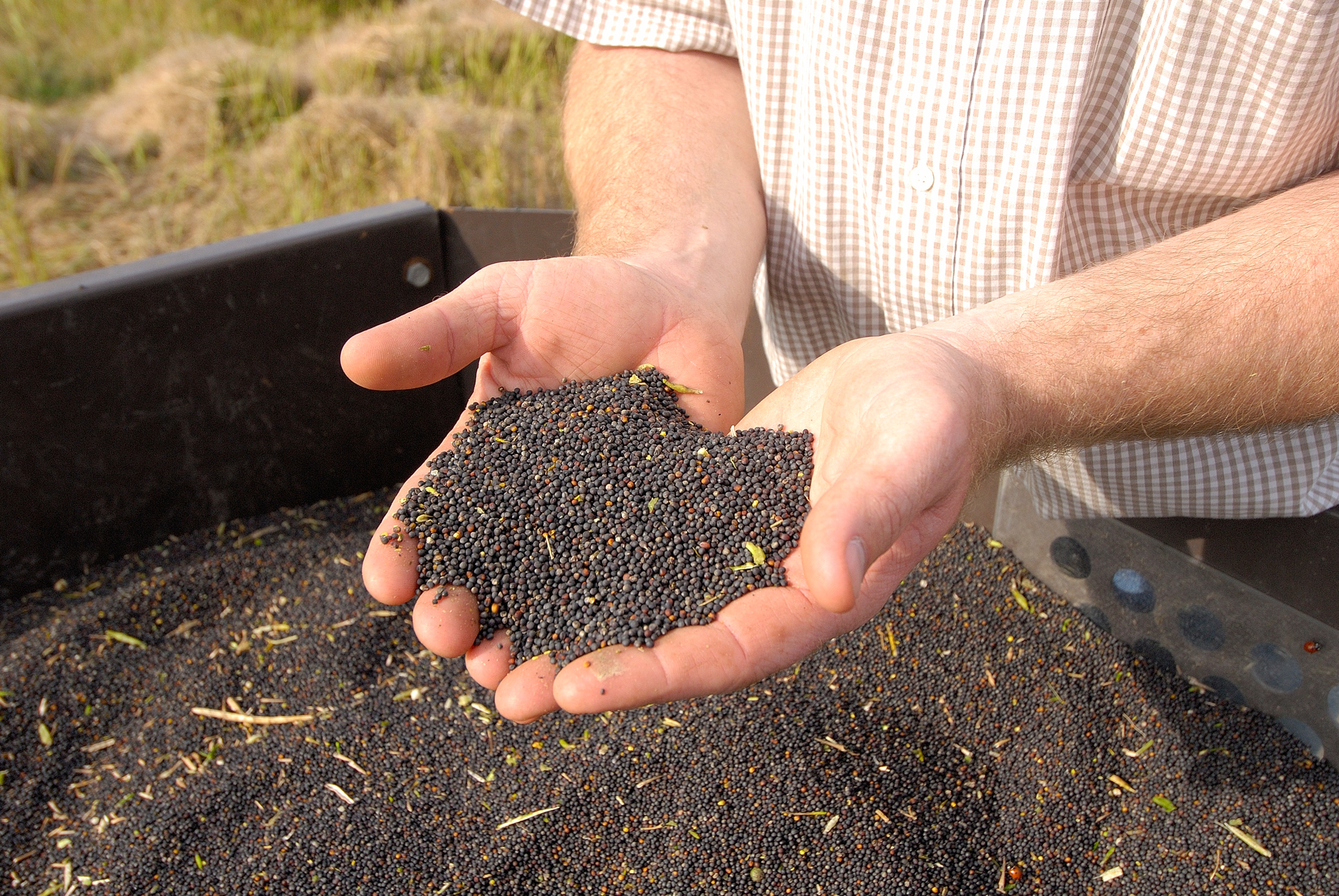
Optimization of crushing and mechanical extraction of oil-protein seeds
Sur devis
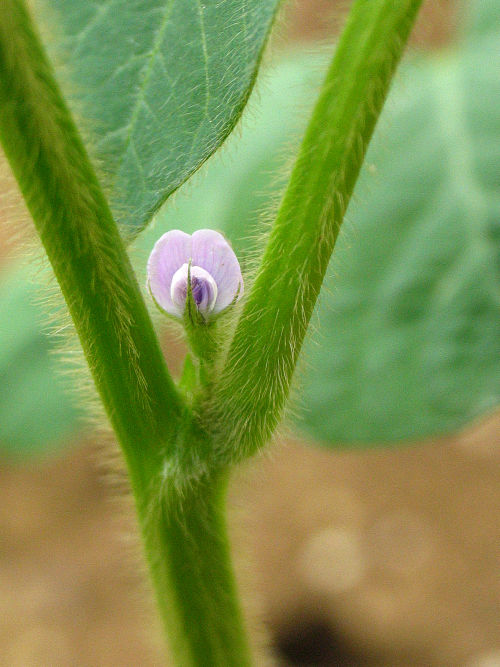
Soybeans: Diagnosing climatic accidents
Sur devis
Soya, a crop of the future to be mastered!
In a context of agro-ecological transition, soybeans are back in the spotlight thanks to their low input requirements and varied outlets. Boosted by regulatory and economic support (protein plan, MAEC, SIE...), this crop offers real opportunities in both conventional and organic farming. This training course will provide you with a comprehensive, practical technical approach to successfully manage each stage of the crop, secure your yields and make the most of your production.
The program includes
1 Plant and canopy functioning:
- Key aspects of soybean physiology and phenology
- Highlighting levers for improving yields
2 - Cultural management adapted to the South-West :
- Planting
- Weed management
- Crop protection
- Water management
- Harvest control
3 Diagnosis of major accidents :
- Recognition of soybean pests
- Identification of root and leaf diseases
- Frequent climatic accidents in the South West
4 Approach to organic crop management
5 - Soybeans in catch crops: some indicators
Training organized in collaboration with FILEG (free for their members)
At the end of the course, participants will be able to :
- Understand how plants function
- Analyze the factors influencing yield and the technical levers for optimization
- Recommend key cultivation techniques for successful soybean cultivation
- Implement good harvesting practices
- Detect and diagnose major crop failures (pests, diseases, abiotic stresses)
- Adapt crop management to the specificities of organic agriculture
Face-to-face format (1 day) :
-
Theoretical input via illustrated presentations and case studies.
-
Interactive exchanges between participants and trainers to share experiences and questions.
Active methods: Presentations, case studies, debates, questions and answers.
Evaluation: Quiz, Q&A, individual satisfaction survey, self-assessment.
Theoretical support: Lectures, presentations, written material given to participants.
Case studies: Feedback from the field to illustrate best practices and solutions.
Exchange of practices: Discussions and sharing between trainees and trainers.
Agricultural technicians and advisors, Farmers and producers, Agricultural teachers and trainers, Agronomic and technical sales managers in agricultural distribution, Agri-food / processing industry players Quiz, Q&A, individual satisfaction survey, self-positioning.If you have any requests for adaptations to help you succeed in your course, please contact the disability referent:
Christel CARO
Tel: 01 30 79 95 09
Mail: formation@terresinovia.fr
Aucun 480€ TTC 5 15 https://public.dendreo.com/4rsx27tf4npws6tp4zAwc/media/jv72wsdgmr5hgzdf4ztwyrdxmngvm7dw4brh16cxj27A2wrr38rcwz53hbfgy5lmmzt25pj5hj6x1Azrj77v46cnn83w99jvgngs98bvgzhfcpj8 1 Jour Quentin LAMBERT 93 Inter-company and intra-companyFungal strain on culture medium
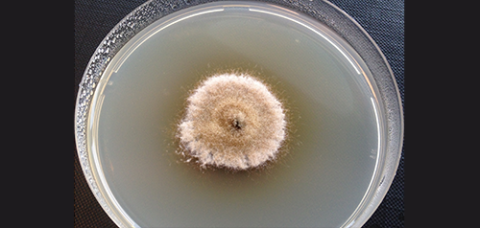
Supply of mycelial growth on culture medium for the fungal species described below.
Price: from 107€ excl. tax per strain
Alternaria brassicae, Alternaria brassicicola, Alternaria tenuissima, Aphanomyces euteiches, Aphanomyces cochlioides, Ascochyta pisi, Ascochyta fabae, Ascochyta rabiei, Botrytis cinerea, Botrytis fabae, Cladosporium sp, Cylindrosporium concentricum, Colletotrichum lini, Colletotrichum lupini, Epicoccum sp., Fusarium oxysporum, Fusarium solani, Leptosphaeria maculans, Leptosphaeria biglobosa, Leptosphaeria lindquistii, Macrophomina phaseolina, Penicillium sp., Phomopsis helianthi, Phoma medicaginis, Phomopsis phaseolorum, Rhizoctonia sp., Pythium sp., Pseudomonas syringae pv. pisi, Rhizopus sp., Sclerotinia sclerotiorum, Sclerotinia trifoliorum, Septoria linicola, Septoria glycines, Stemphyllium sp., Trichoderma sp., Verticillium dahliae, Verticillium longisporum.
These services may be of interest to you
Building a localized supply chain
Terres Inovia can help you build a new, regionalized industry.From strategy to field…Oilseed impurities
Method used: in-house methodOilseed impurities ISO
Method used: NF EN ISO 658Water content ISO oilseeds
Method used: NF EN ISO 665Would you like a quote?
Would you like to know more about this service or receive a quote? Send us your request!
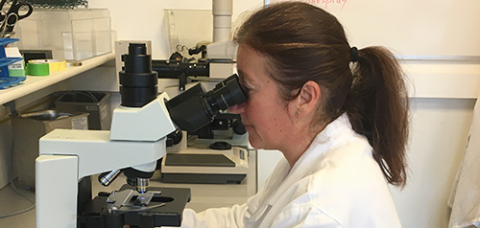
Pathological diagnosis on plant material
Diagnosis by macroscopic and microscopic observation, supplemented if necessary by molecular analysis and/or isolation of the pathogenic micro-organism on culture medium. The results are transmitted in the form of a report.
Price: from €268 excluding VAT
These services may be of interest to you
Building a localized supply chain
Terres Inovia can help you build a new, regionalized industry.From strategy to field…Oilseed impurities
Method used: in-house methodOilseed impurities ISO
Method used: NF EN ISO 658Water content ISO oilseeds
Method used: NF EN ISO 665Would you like a quote?
Would you like to know more about this service or receive a quote? Send us your request!
Optimization of crushing and mechanical extraction of oil-protein seeds
Our other training courses
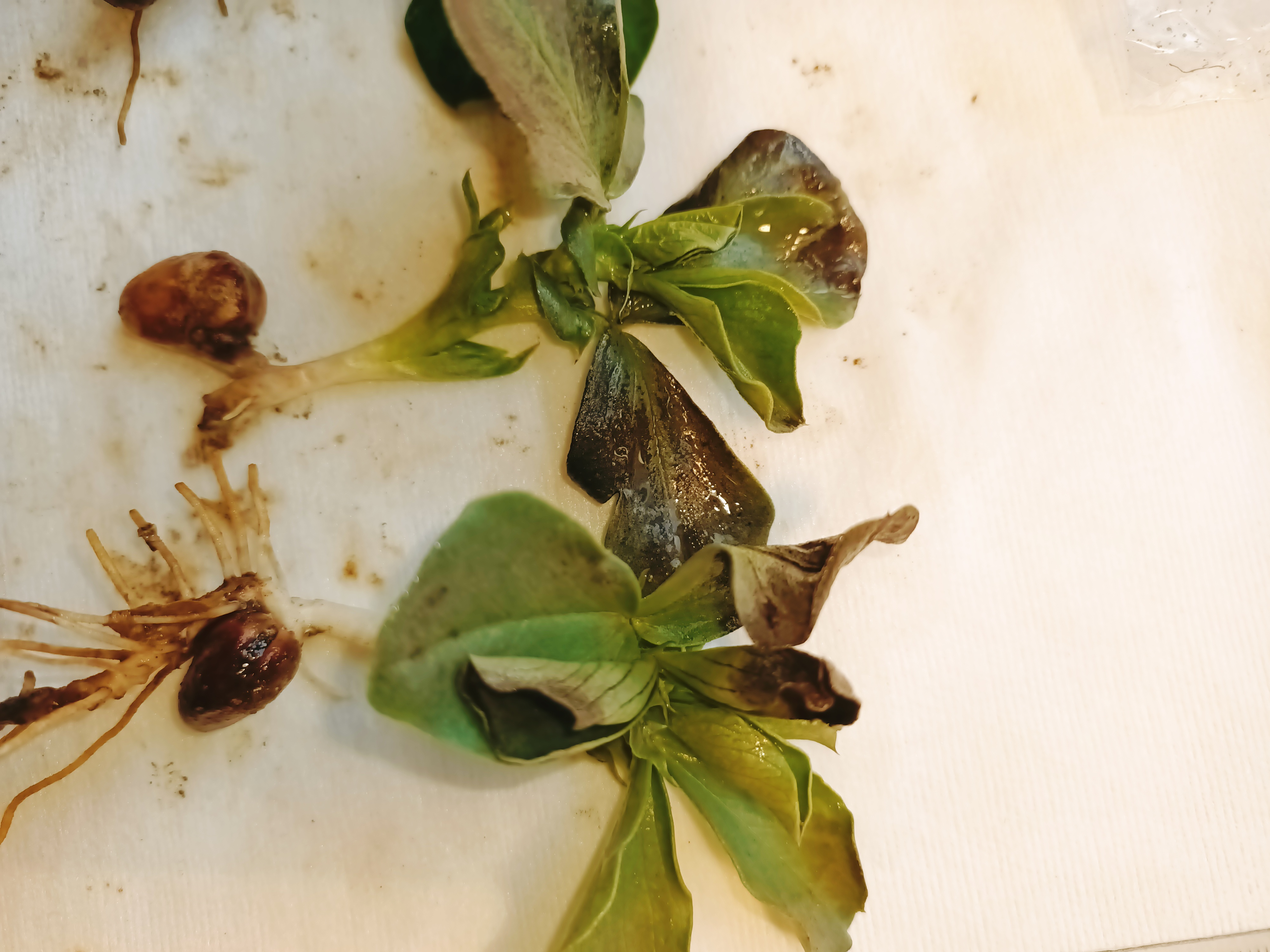
Peas, lupins and faba beans: diagnosing climatic accidents
Sur devis
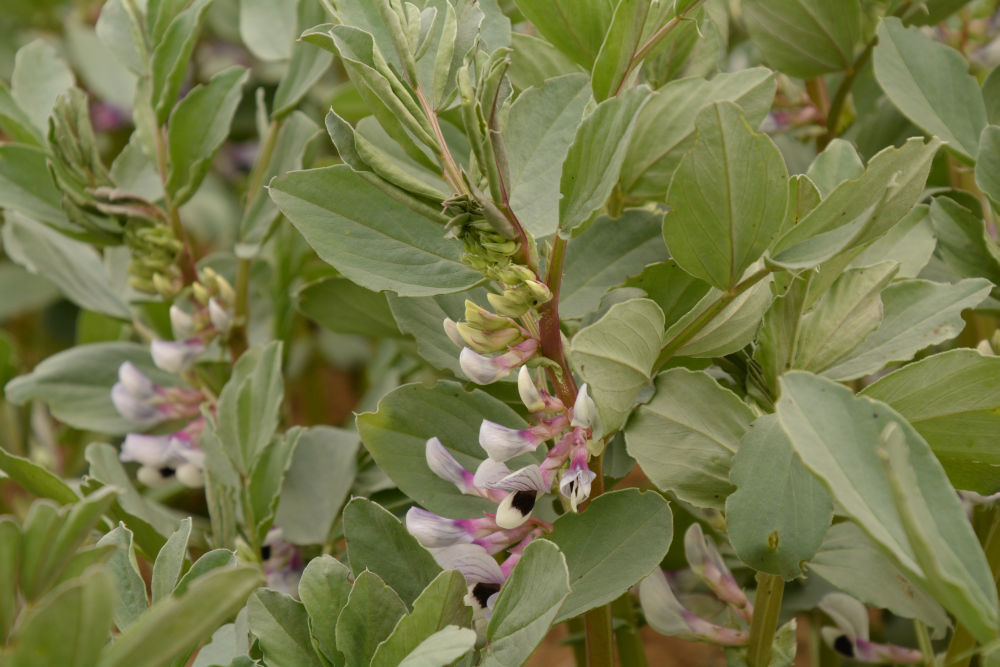
Mastering the cultivation of faba beans (winter & spring)
Sur devis
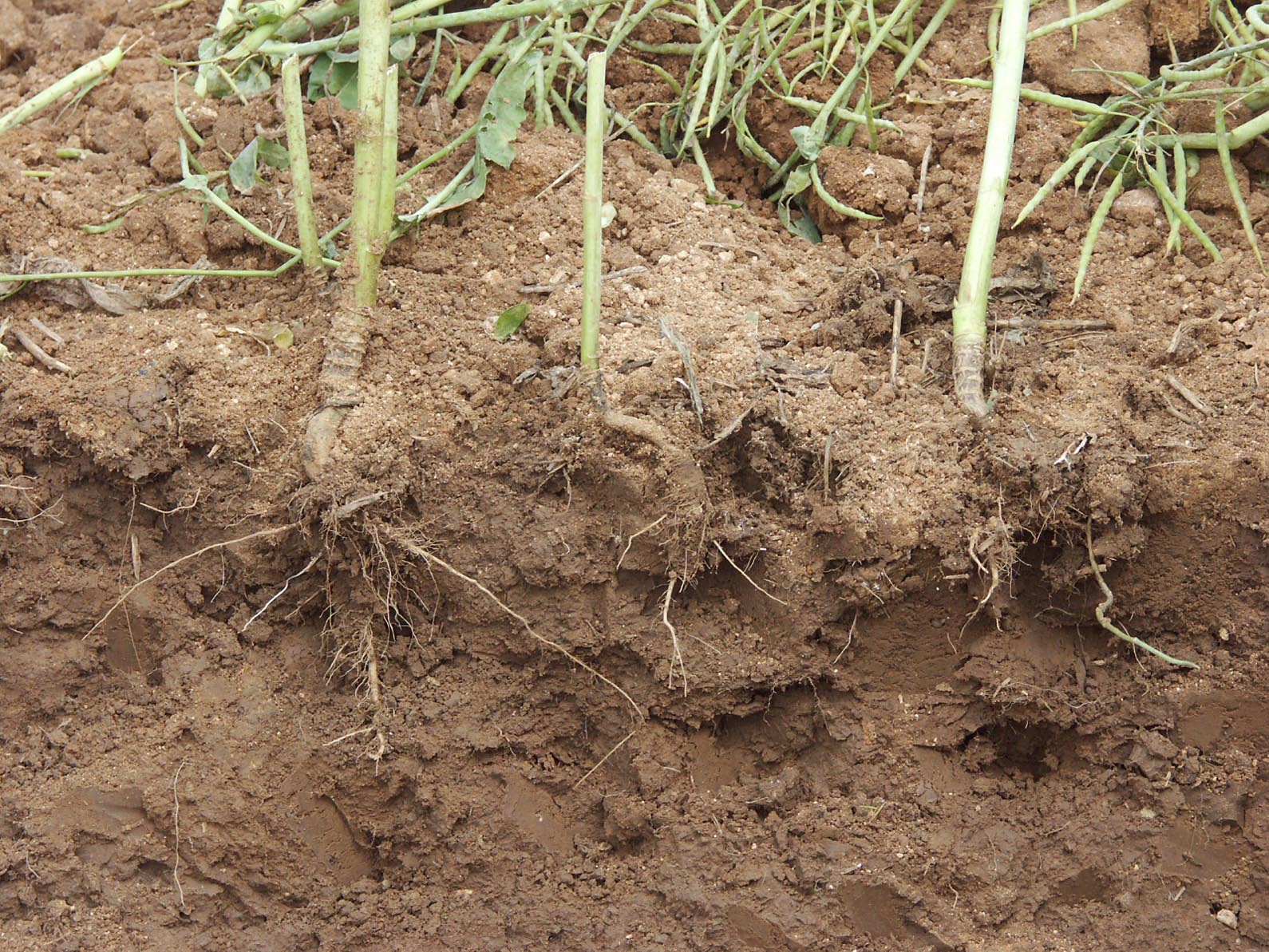
The spade test for successful crop establishment
Sur devis
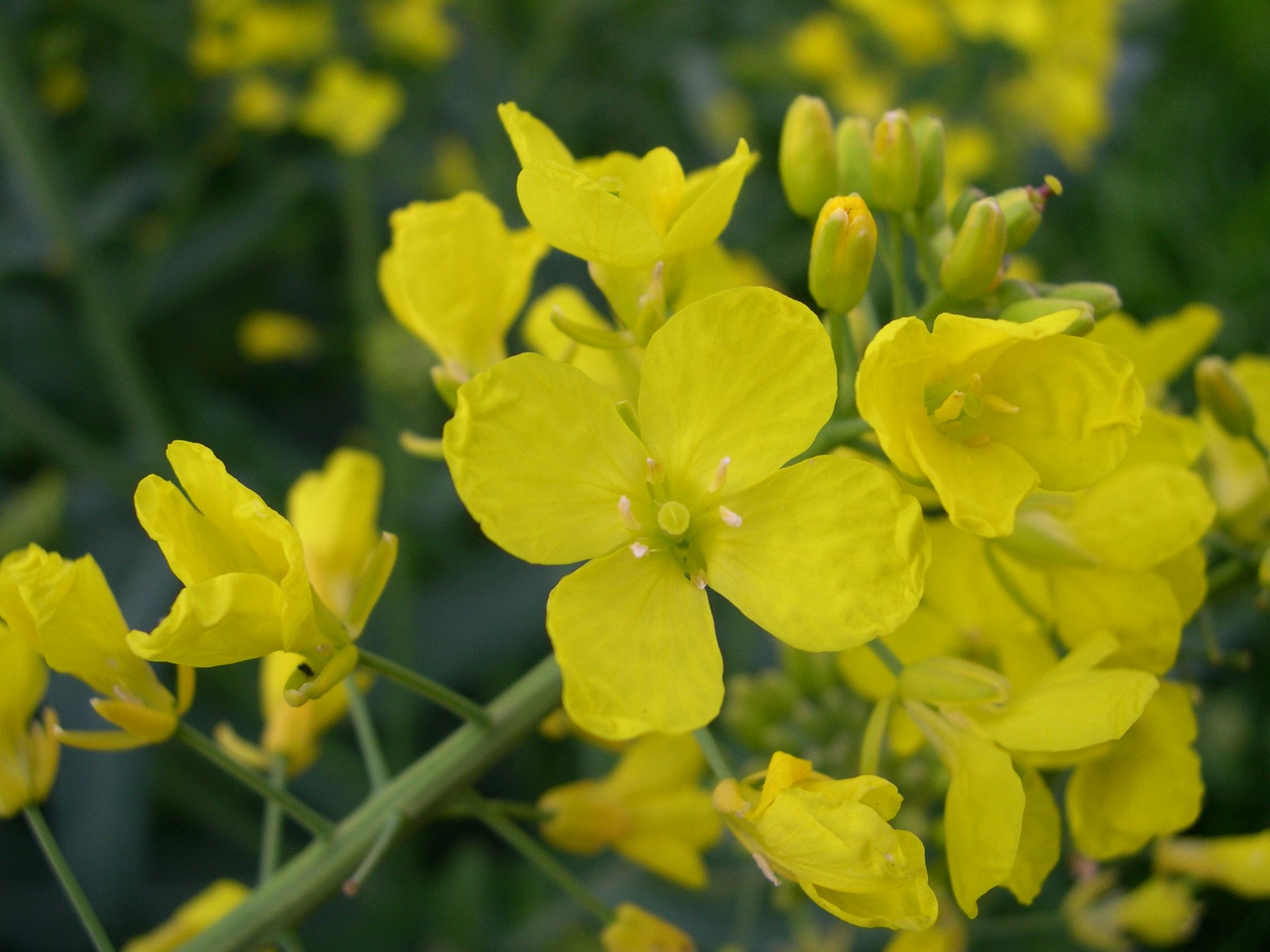
Rapeseed and agronomy: new strategies to meet new agri-environmental requirements
Sur devis

Training catalog
Discover all the field crop training courses offered by Arvalis and Terres Inovia.

Improve your mastery of crushing processes and mechanical extraction of oil-protein seeds.
This course will enable you to analyze in detail the impact of process parameters on the chemical composition of oils (fatty acids, phospholipids, undesirables) and on the nutritional quality of oilcakes (digestibility, anti-nutritional factors). It incorporates the latest advances in mechanical extraction and proposes an applied approach to optimize de-oiling performance and meet the technical requirements of industrial sectors.
Program:
Day 1: Fundamentals and practices of mechanical oilseed extraction
- Oil chemistry: fatty acids, triglycerides, phospholipids, sterols and phytosterols, waxes. Properties, risks of deterioration
- General information on seeds & hulling with a focus on sunflower: hulling, variability of oil quality linked to growing conditions and varieties.
- Extraction mechanics: compression, filtration, viscosity, press geometry
- Workshop visit: press study, analysis tools, case studies
- Feedback & case studies
Day 2: Heat treatment, product quality and industrial optimization
- Mechanics of baking
- Importance of baking
- Heat treatments & Oil and cake quality
- Feedback & case studies
- Process optimization tools
At the end of the course, participants will be able to :
- Identify the main chemical and nutritional characteristics of oils derived from oilseeds
- Analyze the effects of crushing processes on oil and cake quality
- Explain the operation of mechanical extraction processes and their critical parameters
- Assess the suitability of processed products for end-users (animal nutrition, industry)
- Use numerical tools to simulate, predict and optimize production performance
Theoretical and technical input: detailed presentations of the fundamentals (oil chemistry, extraction mechanisms, critical parameters), illustrated by diagrams and scientific data.
Case studies and feedback: analysis of real industrial situations, sharing of best practices and discussion of solutions.
Hands-on workshop visit: observe equipment (presses, analysis tools), demonstrate processes, manipulate parameters and analyze results in real time.
Interactive exchanges: question-and-answer sessions, quizzes to validate acquired knowledge, debates between participants and trainer.
Presentation aids given to participants: paper or digital documents: presentations, diagrams, key data, bibliography.
Digital optimization tools : use of software (Excel, solver) to simulate and optimize processes.
Case studies: simulations of industrial problems, collective analysis of solutions.
Workshop visit: possibility of a half-day workshop visit to see the effects of controllable parameters on de-oiling performance.
Technical managers, crushing plant operators or managers, agro-industrial processing professionals, R&D engineers, process technicians. End-of-session quiz, Q&A, individual satisfaction survey, self-positioningIf you have any requests for adaptations to help you succeed in your course, please contact the disability referent:
Christel CARO
Tel: 01 30 79 95 09
Mail: formation@terresinovia.fr
Aucun 960€ TTC 5 15 https://public.dendreo.com/4rsx27tf4npws6tp4zAwc/media/lb2dgnchlbyA786k4zvhkAcvjy5gyvczlj22y6tkgzmcwzrwmf6gq6byljb2gmlwpjdhgpj5hj22qz5ylbAAA7sz4qxtssjtnj2w9q6fgjrAcpj8 2 Jours Patrick CARRE 48 Inter-company and intra-companySoya: a strategic crop for sustainable systems
Our other training courses
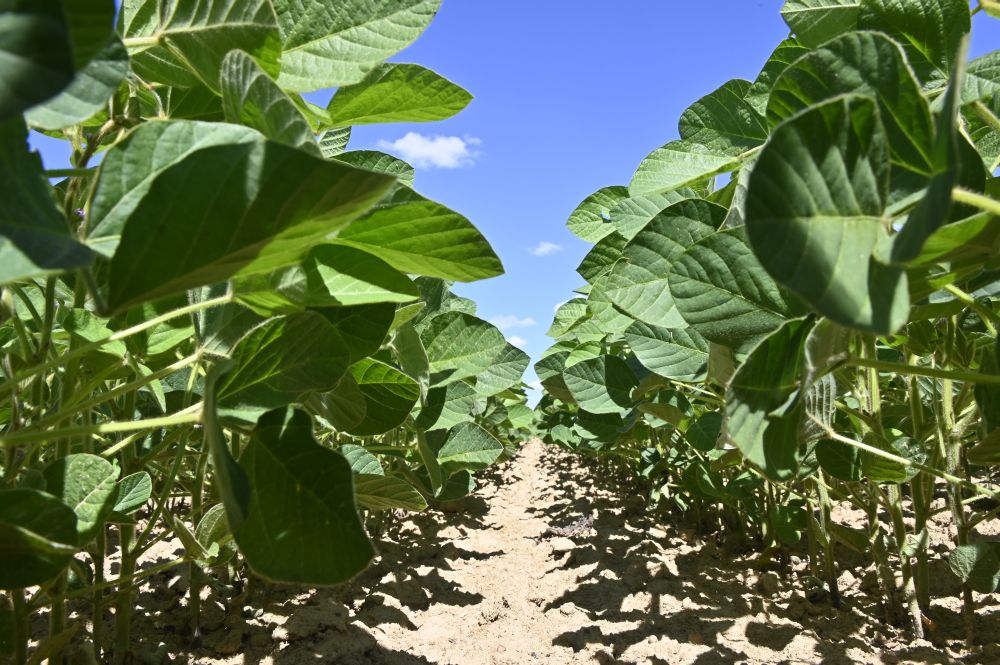
Growing soybeans successfully in the South-West
Sur devis
Optimization of crushing and mechanical extraction of oil-protein seeds
Sur devis
Soybeans: Diagnosing climatic accidents
Sur devis
Soya, a crop of the future to be mastered!
In a context of agro-ecological transition, soybeans are back in the spotlight thanks to their low input requirements and varied outlets. Boosted by regulatory and economic support (protein plan, MAEC, SIE...), this crop offers real opportunities in both conventional and organic farming. This training course will provide you with a comprehensive, practical technical approach to successfully manage each stage of the crop, secure your yields and make the most of your production.
The program includes
1 Plant and canopy functioning:
- Key aspects of soybean physiology and phenology
- Highlighting levers for improving yields
2 - Cultural management and associated decision-making rules:
- Planting
- Weed management
- Crop protection
- Water management
- Harvest control
3 Diagnosis of major accidents :
- Recognition of soybean pests
- Identification of root and leaf diseases
- Frequent climatic accidents
4 Approach to organic crop management
5 Soybeans in catch crops: a few indicators
At the end of the course, participants will be able to :
- Understand how plants function
- Analyze the factors influencing yield and the technical levers for optimization
- Recommend key cultivation techniques for successful soybean cultivation
- Implement good harvesting practices
- Detect and diagnose major crop failures (pests, diseases, abiotic stresses)
- Adapt crop management to the specificities of organic farming
Face-to-face format (1 day) :
-
Theoretical input via illustrated presentations and case studies.
-
Interactive exchanges between participants and trainers to share experiences and questions.
Active methods: Presentations, case studies, debates, questions and answers.
Evaluation: Quiz, Q&A, individual satisfaction survey, self-assessment.
Theoretical support: Lectures, presentations, written material given to participants.
Case studies: Feedback from the field to illustrate best practices and solutions.
Exchange of practices: Discussions and sharing between trainees and trainers.
Agricultural technicians and advisors, Farmers and producers, Agricultural teachers and trainers, Agronomic and technical sales managers in agricultural distribution, Agri-food / processing industry players Quiz, Q&A, individual satisfaction survey, self-positioning.If you have any requests for adaptations to help you succeed in your course, please contact the disability referent:
Christel CARO
Tel: 01 30 79 95 09
Mail: formation@terresinovia.fr
Aucun 480€ TTC 5 15 https://public.dendreo.com/4rsx27tf4npws6tp4zAwc/media/hbjx4nt34fAg5zdd3vdfs5c3g2vA366pj1vv2vbpm8wx2t5xjbdvczkfgn5xc6dmnfsvcpj5hjgfmrdg3f6x3Ads4bngsk6hjy6fgmjwpfd2cpj8 1 Jour 44 Inter-company and intra-companySoybeans: Diagnosing climatic accidents
Our other training courses
Growing soybeans successfully in the South-West
Sur devis
Soya: a strategic crop for sustainable systems
Sur devis
Optimization of crushing and mechanical extraction of oil-protein seeds
Sur devis
Hail, heatstroke, thunderstorms... Do you really know how to recognize a climatic accident on soybeans?
Yield losses due to climatic hazards are on the rise, and an error in diagnosis can compromise compensation or effective intervention. This training course will give you the reflexes you need to accurately identify climatic damage and differentiate it from other causes (diseases, pests, deficiencies, etc.). Gain in responsiveness, reliability... and expertise.
Program:
1. soybean physiology
- Key stages in development
- Factors influencing yield production
2 Cultural management and critical points
- Emergence, flowering, pod filling
- Impact of practices on performance
3.crop accidents - typology and recognition
- Climatic hazards: hail, heat stroke, excess water, strong winds
- Pest and disease damage
- Nutritional deficiencies and abiotic stress
- Phytotoxicities (herbicides)
- Other observable anomalies
On completion of the course, participants will be able to:
- Explain the key elements of soybean physiology in relation to crop management and yield formation.
- Identify sensitive phases in soybean development, from emergence to harvest.
- Diagnose the main climatic accidents (hail, wind, heat, storms, etc.).
- Differentiate between other causes of damage: diseases, pests, nutritional deficiencies, phytotoxicities, etc.
Face-to-face format:
-
Classroom contributions: Presentation of the types of climatic accidents, case studies, application exercises.
-
Field observation (if conditions are favorable): Analysis of real-life situations in the field (depending on date and availability of sites).
Active methods: Presentations, discussions, questions and answers, case studies, applied diagnostics.
Evaluation: Quiz, questions and answers, practical exercises, self-assessment, individual satisfaction survey, self-assessment.
Theoretical support: Presentations, lectures, summary documents given to participants.
Case studies: Real-life situations analyzed collectively, according to context.
Exchange of practices: Feedback between participants and trainers to enrich diagnoses.
Agricultural technicians and advisors, Employees of agricultural cooperatives and sales outlets (agronomy and technical sales departments), Agricultural insurance experts or inspectors, Soybean industry managers, Teachers and trainers, Farmers looking to improve their skills or carry out self-diagnosis on their plots of land Quiz, Q&A, self-positioning, individual satisfaction survey.If you have any requests for adaptations to help you succeed in your course, please contact the disability referent:
Christel CARO
Tel: 01 30 79 95 09
Mail: formation@terresinovia.fr
Aucun 240€ TTC 5 15 https://public.dendreo.com/4rsx27tf4npws6tp4zAwc/media/mvwgk65Akbww49dtgfA2mAdtjyytqs5rj7zt14cp38wx2n5knz2g3s5vk25fg7lzjjlAcpj5hjcxc55rfncs9Ack38kAgvd2jqvxqrsA4Axvcpj8 1 Jour 34 Inter-company and intra-companyRicin
Plant2Pro
Not communicated
36 months Non NationalThe challenges
Intermediate crops, grown between two cash crops and not harvested, can provide many ecosystem services, provided they establish quickly to compete with weeds and produce a good quantity of biomass. The main hypothesis of the RICIN project is that some species establish better than others when sown in summer under non-optimal conditions (water stress, coarse seedbed with or without mulch).
To test this hypothesis, a dozen species belonging to four major families (Poaceae, Fabaceae, Hydrophyllaceae and Brassicaceae), little or not studied to date, will be identified and compared on the basis of their seed and seedling characteristics, as well as their tolerance to water stress and mechanical constraints.
Low- and high-throughput phenotyping of the intermediate crops studied will provide knowledge for performance optimization. In addition to producing scientific and technical resources, the project will enable the development of a decision-making tool, as well as increasing the possibility of collaborations with (in particular) seed companies on this front of research represented by the characterization of the heterotropic growth of intermediate crops.
The objectives
The project aims to gain a better understanding of the factors affecting the successful establishment of intermediate crops. Ricin's main hypothesis is that some species of these crops establish better than others when sown in summer under non-optimal conditions (water stress, coarse seedbed with or without mulch).
Thus, the project aims to acquire ecophysiological knowledge on a dozen species linked to heterotrophic growth (seed germination and seedling emergence) through a comparative ecophysiology study in order to better understand their ability to establish, particularly under limiting water conditions.
It also aims to determine the potential link between establishment quality and biomass production potential under contrasting management conditions (different sowing methods, irrigation regimes, sowing depth, etc.).
It will also enable us to propose the development of an OAD to trigger sowing by taking into account the cumulative rainfall required for emergence, depending on the species and soil condition (structural and hydric).
Expected results
- Production of ecophysiological data on the heterotrophic growth (seed germination and seedling emergence) of 9 canopy species, under contrasting environmental conditions (hydric and mechanical stress).
- Identification and prioritization of factors influencing planting quality at 3 experimental sites.
- Creation of a prototype decision-support tool.
The role of Terres Inovia

Partner
Terres Inovia brings its scientific and technical expertise to bear on the agrophysiology of intermediate crops and on optimizing their establishment.
Do you have a question?
Contact our specialist who will respond promptly to your request.
Our partners
These projects may be of interest to you
Here are some other projects dealing with the same themes.
-
Colza
Pois d'hiver
Tournesol
Pois de printemps
Soja
Féverole d'hiver
Féverole de printemps
Lentille
Pois chiche
Lin d'hiver
Lin de printemps
Lupin d'hiver
Lupin de printemps
Cameline
Chanvre
Ravageurs
Fertilité et gestion durable des sols
CONCERTO
Concerted agro-ecological management of insect pests in field crops
-
Colza
Tournesol
Pois d'hiver
Pois de printemps
Soja
Féverole d'hiver
Féverole de printemps
Lentille
Pois chiche
Lin d'hiver
Lin de printemps
Lupin d'hiver
Lupin de printemps
Cameline
Chanvre
Job opportunities
M2ProLIV
Towards multi-functional protein ingredients obtained by moderate processing of lipid-rich plant co-products with health benefits
-
Colza
Pois d'hiver
Tournesol
Pois de printemps
Féverole d'hiver
Soja
Féverole de printemps
Lentille
Pois chiche
Lin de printemps
Lin d'hiver
Lupin d'hiver
Lupin de printemps
Cameline
Chanvre
Produire avec l’agroécologie
TwinFarms
Deploying digital twins at farm level to foster agro-ecological innovation
Domitille Jamet - d.jamet@terresinovia.fr
01 janvier 2025 Agir pour la transition agroécologique INRAE UMR AGIR En cours NonIRRIsoja
An irrigation control tool using Watermark probes
IRRIsoja answers three key questions when irrigating soybeans:
- When to start the first round of watering?
- When to resume irrigation after a significant rainfall?
- When to stop irrigating the plot?
It is the most suitable tool for controlling soybean irrigation as closely as possible to needs, making the most of all available soil water reserves. In fact, it takes into account the type of soil in the plot, changes in soil moisture thanks to tensiometric probes, and adapts to the constraints of each farmer (duration of water turn).
IRRIsoja is specifically designed for farmers and irrigation advisors following a network of plots.
It can be downloaded free of charge by clicking on "Access the tool" above (Excel file / 1.9 MB).
Instructions for use
- IRRIsoja user guide and instructions for setting up the system (tensiometer station and tension measurement)