

Herbi1&NoPhy
OFB
1 200 000€
60 months Oui NationalThe challenges
Herbicide management is at the heart of farmers' concerns. There is a strong need for references in a context where the number of active ingredients is decreasing, resistance is developing and climate change is having an impact on weed dynamics and intervention times.
Following on from the XpeGE 0 project, which tested systems without phytosanitary products, Herbi1&NoPhy is based on less risk-taking for farmers and supply chains: the use of herbicides is a low priority, well after agronomic levers - but not excluded - and the use of other phytosanitary products is circumvented by technical choices.
The evaluation of this new project should make it possible to measure the technical and economic consequences of very drastically reducing the use of phytosanitary products, with a view to adapting systems to climate change, based on the notion of diversity (species, varieties, tillage, sowing periods, etc.).
The objectives
The aim of this experimentation and transfer project is to consolidate, build up and disseminate references on field crop and mixed farming systems, with a marked break in the use of phytosanitary products adapted to the context of climate change. It is based on a strong technical partnership between research, development, teaching and farmers.
The experimental sites (2 platforms and 10 observatories) will test annual cropping systems that represent a major break with the past, using all available agronomic, genetic, mechanical and biocontrol levers, with minimal use of herbicides and the use of other products only when absolutely necessary.
Expected results
The aim of the project is to create benchmarks for low-use phytosanitary practices. Estimating the technico-economic impact, the consequences in terms of equipment investment or working time, and assessing the acceptability of these systems to farmers through controlled observatories are the results expected from the project to help farmers adopt these systems.
The role of Terres Inovia

Partner
- Technical intervention on the Haroué platform
- Reflection on intervention thresholds as a last resort
Do you have a question?
Contact our specialist who will respond promptly to your request.
These projects may be of interest to you
Here are some other projects dealing with the same themes.
PLATOON
Towards better management of the cruciferous clubroot problem (Plasmodiophora brassicae): from knowledge of the pathogen to varietal evaluation
Decoproze
Demonstrator of a sustainable, zero-emission, protein-rich rapeseed production chain
ARPEGE
Structuring and developing sustainable agricultural sectors with regenerative agriculture
Project sheet
Towards carbon neutrality with farms
Lorem ipsum dolor sit amet, consectetur adipiscing elit. Sed non risus. Suspendisse lectus tortor, dignissim sit amet, adipiscing nec, ultricies sed, dolor. Cras elementum ultrices diam. Maecenas ligula massa, varius a, semper congue, euismod non, mi. Proin porttitor, orci nec nonummy molestie,…Aurore Baillet - a.baillet@terresinovia.fr
01 janvier 2025 S'adapter au changement climatique Grand Est Regional Chamber of Agriculture En cours NonRicin
Plant2Pro
Not communicated
36 months Non NationalThe challenges
Intermediate crops, grown between two cash crops and not harvested, can provide many ecosystem services, provided they establish quickly to compete with weeds and produce a good quantity of biomass. The main hypothesis of the RICIN project is that some species establish better than others when sown in summer under non-optimal conditions (water stress, coarse seedbed with or without mulch).
To test this hypothesis, a dozen species belonging to four major families (Poaceae, Fabaceae, Hydrophyllaceae and Brassicaceae), little or not studied to date, will be identified and compared on the basis of their seed and seedling characteristics, as well as their tolerance to water stress and mechanical constraints.
Low- and high-throughput phenotyping of the intermediate crops studied will provide knowledge for performance optimization. In addition to producing scientific and technical resources, the project will enable the development of a decision-making tool, as well as increasing the possibility of collaborations with (in particular) seed companies on this front of research represented by the characterization of the heterotropic growth of intermediate crops.
The objectives
The project aims to gain a better understanding of the factors affecting the successful establishment of intermediate crops. Ricin's main hypothesis is that some species of these crops establish better than others when sown in summer under non-optimal conditions (water stress, coarse seedbed with or without mulch).
Thus, the project aims to acquire ecophysiological knowledge on a dozen species linked to heterotrophic growth (seed germination and seedling emergence) through a comparative ecophysiology study in order to better understand their ability to establish, particularly under limiting water conditions.
It also aims to determine the potential link between establishment quality and biomass production potential under contrasting management conditions (different sowing methods, irrigation regimes, sowing depth, etc.).
It will also enable us to propose the development of an OAD to trigger sowing by taking into account the cumulative rainfall required for emergence, depending on the species and soil condition (structural and hydric).
Expected results
- Production of ecophysiological data on the heterotrophic growth (seed germination and seedling emergence) of 9 canopy species, under contrasting environmental conditions (hydric and mechanical stress).
- Identification and prioritization of factors influencing planting quality at 3 experimental sites.
- Creation of a prototype decision-support tool.
The role of Terres Inovia
Partner
Terres Inovia brings its scientific and technical expertise to bear on the agrophysiology of intermediate crops and on optimizing their establishment.
Do you have a question?
Contact our specialist who will respond promptly to your request.
Our partners
These projects may be of interest to you
Here are some other projects dealing with the same themes.
-
Colza
Tournesol
Pois de printemps
Pois d'hiver
Pois chiche
Lentille
Soja
Chanvre
Féverole d'hiver
Féverole de printemps
Lin d'hiver
Lin de printemps
Lupin d'hiver
Lupin de printemps
Cameline
Biodiversité
Herbi1&NoPhy
Experimenting with agroecological systems for pesticide use as a last resort
SOYSTAINABLE
Promoting high-quality, protein-rich soybean production that is locally adapted and resilient to climate change.
Domitille Jamet - d.jamet@terresinovia.fr
01 janvier 2025 Agir pour la transition agroécologique INRAE UMR AGIR En cours NonFILEG PULSE PROCESS
The AVRIL Foundation and the Adour-Garonne Water Agency
76 132€
18 months Oui NationalThe challenges
In order to guarantee the establishment of a local legume supply chain, the FILEG project's stakeholders wanted to understand the constraints of the various players at every link in the chain. FILEG PULSE PROCESS proposes to focus in particular on secondary processing (the last link before the consumer) to better understand the constraints and specifications put in place by secondary processors, and thus promote industrial outlets for local legume production.
The objectives
- To perpetuate legume production in Occitanie, the keystone of a sustainable and responsible production model, by drawing up contracts of trust between upstream and downstream players. This project will focus on the human food outlet for lentils and chickpeas.
- Identify and characterize the diversity of technological aptitudes of legume species and varieties to undergo an industrial process through the implementation of a standardized protocol.
Expected results
- Identify and characterize the diversity of technological aptitudes of legume species and varieties for industrial processing.
- Set up standardized protocols with objective criteria to assess the suitability of legumes for processing by the canning industry.
The role of Terres Inovia
Partner
Collecting samples and sharing expertise on sterilization processes
Do you have a question?
Contact our specialist who will respond promptly to your request.
Our partners
These projects may be of interest to you
Here are some other projects dealing with the same themes.
-
Colza
Tournesol
Pois de printemps
Pois d'hiver
Pois chiche
Lentille
Soja
Chanvre
Féverole d'hiver
Féverole de printemps
Lin d'hiver
Lin de printemps
Lupin d'hiver
Lupin de printemps
Cameline
Biodiversité
Herbi1&NoPhy
Experimenting with agroecological systems for pesticide use as a last resort
Ricin
Towards a better understanding of the factors affecting the successful establishment of intermediate crops
SOYSTAINABLE
Promoting high-quality, protein-rich soybean production that is locally adapted and resilient to climate change.
Christophe Vogrincic c.vogrincic@terresinovia.fr
02 novembre 2021 S'adapter au changement climatique CTCPA Terminé OuiLens
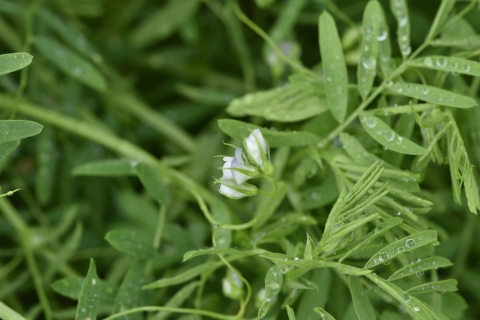
Rich in protein and naturally gluten-free, lentils meet a number of human food requirements. Able to fix atmospheric nitrogen from the soil and the air, lentils require no nitrogen fertilizer and can restore nitrogen to the following crop. Sown between February and April and harvested in July, lentils can be used to diversify crop rotations and break the cycle of pests and diseases affecting other crops.
Projects
Every year, Terres Inovia participates in or coordinates several national, European and international calls for projects on various themes.
-
Colza
Tournesol
Pois de printemps
Pois d'hiver
Pois chiche
Lentille
Soja
Chanvre
Féverole d'hiver
Féverole de printemps
Lin d'hiver
Lin de printemps
Lupin d'hiver
Lupin de printemps
Cameline
Biodiversité
Herbi1&NoPhy
Experimenting with agroecological systems for pesticide use as a last resort
Project sheet
Towards carbon neutrality with farms
Lorem ipsum dolor sit amet, consectetur adipiscing elit. Sed non risus. Suspendisse lectus tortor, dignissim sit amet, adipiscing nec, ultricies sed, dolor. Cras elementum ultrices diam. Maecenas ligula massa, varius a, semper congue, euismod non, mi. Proin porttitor, orci nec nonummy molestie,…Events
Upcoming cameline events
-
Colza
Tournesol
Pois chiche
Lin d'hiver
Lin de printemps
Pois d'hiver
Pois de printemps
Lentille
Soja
Chanvre
Féverole d'hiver
Féverole de printemps
Lupin d'hiver
Lupin de printemps
Cameline
Maladies
Cultural assets
Diversifier son système de culture
Gérer son système de culture
Terres Inovia Technical Meeting 2026 - Blois (41)
Training
Develop your skills with camelina training courses designed and run by Terres Inovia experts.
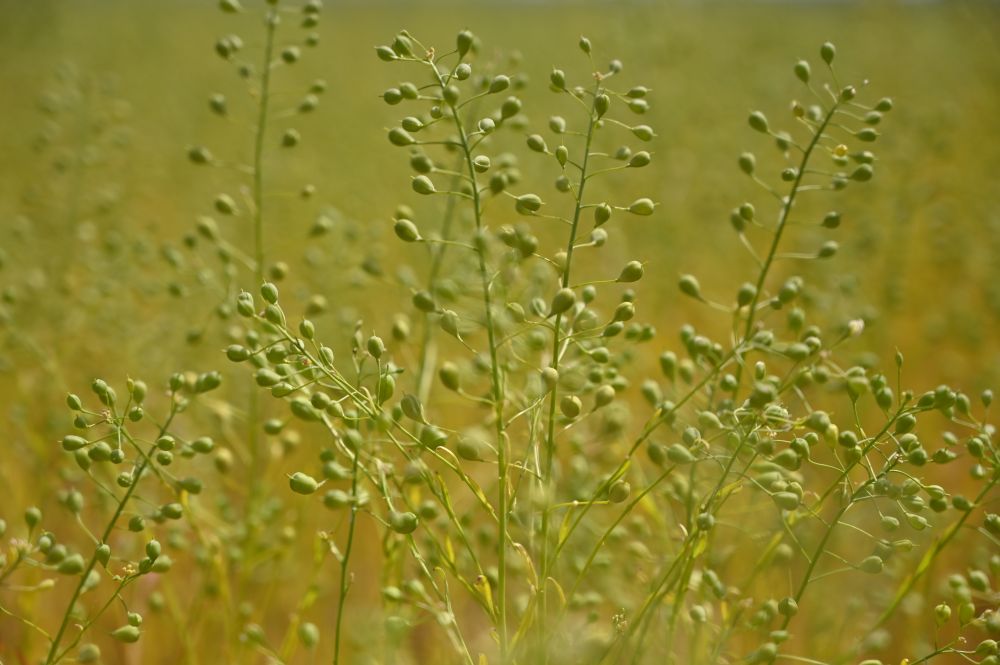
Mastering camelina cultivation
Sur devis
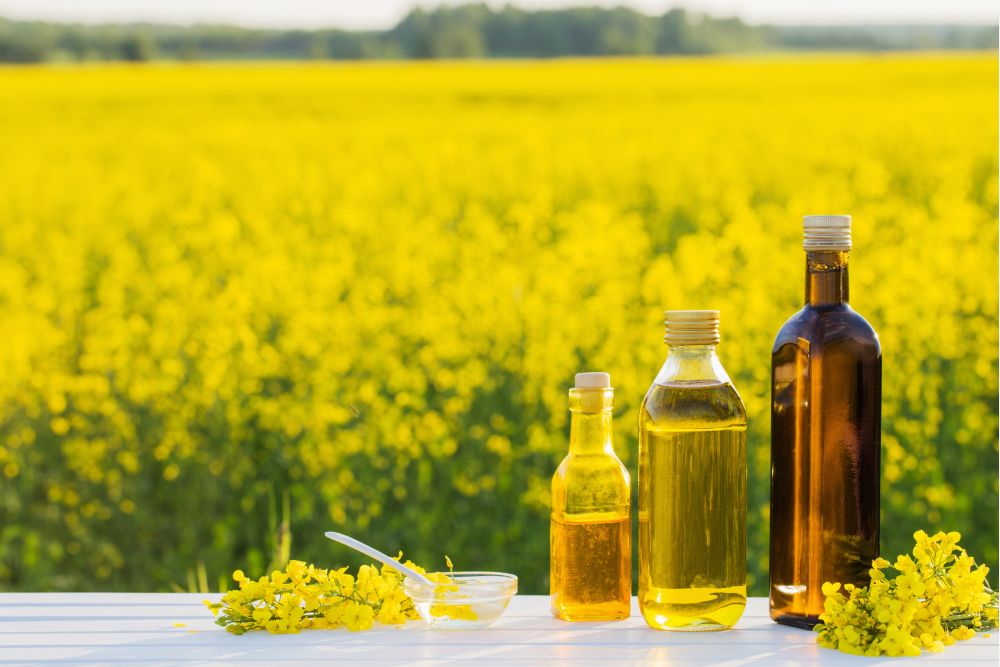
Short-circuit production of edible oil
Sur devis
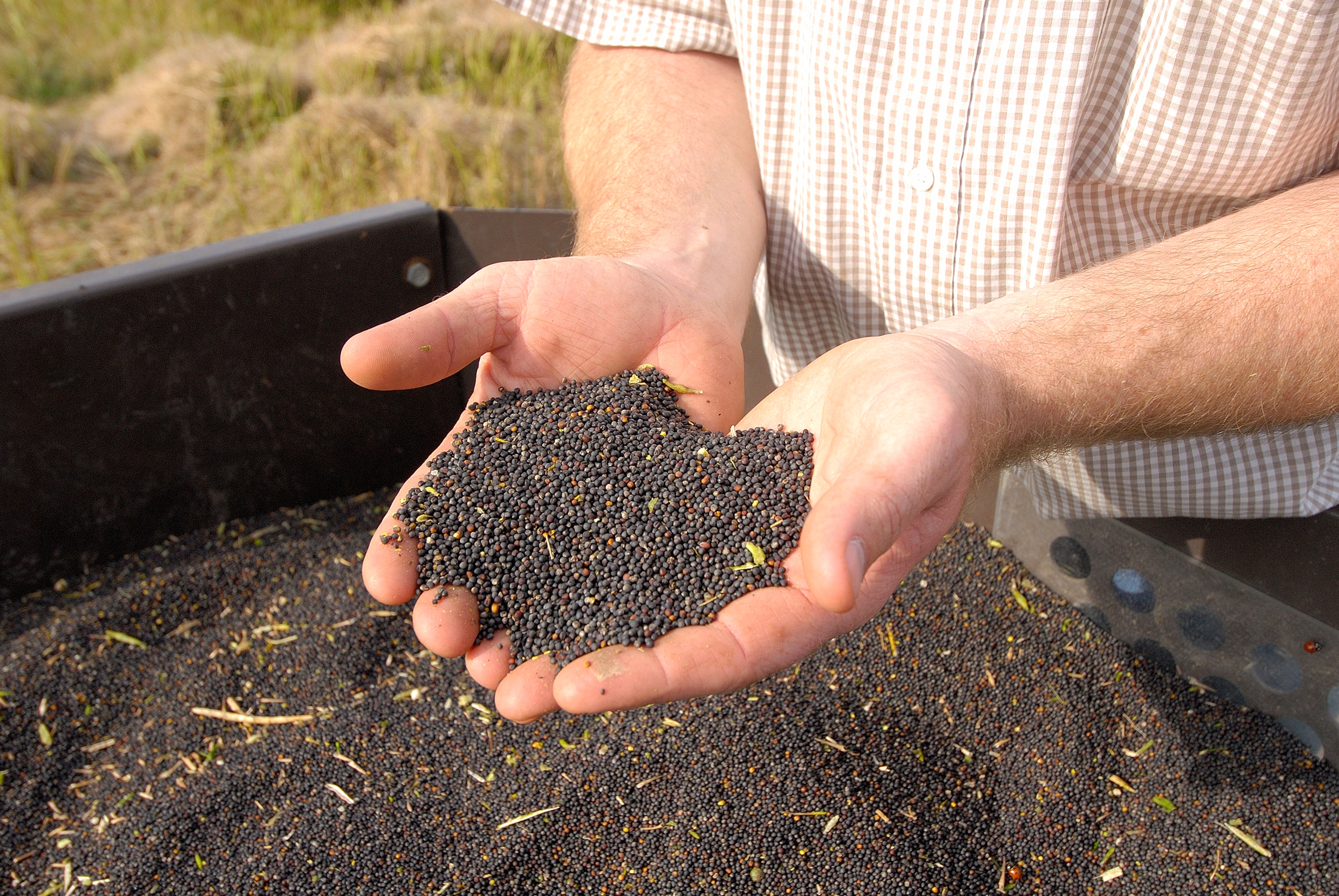
Optimization of crushing and mechanical extraction of oil-protein seeds
Sur devis
Editions
Terres Inovia can provide you with several technical publications on camelina.

Acta Phytosanitary Index 2024 (all crops)
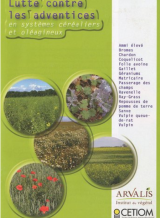
Weed control in cereal and oilseed systems
Services
Fatty acids ISO s/seeds
Method used: NF EN ISO 17059 - NF EN ISO 12966-4Fungal strain on culture medium
Supply of mycelial growth on culture medium for the fungal species described below.Price: from…Pathological diagnosis on plant material
Diagnosis by macroscopic and microscopic observation, supplemented if necessary by molecular…Weeds: characterization of sensitivity to ALS inhibitors
Research by molecular analysis (sequencing) of mutations in the acetolactate synthase gene…
Have a question? Please contact us!
If you have any questions or thoughts about our research, initiatives or projects, please don't hesitate to write to us.
Log in to contact your regional contact
If you do not wish to create an account, please use the contact form.
Key figures
hectares
protein content
*in regions where this crop is grown
Benefits

Short cycle
Lentils are a short-cycle crop (around 150 days).

Excellent precedent
Lentil is capable of fixing atmospheric nitrogen, enabling the following crop to benefit from it.

Controller
It diversifies crop rotations and breaks the cycle of pests and diseases in other crops.
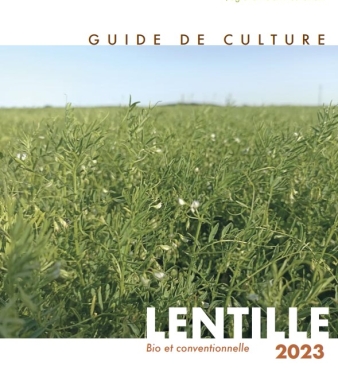
Growing guide
Divided into several thematic chapters, this conventional and organic guide provides everything you need to know about growing lentils: crop cycle, varieties, planting, fertilization, weeding, harvesting and storage. The guide highlights the advantages of lentil cultivation and provides an update on how to combat the diseases and pests that affect lentils.
Myvar
Consult and choose your oilseed and protein crop varieties.

Weeds: characterization of sensitivity to ALS inhibitors
Research by molecular analysis (sequencing) of mutations in the acetolactate synthase gene conferring resistance to ALS-inhibiting herbicides in weed populations (wild sunflower, ragweed, ammi majus, poppy, orobanche ramosa, orobanche cumana, geranium dissectum, geranium columbinum, geranium rotundifolium, sanve, ravenelle).
For each population (1 population = 1 sampling site on a given date), 5 plants are analyzed. The results are transmitted in the form of a report.
These services may be of interest to you
Building a localized supply chain
Terres Inovia can help you build a new, regionalized industry.From strategy to field…Oilseed impurities
Method used: in-house methodOilseed impurities ISO
Method used: NF EN ISO 658Water content ISO oilseeds
Method used: NF EN ISO 665Would you like a quote?
Would you like to know more about this service or receive a quote? Send us your request!