
Evaluation of legume susceptibility to aphanomyces, ascochytosis or botrytis
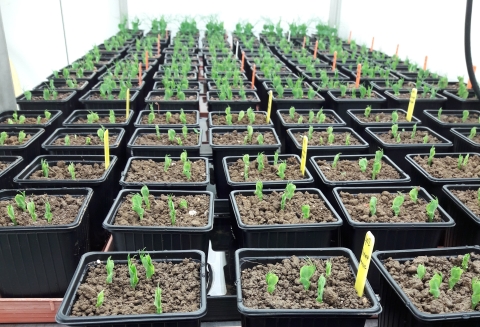
Disease susceptibility is assessed using a standardized bioassay under controlled conditions. Test varieties are inoculated with a suspension of pathogen spores, then incubated under conditions favorable to disease development. At the end of the test, the extent of symptoms is measured. Sensitivity and resistance controls are included in the test.
These services may be of interest to you
Building a localized supply chain
Terres Inovia can help you build a new, regionalized industry.From strategy to field…Oilseed impurities
Method used: in-house methodOilseed impurities ISO
Method used: NF EN ISO 658Water content ISO oilseeds
Method used: NF EN ISO 665Do you have a question?
Would you like to know more about this service or receive a quote? Send us your request!
Fungal strain on culture medium
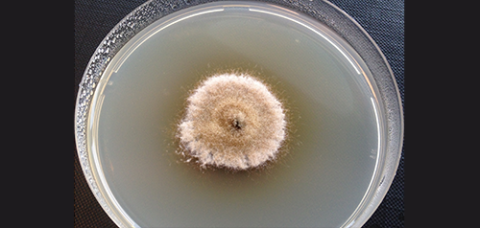
Supply of mycelial growth on culture medium for the fungal species described below.
Price: from 107€ excl. tax per strain
Alternaria brassicae, Alternaria brassicicola, Alternaria tenuissima, Aphanomyces euteiches, Aphanomyces cochlioides, Ascochyta pisi, Ascochyta fabae, Ascochyta rabiei, Botrytis cinerea, Botrytis fabae, Cladosporium sp, Cylindrosporium concentricum, Colletotrichum lini, Colletotrichum lupini, Epicoccum sp., Fusarium oxysporum, Fusarium solani, Leptosphaeria maculans, Leptosphaeria biglobosa, Leptosphaeria lindquistii, Macrophomina phaseolina, Penicillium sp., Phomopsis helianthi, Phoma medicaginis, Phomopsis phaseolorum, Rhizoctonia sp., Pythium sp., Pseudomonas syringae pv. pisi, Rhizopus sp., Sclerotinia sclerotiorum, Sclerotinia trifoliorum, Septoria linicola, Septoria glycines, Stemphyllium sp., Trichoderma sp., Verticillium dahliae, Verticillium longisporum.
These services may be of interest to you
Building a localized supply chain
Terres Inovia can help you build a new, regionalized industry.From strategy to field…Oilseed impurities
Method used: in-house methodOilseed impurities ISO
Method used: NF EN ISO 658Water content ISO oilseeds
Method used: NF EN ISO 665Would you like a quote?
Would you like to know more about this service or receive a quote? Send us your request!
Production of fungal inoculum
Supply of inoculum on barley or millet grains of the following fungal species: Sclerotinia sclerotiorum, Botrytis cinerea or Ascochyta rabiei.

These services may be of interest to you
Building a localized supply chain
Terres Inovia can help you build a new, regionalized industry.From strategy to field…Oilseed impurities
Method used: in-house methodOilseed impurities ISO
Method used: NF EN ISO 658Water content ISO oilseeds
Method used: NF EN ISO 665Would you like a quote?
Would you like to know more about this service or receive a quote? Send us your request!
Aphanomyces in peas: testing the infectious potential of a soil
A biological test is carried out on a soil sample taken from the plot.
Price: from €129 excl. tax per soil
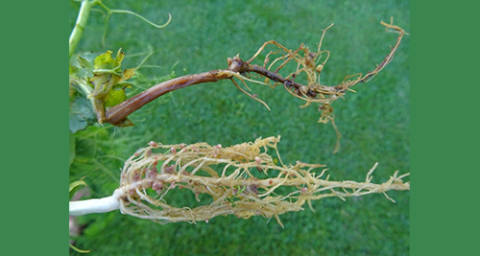
This test involves trapping the pathogen in susceptible pea plants growing in conditions favorable to the disease. The result is expressed on a scale from 0 (pathogen not detected in the sample) to 5 (heavily contaminated plot).
These services may be of interest to you
Building a localized supply chain
Terres Inovia can help you build a new, regionalized industry.From strategy to field…Oilseed impurities
Method used: in-house methodOilseed impurities ISO
Method used: NF EN ISO 658Water content ISO oilseeds
Method used: NF EN ISO 665Would you like a quote?
Would you like to know more about this service or receive a quote? Send us your request!
Pathological diagnosis on plant material
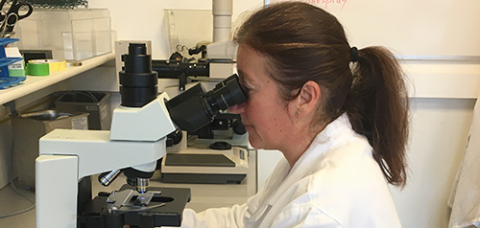
Diagnosis by macroscopic and microscopic observation, supplemented if necessary by molecular analysis and/or isolation of the pathogenic micro-organism on culture medium. The results are transmitted in the form of a report.
Price: from €268 excluding VAT
These services may be of interest to you
Building a localized supply chain
Terres Inovia can help you build a new, regionalized industry.From strategy to field…Oilseed impurities
Method used: in-house methodOilseed impurities ISO
Method used: NF EN ISO 658Water content ISO oilseeds
Method used: NF EN ISO 665Would you like a quote?
Would you like to know more about this service or receive a quote? Send us your request!
Hemp: a high-potential crop that requires careful management
Our other training courses
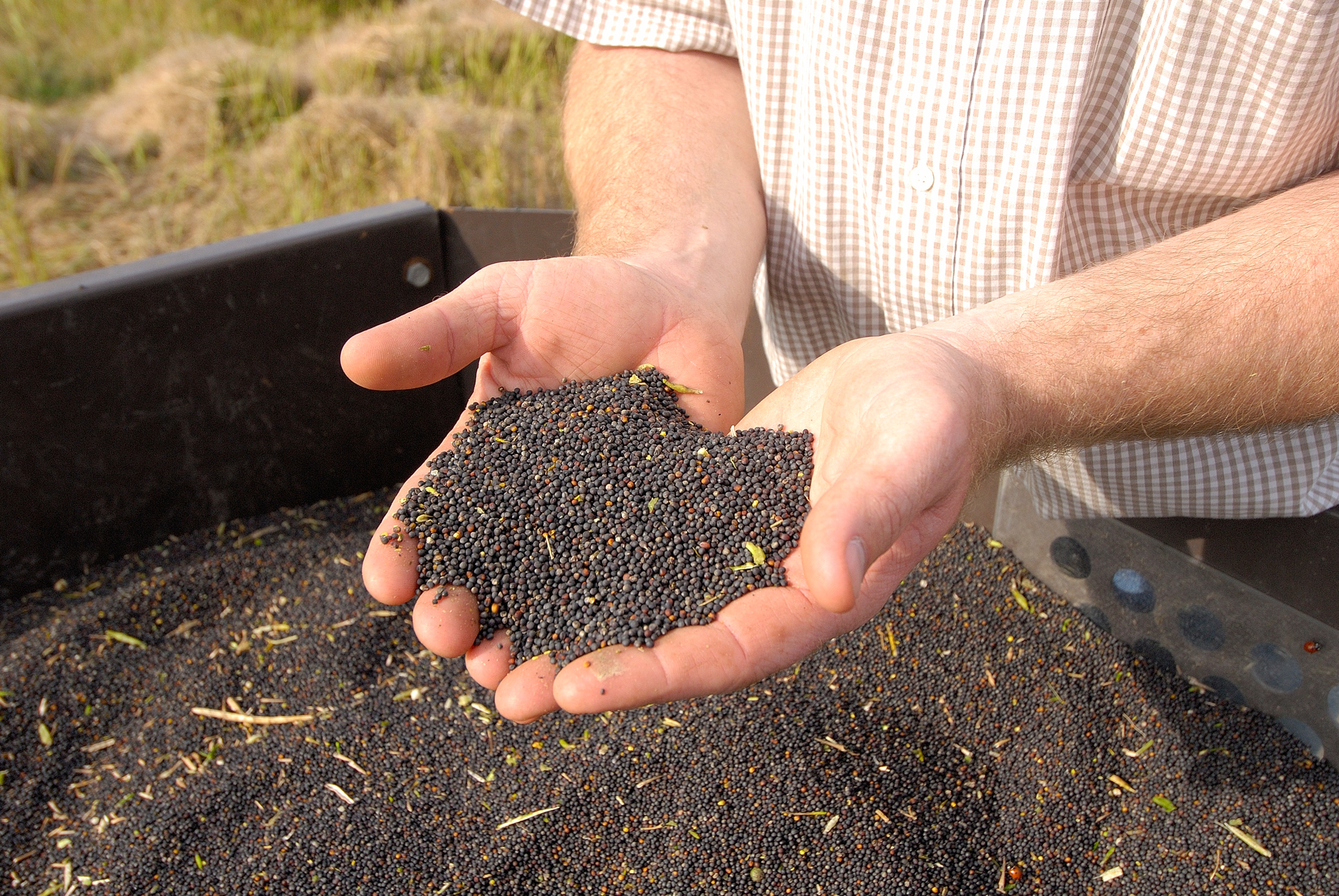
Optimization of crushing and mechanical extraction of oil-protein seeds
Sur devis
A no-input crop requiring limited fertilization, hemp responds particularly well to the mastery of basic production techniques. The expansion of outlets (construction, automotive, textiles, human food) makes hemp a crop with interesting development potential. In terms of surface area, France is currently the world's 2nd largest producer.
Program:
- Presentation of the hemp industry: history, players and organization of the sector
- Hemp outlets: Main value-added sectors (textiles, construction, food, etc.)
- Hemp physiology: Understanding the key biological elements for optimized cultivation, and adaptability to climate change.
- Specificities of hemp cultivation: Adaptation to soils, choice of varieties, water and nutrient requirements.
- Harvesting techniques: methods and equipment for efficient hemp harvesting
- Identifying the main phytosanitary problems: Damage observed on the crop and prevention strategies
At the end of the course, participants will be able to :
- Explain the organization of the hemp industry and its various stages of development
- Analyze the agronomic, economic and environmental issues involved in growing hemp
- Identify and recommend the key cultivation techniques for successful hemp cultivation for different outlets.
Theoretical presentations in the classroom: clear, concise presentations on the hemp industry, its challenges, cultivation techniques and outlets.
Discussions and debates: time for interaction between participants and the trainer to share experiences, ask questions and explore key points in greater depth.
Plot visits: hands-on observation of cultivation techniques, varieties, development stages and any phytosanitary problems.
Interactive approach: the trainer, hemp expert Louis Marie ALLARD, leads the session in a dynamic way, drawing on feedback and case studies.
Evaluation: End-of-session quiz, questions and answers, individual satisfaction survey, self-assessment.
Visual aids: illustrated presentations (diagrams, photos, graphs) to facilitate understanding of technical and economic concepts.
Pedagogical documents: handing out synthetic aids (data sheets, guides, memos) to enable participants to keep a written record of key information.
Knowledge acquisition tests: quizzes or questions and answers to assess participants' understanding and reinforce important points.
Plot visits: direct observation of crops, soils, varieties and cultivation practices, for hands-on immersion.
Development technicians, agri-supply and distribution professionals, teachers, farmers. End-of-session quiz, Q&A, individual satisfaction survey, self-positioningIf you have any requests for adaptations to help you succeed in your course, please contact the disability referent:
Christel CARO
Tel: 01 30 79 95 09
Mail: formation@terresinovia.fr
Aucun 240€ TTC 5 15 https://public.dendreo.com/4rsx27tf4npws6tp4zAwc/media/nntw98djkrbAcrl5pjxw46kbmfywgsk4mzsdmzlr3qzxcq5d475hm9brkjh279tymzkAspj5hj3v3slvknA2c9rw3zlv3yjtn3xAcmkAkf5h4pj8 1 Jour Louis-Marie ALLARD 50 Inter-company and intra-companyMastering sunflower cultivation
Our other training courses
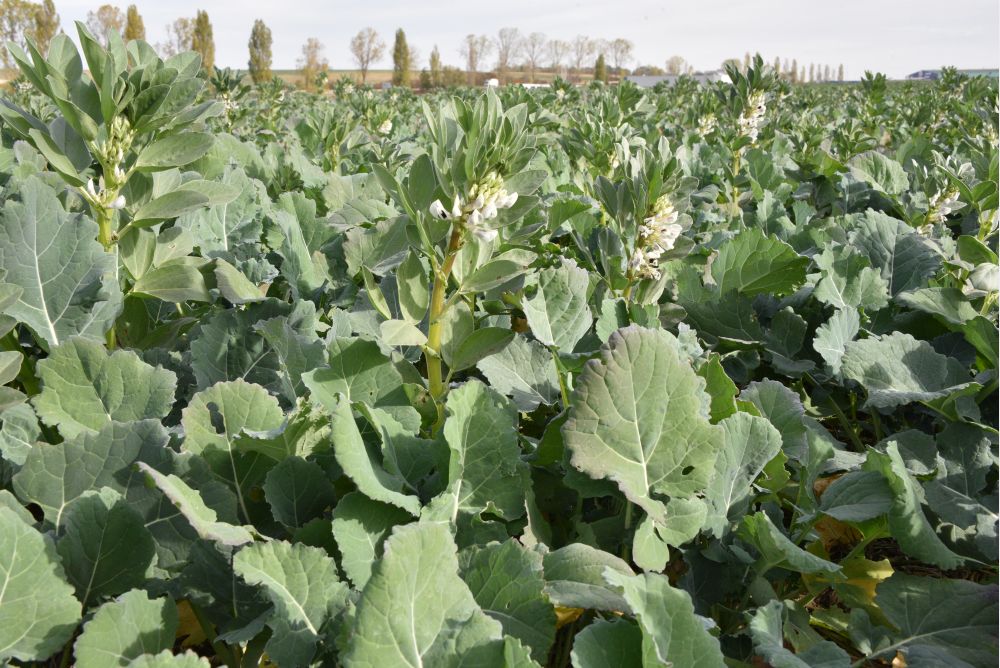
Dare to use cover crops in your cropping systems
Sur devis
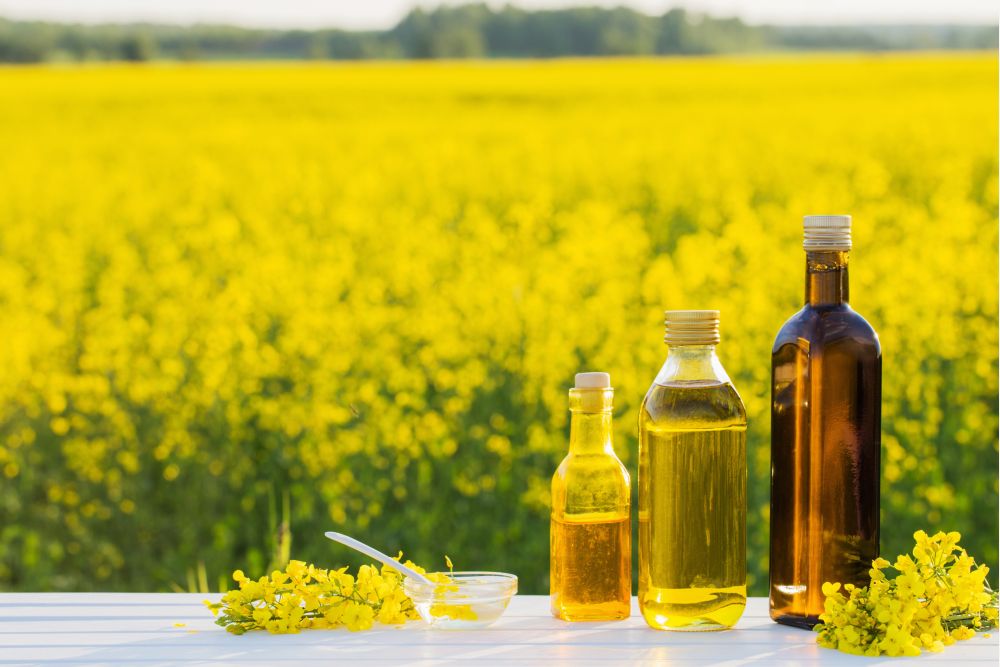
Short-circuit production of edible oil
Sur devis
Optimization of crushing and mechanical extraction of oil-protein seeds
Sur devis
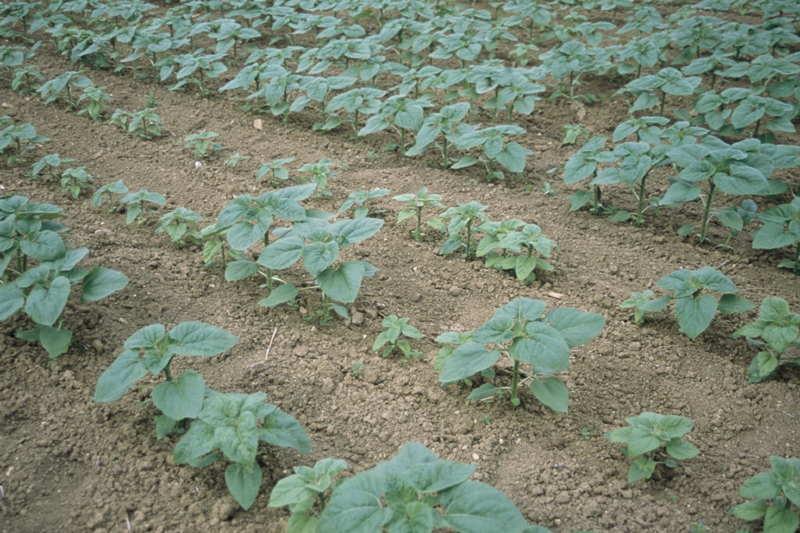
Sunflower: Decipher the diseases!
Sur devis
A sustainable, competitive crop that provides ecosystem benefits, sunflower needs to be managed carefully to achieve its full potential. This training course provides you with the technical keys and agronomic benchmarks you need to secure your itineraries and maximize field performance.
Program:
- Plant physiology: the key stages in sunflower development, and the main abiotic factors influencing yield.
- Crop management: intercropping, planting, fertilization, weed control (including post-emergence), plant protection, irrigation, harvesting
- Analysis and management of crop accidents: identification, causes, means of action
At the end of the course, participants will be able to :
- recommend the key cultivation techniques for a successful technical itinerary in sunflower
- diagnose major accidents that may occur during the crop cycle
Hybrid format:
-
Remote theory (2 hours): Technical inputs, case studies, interactive quizzes via Teams.
-
Field practice (1 day): Analysis of plots, observation of development stages, diagnosis of crop accidents, exchanges with the trainer.
Active methods: Presentations, discussions, debates, questions and answers, case studies, field diagnostics.
Evaluation: Quiz, oral questions and answers, individual satisfaction survey, self-assessment at start and end of training.
Theoretical support: Lectures, presentations, written material given to participants.
Management tools: Presentation of technical levers for adapting cropping itineraries to specific contexts.
Field visits: Observation and diagnosis in the field to analyze development stages and crop accidents.
Practical exchanges: Feedback, discussions and debates between participants and trainer to enhance learning.
Technicians from development, agri-supply and distribution organizations. Farmers. Teachers. Quizzes, oral questions and answers, individual satisfaction survey, self-assessment at the beginning and end of the courseIf you have any requests for adaptations to help you succeed in your course, please contact the disability referent:
Christel CARO
Tel: 01 30 79 95 09
Mail: formation@terresinovia.fr
Aucun 700€ TTC 5 15 https://public.dendreo.com/4rsx27tf4npws6tp4zAwc/media/jzldgwbA4zzf2qkx3v7t2ztqk8qA3Akqmjcdcyl44y7Am6syljsgyAjwjj5vsqldfn5vkpj5hjtgq9trgjjt2wcllfvtqr5qpjcvmAdmkn5h4pj8 2 Jours 49 Inter-company and intra-companyMaster the cultivation of lentils, an interesting diversification crop for your rotations!
Our other training courses
Agronomic control of chickpea and lentil cultivation in the southwest of France
Sur devis
Optimization of crushing and mechanical extraction of oil-protein seeds
Sur devis
A spring crop with many advantages, lentils lengthen rotations, break the cycle of pests and diseases, and require no nitrogen, making them particularly well-suited to the current context. Although lentils are often compared with faba beans and protein peas, they have their own specific technical itinerary, which needs to be mastered to guarantee satisfactory yields. This training course will help you to grow it successfully, whether organically or conventionally, by making the right technical choices.
Program:
- International and national context
- Lentil physiology and phenology: fundamental principles and key aspects
- Cultural management and associated decision-making rules (planting, varietal choice, crop associations, weed management)
- Harvesting techniques adapted to lentils
- Identification and management of the main damage observed on the crop
- Specific features of lentil production in organic farming
- Plot visits and practical crop analysis
At the end of the course, participants will be able to :
- Understand the international and national production context, as well as the major challenges facing the industry.
- Identify the strengths and weaknesses of the species
- Design and implement appropriate crop management: previous crops, planting, choice of inputs, etc.
- Implement and/or recommend key cultivation techniques for successful lentil cultivation in organic and conventional farming.
- Diagnose the main accidents observed in cultivation
- Define good harvesting practices
Hybrid format:
-
Theory in the classroom: Technical inputs on crop management, discussions and debates.
-
Field practice: Plot visits, observation of development stages, crop analysis in real-life conditions.
Active methods: Presentations, case studies, questions and answers, sharing of experiences between participants and trainer.
Evaluation: Quizzes, oral exchanges, individual satisfaction surveys, self-assessment.
Theoretical support: Lectures, visual presentations, written material given to participants.
Field observation: Plot visits and observation under real conditions to link theory and practice.
Practical exchanges: Feedback from experience, discussions on concrete cases encountered in the field.
Technical tools: Presentation of useful references and documents for monitoring technical developments in cultivation.
Development technicians, agri-supply and distribution professionals, teachers, farmers. Quizzes, oral exchanges, individual satisfaction surveys, self-assessment.If you have any requests for adaptations to help you succeed in your course, please contact the disability referent:
Christel CARO
Tel: 01 30 79 95 09
Mail: formation@terresinovia.fr
Aucun 480€ TTC 5 15 https://public.dendreo.com/4rsx27tf4npws6tp4zAwc/media/jnbw46rl4j1wqvjwpjgAmt63jzn2yws4pbj2ktdgn8n24663gj2g7wdsgnktqqlkjvkt3pj5h36tg6rxmy5Aymjt3ztgg75qmrbh25lwgfxvcpj8 1 Jour Zoé LE BIHAN 45 Inter-company and intra-companySoya: a strategic crop for sustainable systems
Our other training courses
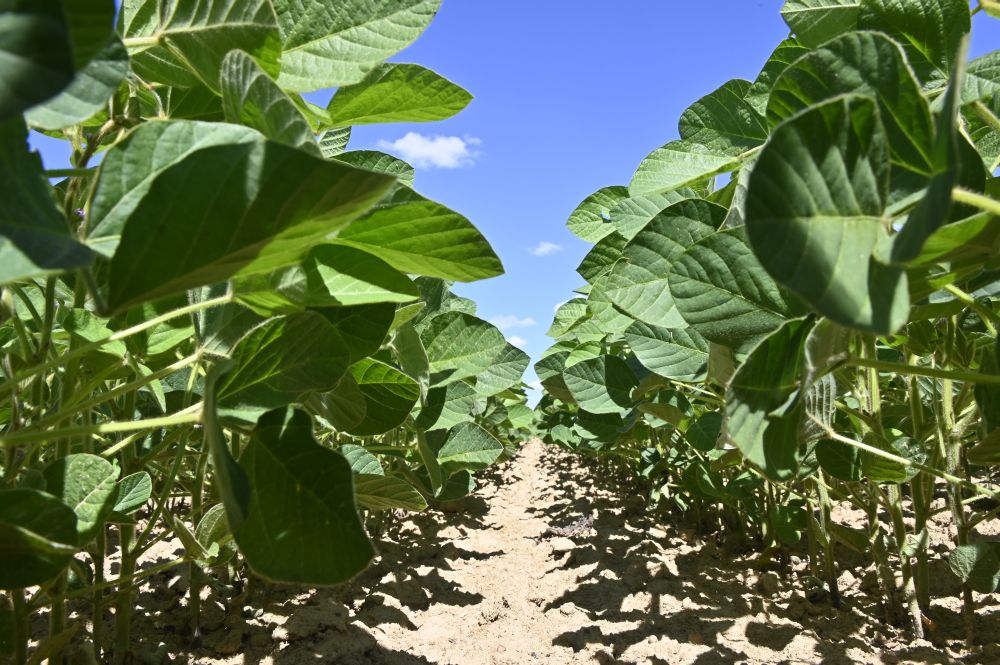
Growing soybeans successfully in the South-West
Sur devis
Optimization of crushing and mechanical extraction of oil-protein seeds
Sur devis
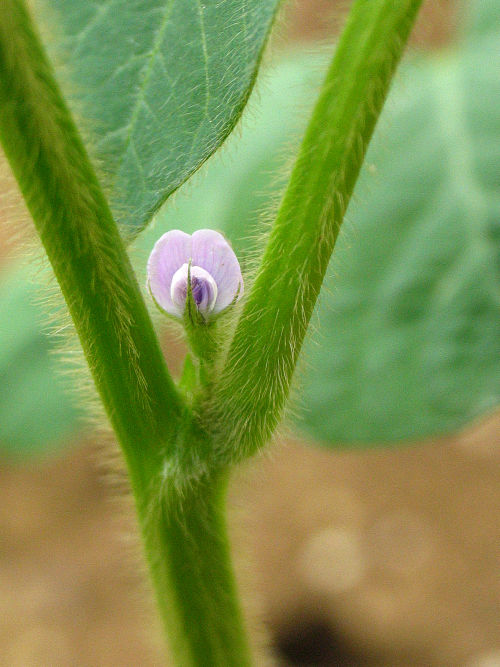
Soybeans: Diagnosing climatic accidents
Sur devis
Soya, a crop of the future to be mastered!
In a context of agro-ecological transition, soybeans are back in the spotlight thanks to their low input requirements and varied outlets. Boosted by regulatory and economic support (protein plan, MAEC, SIE...), this crop offers real opportunities in both conventional and organic farming. This training course will provide you with a comprehensive, practical technical approach to successfully manage each stage of the crop, secure your yields and make the most of your production.
The program includes
1 Plant and canopy functioning:
- Key aspects of soybean physiology and phenology
- Highlighting levers for improving yields
2 - Cultural management and associated decision-making rules:
- Planting
- Weed management
- Crop protection
- Water management
- Harvest control
3 Diagnosis of major accidents :
- Recognition of soybean pests
- Identification of root and leaf diseases
- Frequent climatic accidents
4 Approach to organic crop management
5 Soybeans in catch crops: a few indicators
At the end of the course, participants will be able to :
- Understand how plants function
- Analyze the factors influencing yield and the technical levers for optimization
- Recommend key cultivation techniques for successful soybean cultivation
- Implement good harvesting practices
- Detect and diagnose major crop failures (pests, diseases, abiotic stresses)
- Adapt crop management to the specificities of organic farming
Face-to-face format (1 day) :
-
Theoretical input via illustrated presentations and case studies.
-
Interactive exchanges between participants and trainers to share experiences and questions.
Active methods: Presentations, case studies, debates, questions and answers.
Evaluation: Quiz, Q&A, individual satisfaction survey, self-assessment.
Theoretical support: Lectures, presentations, written material given to participants.
Case studies: Feedback from the field to illustrate best practices and solutions.
Exchange of practices: Discussions and sharing between trainees and trainers.
Agricultural technicians and advisors, Farmers and producers, Agricultural teachers and trainers, Agronomic and technical sales managers in agricultural distribution, Agri-food / processing industry players Quiz, Q&A, individual satisfaction survey, self-positioning.If you have any requests for adaptations to help you succeed in your course, please contact the disability referent:
Christel CARO
Tel: 01 30 79 95 09
Mail: formation@terresinovia.fr
Aucun 480€ TTC 5 15 https://public.dendreo.com/4rsx27tf4npws6tp4zAwc/media/hbjx4nt34fAg5zdd3vdfs5c3g2vA366pj1vv2vbpm8wx2t5xjbdvczkfgn5xc6dmnfsvcpj5hjgfmrdg3f6x3Ads4bngsk6hjy6fgmjwpfd2cpj8 1 Jour 44 Inter-company and intra-companyThe basics of rapeseed cultivation
Our other training courses
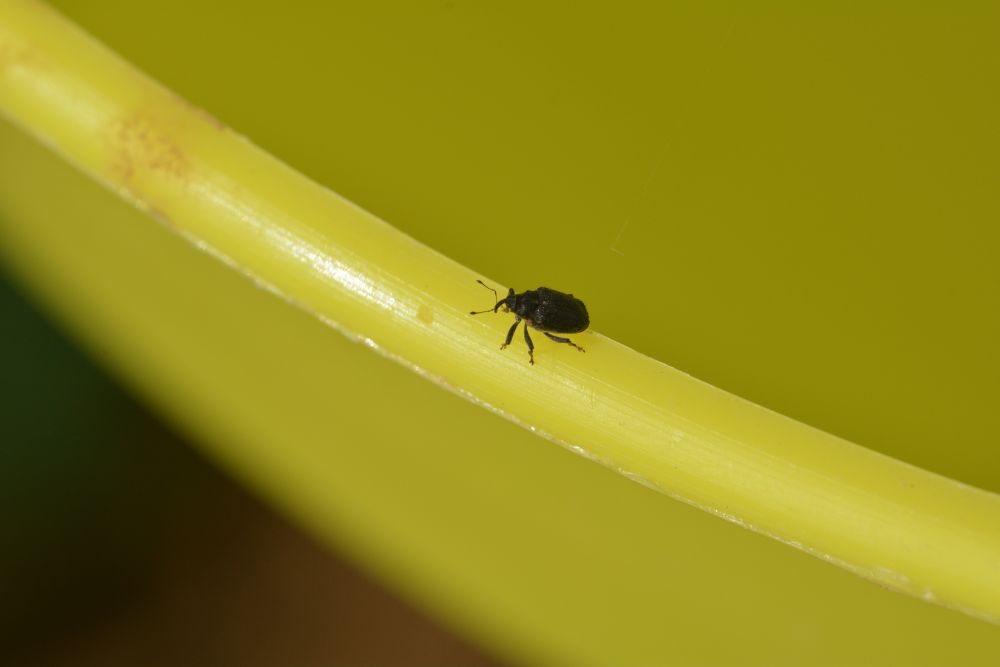
Managing insect pests in oilseed rape: towards new collective and regional approaches
Sur devis
Dare to use cover crops in your cropping systems
Sur devis
Short-circuit production of edible oil
Sur devis
Optimization of crushing and mechanical extraction of oil-protein seeds
Sur devis
As rapeseed evolves, so does your knowledge!
With the rapid evolution of varieties, technical itineraries and decision-making tools, this training course offers a complete update on how to optimize rapeseed cultivation. Whether you're an experienced technician or a beginner, you'll discover the keys to success: genetic innovations, high-performance agronomic levers and benchmarks for making the right decisions at every stage of the campaign.
Day program :
- Yield development diagram and yield components
- Influence of different cultivation techniques
- Results of trials and surveys
- Main cropping decisions and decision rules
At the end of the course, participants will be able to:
- Identify rapeseed yield components and how they are determined
- Analyze the impact of cultivation practices on crop performance
- Select the varieties and inputs best suited to their soil and climate conditions and production objectives
- Adapt technical itineraries according to development stages and conditions encountered
- Make informed decisions throughout the growing season, based on technical, economic and agronomic data.
Active teaching methods: Technical presentations, case studies, feedback, alternating between theoretical input and feedback from field experience.
Evaluation: End-of-session quiz, questions and answers, individual satisfaction survey, self-assessment.
Theoretical support: Lectures, presentations, written material given to participants.
Exchange of practices: Feedback and debates between participants and trainers.
Interactivity: Quizzes, questions and answers, live exchanges with trainers.
Digital supports: Presentations and resources handed out after each session.
Technicians from development, economic organizations and the agri-supply industry. Teachers End-of-session quiz, Q&A, individual satisfaction survey, self-assessment.If you have any requests for adaptations to help you succeed in your course, please contact the disability referent:
Christel CARO
Tel: 01 30 79 95 09
Mail: formation@terresinovia.fr
Aucun 480€ TTC 5 15 https://public.dendreo.com/4rsx27tf4npws6tp4zAwc/media/gvhtcAdgnndxqAlgg8vAks6n3j6fg9tsj8vg4kzpmnxf4qk2gfhtmAsqkbyg5yzz4zcAspj5hjyAg9k5hbAg4sttlb3A4v544ncAwtcrljvAcpj8 1 Jour 40 Inter-company and intra-company