
Consult the latest issue of Arvalis & Terres Inovia infos
All four editions of the January 2026 issue of Arvalis & Terres Inovia infos are available online.
Les quatre éditions du numéro d'Arvalis & Terres Inovia infos de janvier 2026 sont disponibles et consultables en ligne.
Tournesol et oléoprotéagineux
- Tournesol : les variétés évaluées par Terres Inovia en 2025
- Implantation du tournesol : viser une levée avant le 1er mai
- Tournesol sauvage : faire front commun pour en venir à bout !
- Légumineuses de printemps : surveiller les thrips, sitones et pucerons dès la levée
- Pois et féveroles : les solutions disponibles pour protéger
Bonne lecture !
Les quatre éditions consultables en ligne
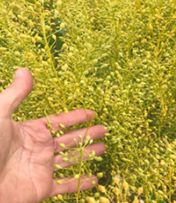
Mastering camelina cultivation
Our other training courses
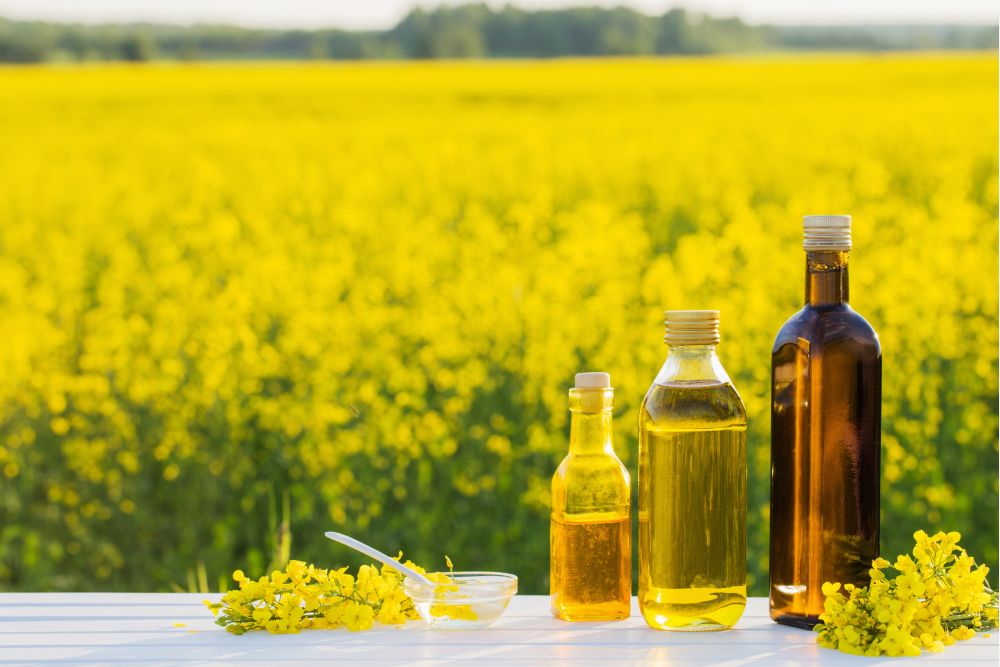
Short-circuit production of edible oil
Sur devis
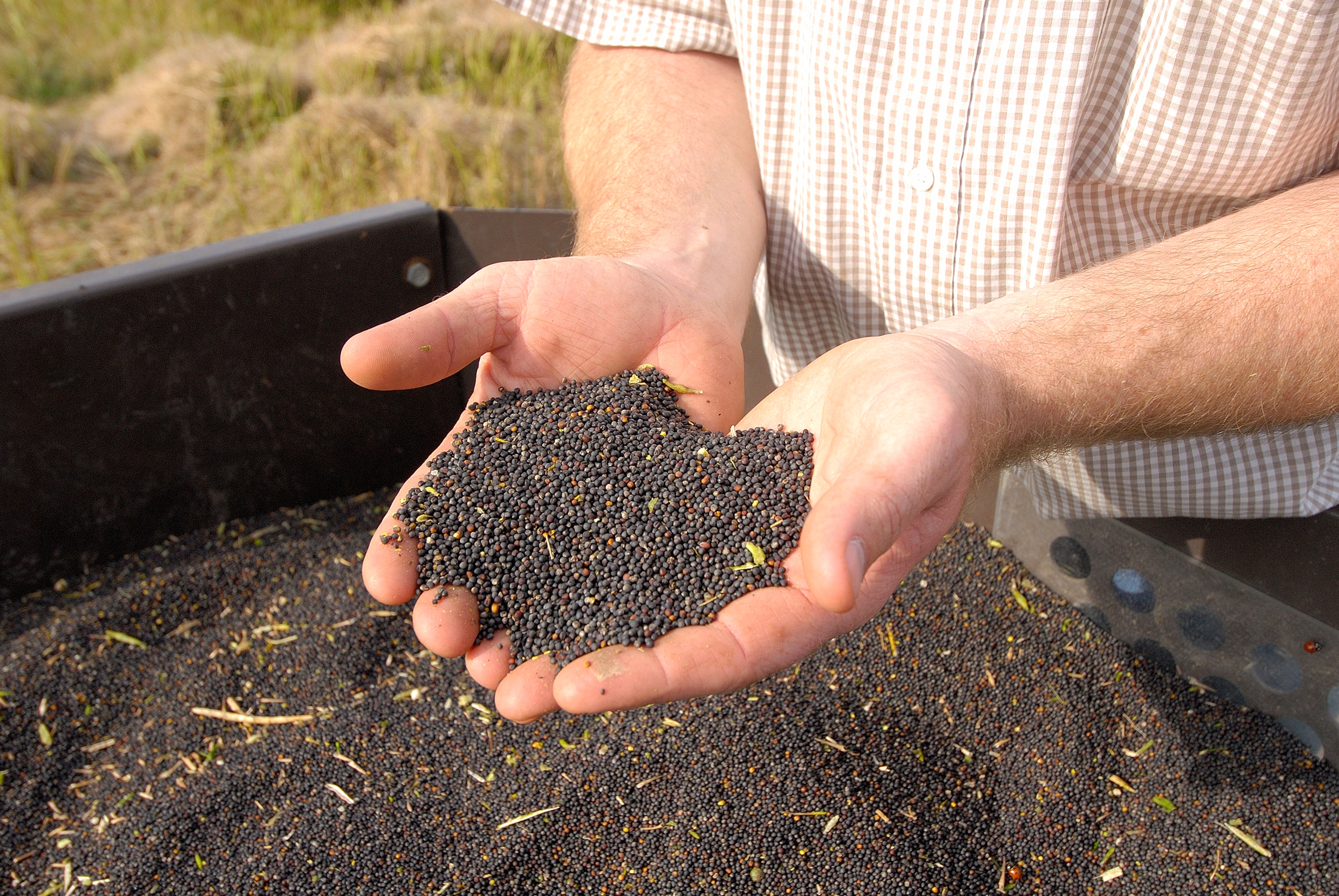
Optimization of crushing and mechanical extraction of oil-protein seeds
Sur devis
Camelina: transforming a diversification crop into a technical and economic opportunity.
Boosted by a rapidly expanding market, camelina requires precise control of its cultivation itinerary if it is to achieve its full potential. This training course offers a complete technical and economic approach to successfully integrating camelina into cropping systems.
The program includes
1. camelina: basics and challenges
- Origin, development cycle and agronomic characteristics
- Crop strengths and positioning in cropping systems
2. market opportunities and value-adding framework
- Main outlets: sustainable fuels, food and feed, cosmetics, industrial uses
- Regulatory context
3.camelina technical itineraries
- Conditions for success and choice of plot
- Planting and varietal selection
- Fertilization and weed management
- Pest and disease management
- Adapting the itinerary to the type of crop: main crop, summer or winter catch crop, intercropping
4 Harvesting and securing production
- Key harvesting principles and settings
- Mowing and raking
5.camelina in organic farming
- Agronomic benefits
- Technical specificities and outlets
6.economic performance
- Comparison of margins according to technical itineraries
- Economic analysis at crop system level
7.field diagnosis
- Observation of plots and/or trials
- Collective analysis of situations encountered
At the end of the course, participants will be able to :
- Understand the agronomic, economic and regulatory issues involved in growing camelina.
- Identify the various outlets for camelina and their requirements
- Recommend key cultivation techniques for successful camelina production, whatever the cropping method (main crop, catch crop, combination, organic farming).
- Adapt camelina technical itineraries to soil and climate conditions and to production objectives.
Face-to-face format with a field component (depending on conditions and training period):
-
Theoretical classroom input: Presentation of the crop, its outlets and technical itineraries (main crop, catch crop, combination), illustrated by trial results and concrete case studies.
-
Field observation: Analysis of real-life situations in plots and observation of trials to carry out collective diagnoses and illustrate technical levers.
Active methods: Presentations, case studies, practical exchanges, questions and answers, applied diagnostics.
Assessment: Quiz to validate knowledge acquired, questions and answers throughout the course, self-assessment by participants, individual satisfaction survey.
Theoretical support: Presentations, lectures, regulatory texts and summary documents given to participants.
Case studies: Real-life situations based on experimental results and feedback from the field, analyzed collectively.
Practical exchanges: Sharing of experiences between participants and trainers to enrich technical analysis and diagnoses.
Technicians, agricultural advisors, farmers, agents of structures working with camelina for biofuel production Q&A, quiz, individual satisfaction survey, self-positioningIf you have any requests for adaptations to help you succeed in your course, please contact the Disability Advisor:
Christel CARO
Tel: 01 30 79 95 09
Mail: c.caro@terresinovia.fr
Aucun 0€ TTC https://public.dendreo.com/4rsx27tf4npws6tp4zAwc/media/gfrAAzkxhf8c94jzkv3cwrjykzwAAy6wmr6g35lfhbtxAtlknzlg34klk1yhmrtl4nc2kpj5hjrA4AjA4rwhAmtsf8jv44dt3fwAq6sAm27fcpj8 1 Jour 102 Intra-entrepriseManaging insect pests in oilseed rape: towards new collective and regional approaches
Our other training courses
Dare to introduce cover crops into your cropping systems
Sur devis
Short-circuit production of edible oil
Sur devis
The basics of rapeseed cultivation
Sur devis
Optimization of crushing and mechanical extraction of oil-protein seeds
Sur devis
Faced with insecticide resistance and increased pressure from rapeseed pests, new strategies are emerging: agronomic levers (trap intercropping, favorable habitats), biological regulation and collective action. This training course presents concrete feedback on how to design effective territorial approaches, integrating auxiliaries and mobilizing farmers around agroecological objectives.
The program includes
1. foundations and benefits of collective approaches :
- Introduction to the ecological requirements of a few functional groups of beneficials (insect pollinators, flying predators, parasitoid Hymenoptera).
- Opportunities offered by collective and territorial approaches to agro-ecological insect management (pests and auxiliaries)
- Concrete example of the implementation of a concerted management strategy in a 1300 ha area where insect management is an issue, involving 10 farmers wishing to move towards a gradual elimination of insecticide applications.
2 Support and assessment of collective dynamics
- Keys to success and points to watch out for in order to successfully support farmers in territorial agro-ecological crop pest management projects.
- How to evaluate a territorial project?
The examples presented will be drawn from our experience in pilot territories and as part of multi-year observatories. They will be based on our knowledge of interactions between rapeseed pests and their main natural enemies, parasitoid Hymenoptera, and also on our knowledge of interactions between pollinating insects and plant species.
At the end of the course, participants will be able to :
- Explain the value of collective and territorial approaches to the management of insect pests and crop protection agents.
- Mobilize lessons learned from Terres Inovia's experience with territorial agro-ecological pest management projects
- Use tools, methods and keys to successfully support farmers in this type of approach
- Identify technical levers for limiting insect damage without insecticides, applicable on a territorial scale according to their advantages and limitations (controlled trap intercropping, biological control through habitat conservation).
100% digital format: Remote training, accessible from any connected computer.
Active pedagogy: Technical presentations, case studies, feedback.
Evaluation: End-of-session quiz, questions and answers, individual satisfaction survey, self-assessment.
Online session: 3 hours of training on Teams, led by an expert engineer from Terres Inovia.
Theoretical support: Presentations, technical documents
Interactivity: Quizzes, questions and answers, live exchanges with the trainer.
Digital support: Presentation and resources provided.
Agricultural technicians and advisors, network coordinators, agricultural teachers and trainers, and more generally anyone wishing to support a group of farmers on issues relating to the transition of their systems. End-of-session quiz, Q&A, individual satisfaction survey, self-assessment.If you have any requests for adaptations to help you succeed in your course, please contact the disability referent:
Christel CARO
Tel: 01 30 79 95 09
Mail: c.caro@terresinovia.fr
Aucun 240€ TTC 5 15 https://public.dendreo.com/4rsx27tf4npws6tp4zAwc/media/n2xswtslknghc55d4zkAkr6lgj6vg6sgnnbtc6twkzsdcmclnvAvA7kn48jA24djknbvkpj5hjzv1r6v3jddqvtbpjydq7tbmfzgs55np3yg4pj8 1 Jour Nicolas CERRUTTI 96 Inter-company and intra-companySuccessful pea and faba bean crops in the South-West
Our other training courses
Dare to introduce cover crops into your cropping systems
Sur devis
Optimization of crushing and mechanical extraction of oil-protein seeds
Sur devis
Diagnosing and managing pea and faba bean diseases
Sur devis
Peas and faba beans: make the most of their potential in South-West systems
Crops with high agronomic and economic value, peas and field beans play a key role in rotations in the South-West. Adapted to the region's varied soils and climatic constraints, they can be used to diversify crop rotations while reducing inputs. To get the best out of them, careful management is essential: choice of plot, varieties, technical itinerary... This training course will guide you step-by-step in securing and optimizing these crops in your local context.
Program:
1. understanding how crops work in the South-West of France
- Pea and faba bean physiology: key stages, environmental requirements
- Agronomic, environmental and economic advantages in the regional context
2. crop management adapted to local conditions and associated decision rules
- Varietal selection adapted to the South-West climate
- Planting and sowing density according to regional soil types
- Phytosanitary protection: specific issues (Aphanomyces, Sclerotinia, aphids, etc.)
3 Diagnosis and management of hazards
- Identification of the main crop accidents observed in the region
4.value-adding and outlets
- Specific regional outlets (human food, export, local animal sectors)
- Storage and sorting strategies adapted to South-West markets
5.performance and sustainability
- Technical and economic analysis of itineraries in a local context
- Input reduction, nitrogen savings and benefits for the following crop
At the end of the course, participants will be able to :
- Identify the key success factors for pea and faba bean cultivation in the pedoclimatic context of the South-West,
- Choose and adapt technical itineraries according to soil, climate and local sanitary pressures,
- Diagnose the main crop failures in regional conditions,
- Assess the economic and environmental performance of these crops in a localized context.
Theoretical input: technical and scientific presentations adapted to the pedoclimatic context of the South-West.
Case studies: analysis of real situations encountered by farmers in the region.
Feedback from field experience: sharing of practices and solutions tried and tested by participants and trainer.
Interactive exchanges: time for questions, discussions and sharing between professionals.
Plot visit or field diagnosis (depending on the season): practical application of knowledge in the field.
Evaluation: quiz, questions and answers and individual satisfaction survey to measure skills acquisition.
The course is led by Quentin LAMBERT, a regional expert, guaranteeing local roots and a precise response to the specific challenges of the area.
Teaching aids: technical and summary documents given to participants (memo sheets, illustrated presentations, practical guides).
Visual illustrations: diagrams, photos and concrete examples to facilitate understanding of technical itineraries and diagnostics.
Case studies: analysis of real-life situations, diagnosis of crop accidents, and technico-economic performance studies.
Plot visits (where possible): direct observation of crops, soils and cultivation practices in real-life conditions.
Agricultural technicians and advisors, Farmers and producers, Agricultural teachers and trainers, Agronomic and technical sales managers in agricultural distribution, Agri-food / processing industry players Quizzes, Q&As and individual satisfaction surveys to measure skills acquisitionIf you have any requests for adaptations to help you succeed in your course, please contact the disability referent:
Christel CARO
Tel: 01 30 79 95 09
Mail: c.caro@terresinovia.fr
Aucun 480€ TTC 5 15 https://public.dendreo.com/4rsx27tf4npws6tp4zAwc/media/3zhAs6dljryA97bykjsc9ssnlfzgczs537vswwsxpf6wqwthpbyvc9kyk2y2s6dvpfA2spj5hjjvcvcyj7yA78jwmrrs976cgjzgmn6ynzrx4pj8 1 Jour Quentin LAMBERT 95 Inter-company and intra-companyAgronomic control of chickpea and lentil cultivation in the southwest of France
Our other training courses
Master the cultivation of lentils, an interesting diversification crop for your rotations!
Sur devis
Optimization of crushing and mechanical extraction of oil-protein seeds
Sur devis
Integrating lentils and chickpeas into your crop rotations: a strategic agronomic choice
Lentils and chickpeas are economical, high-performance crops that improve soil fertility, break pest and disease cycles and offer secure outlets. Adapted to the pedoclimatic context of the South-West of France, the training course offers theoretical contributions and visits to master technical itineraries and integrate these legumes in a sustainable way.
Program:
1 Introduction to legumes:
- Definition of legumes and how they work,
- Role of legumes in soil fertilization and crop rotation.
2 - Lentil management in the South-West of France
- Agronomic characteristics: spring species, low-input crop
- Typologies (blond, coral, green) and value-adding opportunities
- Adapting the technical itinerary to regional constraints: soil types, water availability, temperatures, etc.
- Planting, varietal selection, cultural management, fertilization, protection
- Harvesting: optimal conditions, equipment settings
3. chickpea management in south-west France
- Agronomic, environmental and economic benefits
- Regionalized technical itinerary: choice of sowing dates, densities, management in dry conditions, harvesting, storage and contracting.
- Management of pests and diseases specific to the region
4 Focus on organic farming
At the end of the course, participants will be able to :
- Explain the agronomic functioning of lentil and chickpea crops
- Identify their agronomic, economic and environmental benefits
- Choose species and varieties suited to the soil and climate conditions of the South West of France
- Implement rational crop management: planting, fertilization, weed and pest management
- Diagnose the main crop accidents
- Apply good harvesting and post-harvest practices
- Integrate the specificities of organic farming into the local context
Face-to-face format:
-
In-class technical input: presentations, case studies, interactive discussions
-
Practical application in the field: plot visits, crop observation, etc.
Active methods: Illustrated presentations, debates, questions and answers, feedback
Evaluation: Quizzes, questions and answers, application exercises, individual satisfaction survey, self-assessment
Theoretical support: Lectures, visual presentations, written material given to participants.
Field visits: Analysis of lentil and chickpea crops in real-life conditions, identification of key technical points.
Practical exchanges: Feedback from field experience and group discussions with the trainer.
Advisors/Technicians from development, economic and agri-supply organizations. Teachers. Farmers Quiz, Q&A, application exercise, individual satisfaction survey, self-positioningIf you have any requests for adaptations to help you succeed in your course, please contact the disability referent:
Christel CARO
Tel: 01 30 79 95 09
Mail: c.caro@terresinovia.fr
Aucun 480€ TTC 5 15 https://public.dendreo.com/4rsx27tf4npws6tp4zAwc/media/lbtwyvkbn8bvqvbt4nyx2slplj6xg7zlk8vvm56Aknkx47tzmzcdm9shmA7f1ndcl2zt1pj5hjz2yvd3388238ldn8zwszktg8ctq9jrgbfAcpj8 1 Jour Quentin LAMBERT 94 Inter-company and intra-companyGrowing soybeans successfully in the South-West
Our other training courses
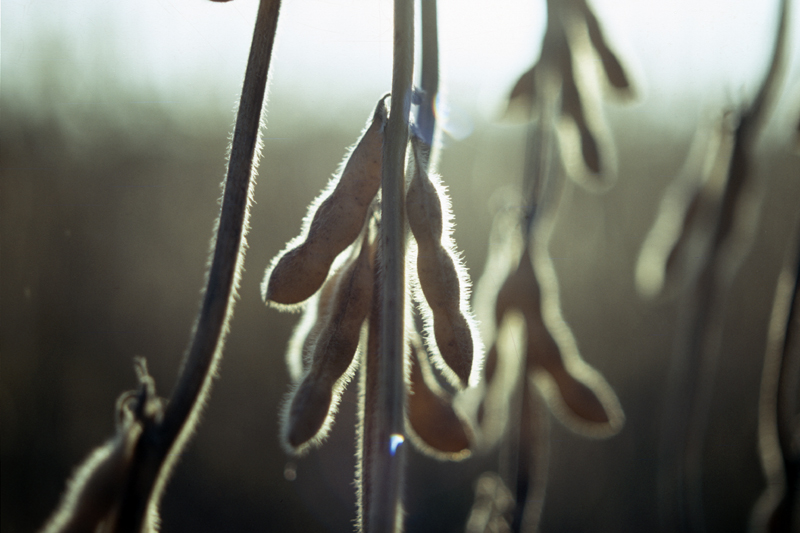
Soya: a strategic crop for sustainable systems
Sur devis
Optimization of crushing and mechanical extraction of oil-protein seeds
Sur devis
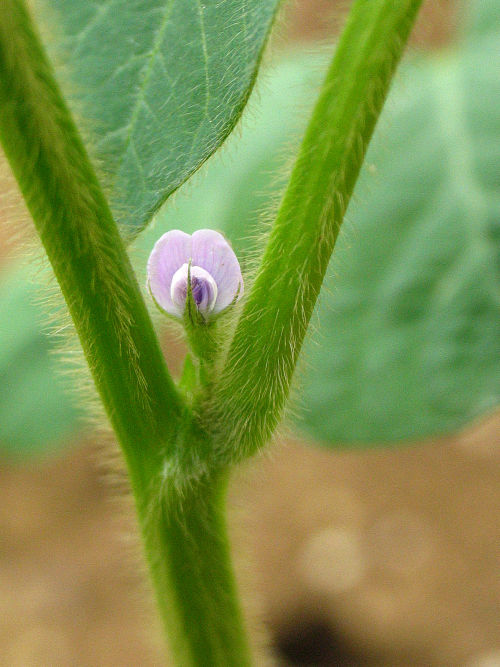
Soybeans: Diagnosing climatic accidents
Sur devis
Soya, a crop of the future to be mastered!
In a context of agro-ecological transition, soybeans are back in the spotlight thanks to their low input requirements and varied outlets. Boosted by regulatory and economic support (protein plan, MAEC, SIE...), this crop offers real opportunities in both conventional and organic farming. This training course will provide you with a comprehensive, practical technical approach to successfully manage each stage of the crop, secure your yields and make the most of your production.
The program includes
1 Plant and canopy functioning:
- Key aspects of soybean physiology and phenology
- Highlighting levers for improving yields
2 - Cultural management adapted to the South-West :
- Planting
- Weed management
- Crop protection
- Water management
- Harvest control
3 Diagnosis of major accidents :
- Recognition of soybean pests
- Identification of root and leaf diseases
- Frequent climatic accidents in the South West
4 Approach to organic crop management
5 Soybeans grown as catch crops: a few indicators
At the end of the course, participants will be able to :
- Understand how plants function
- Analyze the factors influencing yield and the technical levers for optimization
- Recommend key cultivation techniques for successful soybean cultivation
- Implement good harvesting practices
- Detect and diagnose major crop failures (pests, diseases, abiotic stresses)
- Adapt crop management to the specificities of organic farming
Face-to-face format (1 day) :
-
Theoretical input via illustrated presentations and case studies.
-
Interactive exchanges between participants and trainers to share experiences and questions.
Active methods: Presentations, case studies, debates, questions and answers.
Evaluation: Quiz, Q&A, individual satisfaction survey, self-assessment.
Theoretical support: Lectures, presentations, written material given to participants.
Case studies: Feedback from the field to illustrate best practices and solutions.
Exchange of practices: Discussions and sharing between trainees and trainers.
Agricultural technicians and advisors, Farmers and producers, Agricultural teachers and trainers, Agronomic and technical sales managers in agricultural distribution, Agri-food / processing industry players Quiz, Q&A, individual satisfaction survey, self-positioning.If you have any requests for adaptations to help you succeed in your course, please contact the Disability Advisor:
Christel CARO
Tel: 01 30 79 95 09
Mail: c.caro@terresinovia.fr
Aucun 480€ TTC 5 15 https://public.dendreo.com/4rsx27tf4npws6tp4zAwc/media/lb3t1nsqnr5tqs6b383h1wkAfn5wqnlkj7629vjlkb625ndfnzhgg66vgn2gkmszjyvwgpj5hj2v256hjnsw97t43vbtsAzzmvdfgytznvgx4pj8 1 Jour Quentin LAMBERT 93 Inter-company and intra-companyEvaluation of the natural regulation of insect pests
Molecular analysis to determine the parasitism rate of an insect pest population.
Analysis is carried out on 90 larvae per population (1 population = 1 sampling site on a given date).
Each individual is analyzed individually: DNA extraction and parasitoid detection/identification by HRM.
The results are transmitted in the form of a report presenting, for each population, the proportion of parasitized insects and the genera of parasitoid Hymenoptera detected (Tersilochus, Diospilus, Aneuclis, Trichomalus...).
These services may be of interest to you
Building a localized supply chain
Terres Inovia can help you build a new, regionalized industry.From strategy to field…Oilseed impurities
Method used: in-house methodOilseed impurities ISO
Method used: NF EN ISO 658Water content ISO oilseeds
Method used: NF EN ISO 665Would you like a quote?
Would you like to know more about this service or receive a quote? Send us your request!
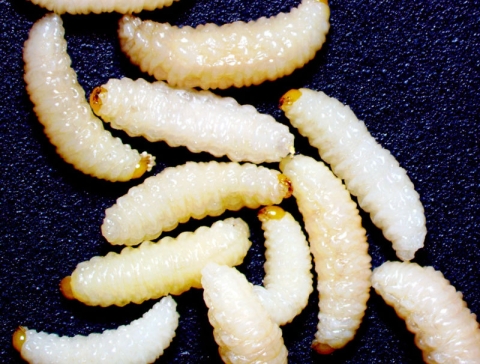
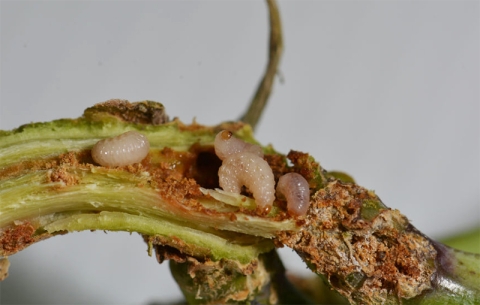
Weevils: species identification at larval stage
Analysis of a specific DNA fragment to identify different species of rapeseed weevil pests.
For each population (1 population = 1 sampling site on a given date), 20 insects are analyzed to determine the percentage of individuals of each species. The results are transmitted in the form of a report.
These services may be of interest to you
Building a localized supply chain
Terres Inovia can help you build a new, regionalized industry.From strategy to field…Oilseed impurities
Method used: in-house methodOilseed impurities ISO
Method used: NF EN ISO 658Water content ISO oilseeds
Method used: NF EN ISO 665Would you like a quote?
Would you like to know more about this service or receive a quote? Send us your request!
Insect pests: characterizing sensitivity to pyrethroids
Determination of susceptibility to lambda-cyhalothrin of populations of flea beetles, flea beetles, meligethes, different species of rapeseed weevils, and different species of bruchid beetles (faba bean, pea or lentil).
Price: From €305 excl. tax per range
For each population (1 population = 1 sampling site on a given date), insects are exposed to the insecticide to determine their sensitivity to different reference doses. A percentage mortality rate is determined for each dose tested, and an LD50 calculation is performed if results allow. The results are transmitted in the form of a report.

These services may be of interest to you
Building a localized supply chain
Terres Inovia can help you build a new, regionalized industry.From strategy to field…Oilseed impurities
Method used: in-house methodOilseed impurities ISO
Method used: NF EN ISO 658Water content ISO oilseeds
Method used: NF EN ISO 665Would you like a quote?
Would you like to know more about this service or receive a quote? Send us your request!
Price: From €305 excl. tax per range
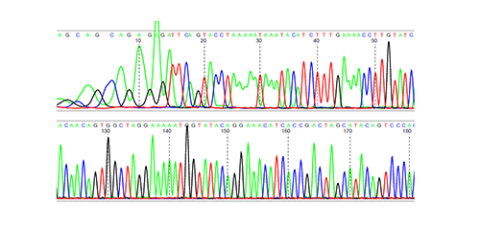
Insect pests: characterization of pyrethroid resistance by kdr mutation
Molecular analysis of mutations in the sodium channel gene responsible for reduced efficacy of pyrethroids in populations of flea beetles, codling moths, various species of rapeseed weevils and faba bean bruchids.
Price: from €147 excl. tax per population
For each population (1 population = 1 sampling site on a given date), 20 insects are analyzed to determine the percentage of individuals with a mutation. The results are transmitted in the form of a report.
These services may be of interest to you
Building a localized supply chain
Terres Inovia can help you build a new, regionalized industry.From strategy to field…Oilseed impurities
Method used: in-house methodOilseed impurities ISO
Method used: NF EN ISO 658Water content ISO oilseeds
Method used: NF EN ISO 665Would you like a quote?
Would you like to know more about this service or receive a quote? Send us your request!