
 Se connecter avec Facebook
 Se connecter avec Google
Successful pea and faba bean crops in the South-West
Our other training courses
Dare to introduce cover crops into your cropping systems
Sur devis
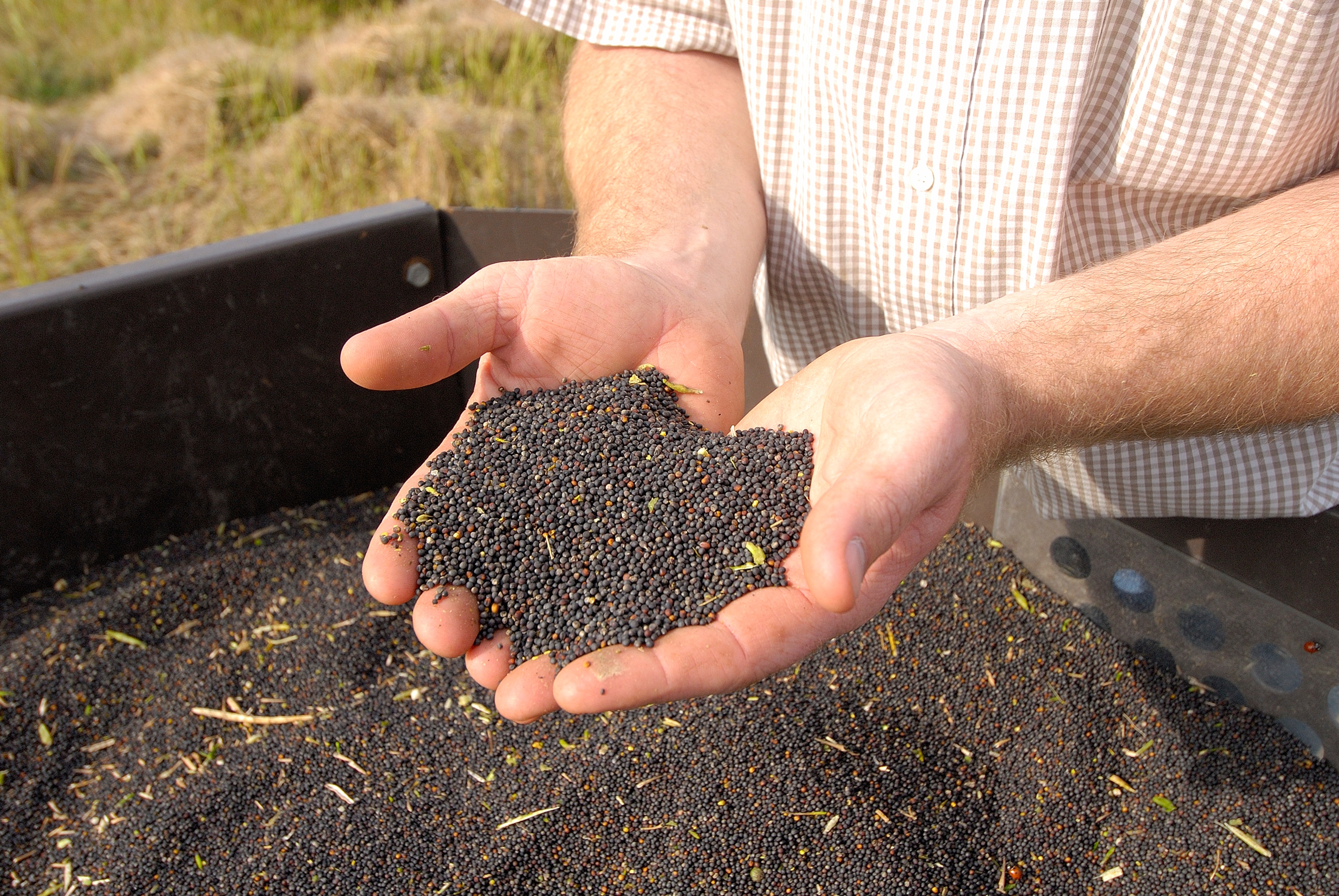
Optimization of crushing and mechanical extraction of oil-protein seeds
Sur devis

Diagnosing and managing pea and faba bean diseases
Sur devis
Peas and faba beans: make the most of their potential in south-western systems
As crops with high agronomic and economic value, peas and faba beans play a key role in south-western crop rotations. Adapted to the region's varied soils and climatic constraints, they enable crop rotation to be diversified while reducing inputs. To get the best out of them, careful management is essential: choice of plot, varieties, technical itinerary... This training course will guide you step-by-step in securing and optimizing these crops in your local context.
Program:
Understanding how crops work in the South-West of France
- Pea and faba bean physiology: key stages, environmental requirements
- Agronomic, environmental and economic advantages in the regional context
Crop management adapted to local conditions and associated decision rules
- Varietal selection adapted to the South-West climate
- Planting and sowing density according to regional soil types
- Phytosanitary protection: specific issues (Aphanomyces, Sclerotinia, aphids, etc.)
Diagnosis and management of hazards
- Identification of the main crop accidents observed in the region
Value-adding and outlets
- Specific regional outlets (human food, export, local animal sectors)
- Storage and sorting strategies adapted to South-West markets
Performance and sustainability
- Technical and economic analysis of itineraries in a local context
- Input reduction, nitrogen savings and benefits for the following crop
At the end of the course, participants will be able to :
- Identify the key success factors for pea and faba bean cultivation in the pedoclimatic context of the South-West,
- Choose and adapt technical itineraries according to soil, climate and local sanitary pressures,
- Diagnose the main crop failures in regional conditions,
- Assess the economic and environmental performance of these crops in a localized context.
Theoretical input: technical and scientific presentations adapted to the pedoclimatic context of the South-West.
Case studies: analysis of real situations encountered by farmers in the region.
Feedback from field experience: sharing of practices and solutions tried and tested by participants and trainer.
Interactive exchanges: time for questions, discussions and sharing between professionals.
Plot visit or field diagnosis (depending on the season): practical application of knowledge in the field.
Evaluation: quiz, questions and answers and individual satisfaction survey to measure skills acquisition.
The course is led by Quentin LAMBERT, a regional expert, guaranteeing local roots and a precise response to the specific challenges of the area.
Teaching aids: technical and summary documents given to participants (memo sheets, illustrated presentations, practical guides).
Visual illustrations: diagrams, photos and concrete examples to facilitate understanding of technical itineraries and diagnostics.
Case studies: analysis of real-life situations, diagnosis of crop accidents, and technico-economic performance studies.
Plot visits (where possible): direct observation of crops, soils and cultivation practices in real-life conditions.
Agricultural technicians and advisors, Farmers and producers, Agricultural teachers and trainers, Agronomic and technical sales managers in agricultural distribution, Agri-food / processing industry players Quizzes, Q&As and individual satisfaction surveys to measure skills acquisitionIf you have any requests for adaptations to help you succeed in your course, please contact the disability referent:
Christel CARO
Tel: 01 30 79 95 09
Mail: c.caro@terresinovia.fr
Aucun 480€ TTC 5 15 1 Jour Quentin LAMBERT 95 Inter-company and intra-companyGrowing soybeans successfully in the South-West
Our other training courses
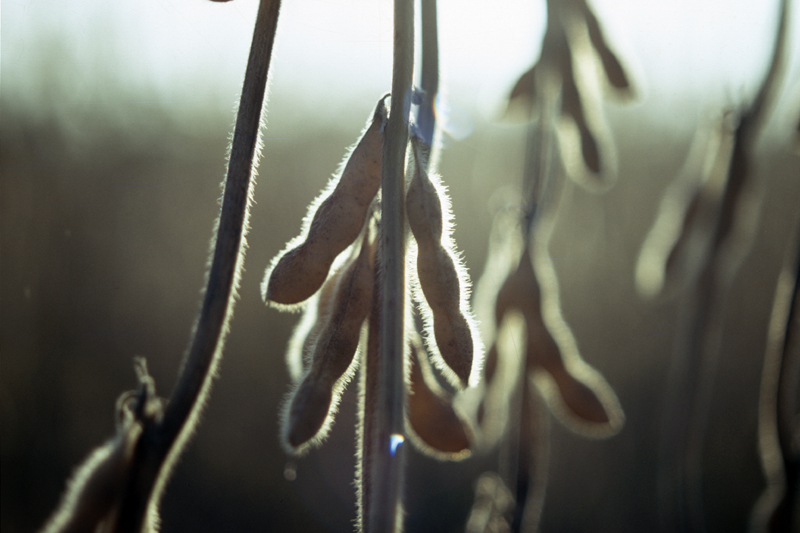
Soya: a strategic crop for sustainable systems
Sur devis
Optimization of crushing and mechanical extraction of oil-protein seeds
Sur devis
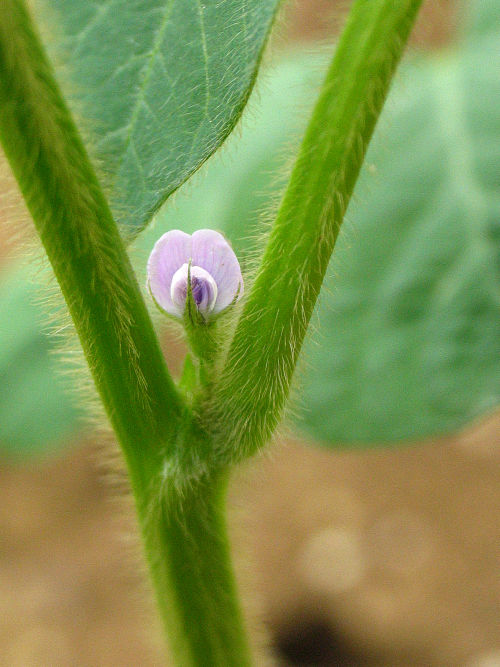
Soya: Diagnosing climatic accidents
Sur devis
Soya, a crop of the future to be mastered!
In a context of agro-ecological transition, soybeans are back in the spotlight thanks to their low input requirements and varied outlets. Boosted by regulatory and economic support (protein plan, MAEC, SIE...), this crop offers real opportunities in both conventional and organic farming. This training course will provide you with a comprehensive, practical technical approach to successfully manage each stage of the crop, secure your yields and make the most of your production.
Program:
Plant and canopy functioning:
- Key aspects of soybean physiology and phenology
- Identifying levers to improve yields
Cultural management adapted to the South-West :
- Planting
- Weed management
- Crop protection
- Water management
- Harvest control
Diagnosis of major accidents :
- Recognition of soybean pests
- Identification of root and leaf diseases
- Frequent climatic accidents in the South West
Approach to organic crop management
Soybeans in catch crops: a few indicators
At the end of the course, participants will be able to :
- Understand how plants function
- Analyze the factors influencing yield and the technical levers for optimization
- Recommend key cultivation techniques for successful soybean cultivation
- Implement good harvesting practices
- Detect and diagnose major crop failures (pests, diseases, abiotic stresses)
- Adapt crop management to the specificities of organic farming
Face-to-face format (1 day):
-
Theoretical input via illustrated presentations and case studies.
-
Interactive exchanges between participants and trainers to share experiences and questions.
Active methods: Presentations, case studies, debates, questions and answers.
Evaluation: Quiz, Q&A, individual satisfaction survey, self-assessment.
Theoretical support: Lectures, presentations, written material given to participants.
Case studies: Feedback from the field to illustrate best practices and solutions.
Exchange of practices: Discussions and sharing between trainees and trainers.
Agricultural technicians and advisors, Farmers and producers, Agricultural teachers and trainers, Agronomic and technical sales managers in agricultural distribution, Agri-food / processing industry players Quiz, Q&A, individual satisfaction survey, self-positioning.If you have any requests for adaptations to help you succeed in your course, please contact the disability referent:
Christel CARO
Tel: 01 30 79 95 09
Mail: c.caro@terresinovia.fr
Aucun 480€ TTC 5 15 1 Jour Quentin LAMBERT 93 Inter-company and intra-companyDare to introduce cover crops into your cropping systems
Direct seeding under plant cover (DMCS) combines the cessation of tillage with the establishment of permanent soil cover. Today, this is the most advanced form ofconservation agriculture.
The agronomic benefits of these techniques are major, but only become real and lasting once farmers have mastered the system. Providing participants with the keys to the success of this system is the major challenge of this course.
Theoretical part (distance learning):
- Typology of plant cover crops (annual and permanent): species, associations, agronomic benefits
- Use and presentation of the ACACIA tool
- Construction of a coherent SDCV technical itinerary
- Rationalization of rotations
- Establishing, maintaining and regulating cover crops
- Nutrition, weed, pest and disease management
- Crop associations and agronomic performance
- Economic and environmental analysis of SDCV practices
Field part ( either in Baziège (31) or in Nièvre (58)):
- Visit to SDCV plots
- Soil profile and interpretation
- Exchange of practices
At the end of the course, participants will be able to :
- Explain the agronomic functioning of a direct seeding system under permanent cover
- Identify the plant species that can be used according to their objective and the local soil and climate context
- Develop a permanent soil cover strategy adapted to their cropping system;
- Master the key factors for a successful transition to direct seeding under permanent cover (rotation, fertility, cover crop management, pest management, etc.).
- Evaluate the economic and environmental impact of using direct seeding under cover.
Hybrid format:
- Distance learning theory (2 half-days): Technical inputs, case studies, interactive quizzes.
- Field practice (1 day): Analysis of plots, interpretation of soil profiles, exchanges with practicing farmers.
Active methods: Presentations, debates, questions and answers, practical work.
Evaluation: Quiz, Q&A, individual satisfaction survey, self-assessment.
Theoretical support: Lectures, presentations, written material given to participants.
Management tool: Use and presentation for choosing and managing plant cover crops.
Plot visits: Observation and analysis of soil profiles in real-life situations.
Exchange of practices: Feedback and discussion between participants and trainers.
Farmers in a transition phase or wishing to optimize their practices; Agricultural technicians and advisors (cooperatives, chambers of agriculture, agri-supply companies); Agricultural high school teachers and agro-ecology trainers. Quiz, Q&A, individual satisfaction survey, self-positioning
If you have any requests for adaptations to help you succeed in your course, please contact the disability referent:
Christel CARO
Tel: 01 30 79 95 09
Mail: c.caro@terresinovia.fr
Aucun 960€ TTC 5 4 Jours Michael GELOEN 90 Inter-company and intra-companyMaster the cultivation of lentils, an interesting diversification crop for your rotations!
Our other training courses
Agronomic control of chickpea and lentil cultivation in the southwest of France
Sur devis
Optimization of crushing and mechanical extraction of oil-protein seeds
Sur devis
A spring crop with many advantages, lentils lengthen rotations, break the cycle of pests and diseases, and require no nitrogen, making them particularly well-suited to the current context. Although lentils are often compared with faba beans and protein peas, they have their own specific technical itinerary, which needs to be mastered to guarantee satisfactory yields. This training course will help you to grow it successfully, whether organically or conventionally, by making the right technical choices.
Program:
- International and national context
- Lentil physiology and phenology: fundamental principles and key aspects
- Cultural management and associated decision-making rules (planting, varietal choice, crop associations, weed management)
- Harvesting techniques adapted to lentils
- Identification and management of the main damage observed on the crop
- Specific features of lentil production in organic farming
- Plot visits and practical crop analysis
At the end of the course, participants will be able to :
- Understand the international and national production context, as well as the major challenges facing the industry.
- Identify the strengths and weaknesses of the species
- Design and implement appropriate crop management: previous crops, planting, choice of inputs, etc.
- Implement and/or recommend key cultivation techniques for successful lentil cultivation in organic and conventional farming.
- Diagnose the main accidents observed in cultivation
- Define good harvesting practices
Hybrid format:
-
Theory in the classroom: Technical inputs on crop management, discussions and debates.
-
Field practice: Plot visits, observation of development stages, crop analysis in real-life conditions.
Active methods: Presentations, case studies, questions and answers, sharing of experiences between participants and trainer.
Evaluation: Quizzes, oral exchanges, individual satisfaction surveys, self-assessment.
Theoretical support: Lectures, visual presentations, written material given to participants.
Field observation: Plot visits and observation under real conditions to link theory and practice.
Practical exchanges: Feedback from experience, discussions on concrete cases encountered in the field.
Technical tools: Presentation of useful references and documents for monitoring technical developments in cultivation.
Development technicians, agri-supply and distribution professionals, teachers, farmers. Quizzes, oral exchanges, individual satisfaction surveys, self-assessment.If you have any requests for adaptations to help you succeed in your course, please contact the disability referent:
Christel CARO
Tel: 01 30 79 95 09
Mail: c.caro@terresinovia.fr
Aucun 480€ TTC 5 15 https://public.dendreo.com/4rsx27tf4npws6tp4zAwc/media/nbndq56Aj3ys9z53n16x1mdykfhhqrtck2vw275sknrx45lfgr2wg6k43m5AcwkgpjdAcpj5h3xwgmk3gjtvgrsdnb6vm65Ajnyf3vjykyxAcpj8 1 Jour Zoé LE BIHAN 45 Inter-company and intra-companySUN'Live: The essentials of sunflower management in 7 sequences
Our other training courses
Dare to introduce cover crops into your cropping systems
Sur devis

Short-circuit production of edible oil
Sur devis
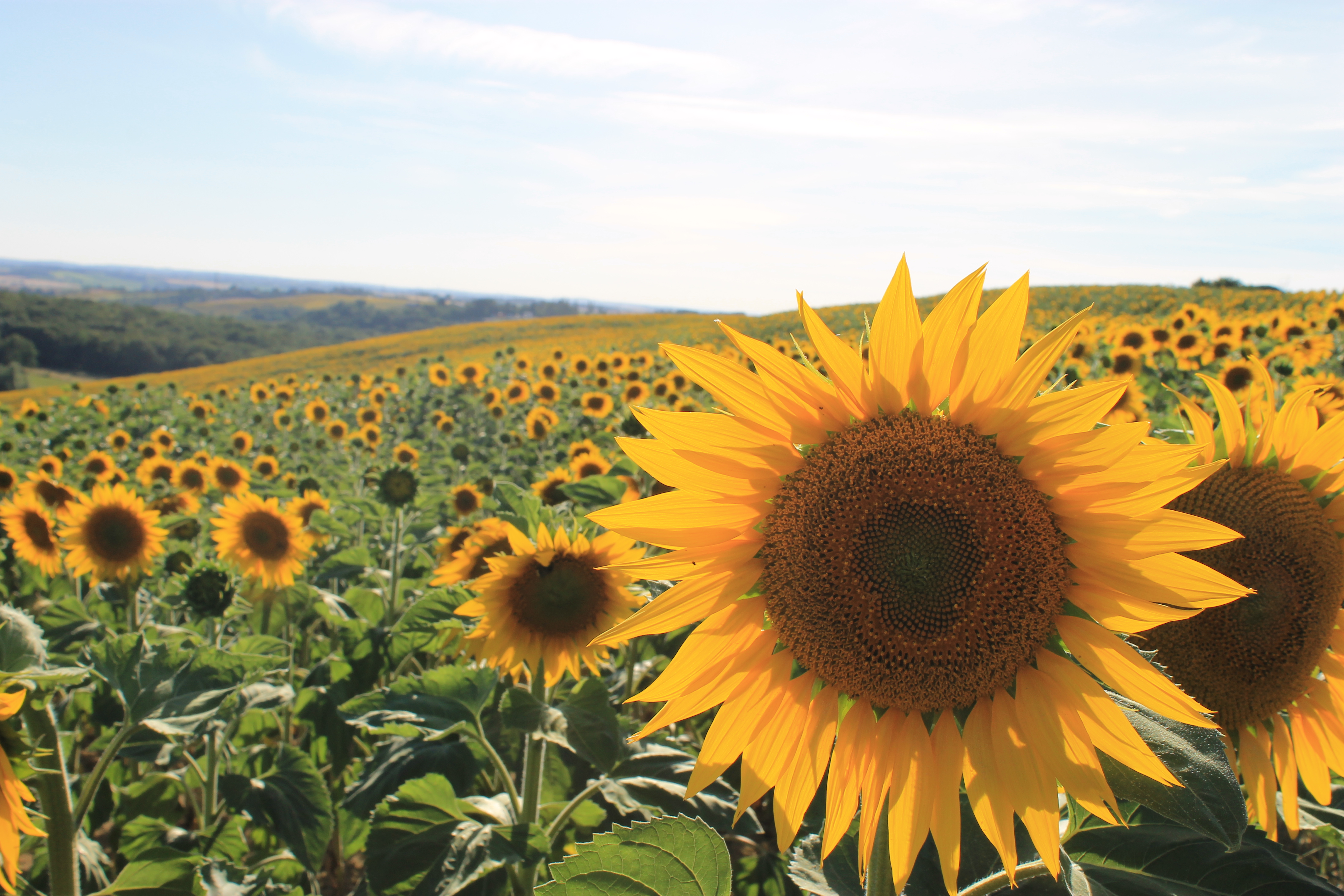
Mastering sunflower cultivation
Sur devis
Optimization of crushing and mechanical extraction of oil-protein seeds
Sur devis
Would you like to learn more about sunflower cultivation? SUN live is a distance learning course featuring 7 sequences led by Terres Inovia experts, covering the key practices and moments essential to sunflower success.It is designed to enable you to master the fundamental aspects of the crop, whether this is your first discovery or a refresher course.
Sequence 1: Planting and pests
- Management of intercropping (including cover crops) prior to sunflower cultivation.
- Techniques for successfully establishing a robust sunflower crop in the face of summer constraints.
- Encourage uniform planting and deep rooting.
- Identification of early-cycle pests, assessment of their harmfulness, and presentation of possible control methods.
Sequence 2: Positioning in crop rotation and economic assessment
- Agro-economic characteristics of sunflowers: their robustness depends on careful, optimized cultivation.
- Optimizing sunflower's place in rotations
- What economic impact does sunflower have on cropping systems?
Sequence 3: Weed control
- Complementarity between agronomic, chemical and mechanical solutions
- Presentation of herbicide solutions and programs
- Targets, spectrum, efficacy, selectivity and conditions of use of the main herbicides for sunflower.
Sequence 4: Fertilization
- Specificities of sunflower with regard to nitrogen supply and calculating the dose to be applied
- Rationale for phospho-potassium fertilization
- Sunflower needs in trace elements; focus on boron and molybdenum
Sequence 5: Harvesting and production quality
- Choosing the right time to harvest.
- Presentation of suitable harvesting equipment.
- Good conservation and storage practices.
Sequence 6: Ecophysiology and water efficiency
- Distribution of water requirements throughout the cycle.
- Importance of early-flowering leaf area index and leaf area duration.
- Irrigating sunflowers: an opportunity to be seized.
- Identification of key periods in the cycle and climatic requirements for each growth stage.
- Factors influencing yield and oil content.
Sequence 7: Diseases and cumana broomrape
- Recognition of the main diseases, biological cycle, harmfulness, protection methods, warning and decision-making tools.
- Orobanche cumana: recognition, harmfulness, monitoring and management of affected areas in France
At the end of the course, participants will be able to :
- Identify the key stages of the crop, from planting to harvest, and evaluate their success.
- Diagnose the main problems that can affect sunflower cultivation.
- Understand and use decision-support tools to maximize the crop's potential and profitability.
100% digital format: Remote training, accessible from any connected computer.
Active pedagogy: Technical presentations, case studies, feedback, analysis of real-life situations.
Evaluation: End-of-session quiz, questions and answers, individual satisfaction survey, self-assessment.
Online sessions: 7 sequences of 2 hours on Teams, led by Terres Inovia expert engineers.
Theoretical support: Technical presentations, summary documents, decision-making tools (e.g. fertilization calculations, pest and disease identification grids).
Interactivity: Quizzes, live questions and answers, exchanges with trainers and participants.
Digital support: Presentations and resources handed over after each session.
Technicians from development, economic and agri-supply organizations. farmers. Teachers End-of-session quiz, Q&A, individual satisfaction survey, self-positioningIf you have any requests for adaptations to help you succeed in your course, please contact the disability referent:
Christel CARO
Tel: 01 30 79 95 09
Mail: c.caro@terresinovia.fr
Aucun 960€ TTC 5 15 https://public.dendreo.com/4rsx27tf4npws6tp4zAwc/media/m8zxc7kjnnfc95jq3vl2y9rsn8qtkAdkl1ygy9shfndg3wl5pjmfc8ljkjyAA7snpj3g4pj5hjwvs7dsjn5wkz6nk3z2wndzgfrdcwrznntfcpj8 7 Jours 29 Inter-company and intra-companyCOLZA'Live: Understanding rapeseed crop management in 7 sequences
Our other training courses
Managing insect pests in oilseed rape: towards new collective and regional approaches
Sur devis
Dare to introduce cover crops into your cropping systems
Sur devis
Short-circuit production of edible oil
Sur devis
The basics of rapeseed cultivation
Sur devis
Whether you're a beginner or want to update your knowledge, COLZA Live training offers you a complete understanding of rapeseed growing. Thanks to 7 short, interactive sequences, led by experts, you can acquire the essential skills to optimize your farming practices, all in digital format.
Sequence 1: Introduction to the crop and planting
- Global context of rapeseed growing and associated agricultural issues
- Identification of the stages in the rapeseed crop cycle and phenological stages.
- The challenges of rapeseed establishment, the benefits of a robust rapeseed and the key conditions to be achieved, the keys to choosing the optimum establishment techniques according to the context.
Sequence 2: Fertilization
- Rapeseed specificities with regard to nitrogen supply
- Calculation of spring nitrogen dose (Réglette azote colza®) and choice of fractioning strategy
- Rationalization of phosphate, potassium and sulfur fertilization
- Rapeseed needs in trace elements; focus on boron and molybdenum
Sequence 3: Spring pests
- Presentation of the different spring pests: description and development cycle.
- Presentation of the main management strategies
- Presentation of preventive measures (agronomic levers) to limit the impact of pests.
- Nuisibility, risk assessment during the season (presentation of Decision Support Tools and decision rules) and decision-making.
- Choice of insecticides
- Prospects for biocontrol solutions
- Presentation of the main natural enemies.
Sequence 4: Spring diseases
- Review of the main spring diseases: Sclerotinia, Oidium, Alternaria, Mycosphaerella, Phoma, etc.
- Study of the biological cycle and harmfulness of these diseases.
- Control methods available as part of integrated crop protection.
Sequence 5 : Weed control
- Description of the main agronomic control methods.
- Development of herbicide control strategies adapted to weed flora.
- Grass control: Ray-Grass & Vulpin
- Presentation of mechanical control methods and mixed weed control strategies.
Sequence 6: Harvesting and yield components and ecophysiological aspects
- Strategies to limit harvest losses.
- Presentation of the swathing technique to optimize rapeseed harvesting.
- Explanation of the year's yields: rapeseed yield components and favorable factors.
Sequence 7: Autumn pests
- Presentation of the different autumn pests: description and development cycle.
- Presentation of the main management strategies.
- Preventive measures: levers to mobilize upstream to limit risk during the season.
- Nuisibility and risk assessment during the season (presentation of decision-support tools and decision rules).
- Choice of insecticides and slug pellets.
At the end of the course, participants will be able to :
- Understand and master rapeseed cultivation techniques
- Make informed decisions to optimize the crop
- Evaluate the success of rapeseed cultivation
- Optimize rapeseed planting
- Apply effective weed control strategies
- Managing fall and spring pests
- Optimize rapeseed fertilization
- Controlling spring diseases
- Minimize harvest losses
100% digital format: Remote training, accessible from any connected computer.
Active pedagogy: Technical presentations, case studies, feedback.
Evaluation: End-of-session quiz, questions and answers, individual satisfaction survey, self-assessment.
Online sessions: 7 sequences of 2 hours on Teams, led by Terres Inovia expert engineers.
Theoretical support: Presentations, technical documents, ADO proposals.
Interactivity: Quizzes, questions and answers, live exchanges with trainers.
Digital support: Presentations and resources handed over after each session.
Technicians from development, economic and agri-supply organizations. farmers. Teachers End-of-session quiz, Q&A, individual satisfaction survey, self-assessment.If you have any requests for adaptations to help you succeed in your course, please contact the disability referent:
Christel CARO
Tel: 01 30 79 95 09
Mail: c.caro@terresinovia.fr
Aucun 960€ TTC 5 15 https://public.dendreo.com/4rsx27tf4npws6tp4zAwc/media/jzmc9vtrj7yx25d3mmxwqv6vfnjf1mkqmr6Amztbmvrw2552nbvAmqtt4vl254lnnq6Acpj5hjh247kqjyzx3wbwkjwxszsbf8sgg9l3j37Acpj8 7 Jours 28 Inter-company and intra-company