
The 2026 growing guide for sunflowers is now available
Terres Inovia has updated its sunflower growing guide. This comprehensive guide, updated with the institute's new visual identity, will accompany growers and advisors step-by-step through the coming campaign. As in previous years, it can be downloaded free of charge from the Terres Inovia website, or ordered in printed form.
Terres Inovia a mis à jour son guide de culture consacré au tournesol. Ce support complet, actualisé avec la nouvelle identité visuelle de l’institut, accompagnera pas-à-pas les producteurs et les conseillers lors de la prochaine campagne. Comme chaque année, il est téléchargeable gratuitement sur le site internet de Terres Inovia et peut également être commandé en version imprimée.
Économe en intrants et bénéficiant d’un progrès génétique continu, le tournesol est une culture durable et compétitive, pourvoyeuse de bénéfices pour les systèmes de culture dans lesquels il est inclus. Tête de rotation à cycle court, doté d’une bonne capacité de tolérance au stress hydrique, il s’adapte à de nombreux contextes de production.
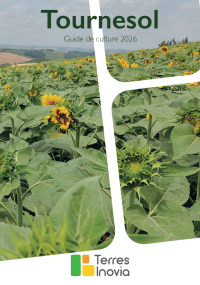
Le guide de culture tournesol de Terres Inovia permet de tout savoir sur l’itinéraire technique du tournesol : choix variétal, implantation, stratégie de lutte contre les bioagresseurs, conservation des graines, etc.
Dans cette édition 2026, Terres Inovia a actualisé l’ensemble de ses conseils et positions techniques, à l’instar des recommandations pour lutter contre le mildiou, les caractéristiques réglementaires des solutions préconisées, ou encore la liste des variétés évaluées dans le réseau Terres Inovia. Quant aux références économiques présentées, elles sont en phase avec les éléments de contexte actuel.
Le guide en version imprimée est également gratuit, seule une participation aux frais de port est demandée. Le guide de culture tournesol 2026 sera livré à partir du 23 février 2026.

Nos autres actualités
North & East zone - Sunflower crop report 2025
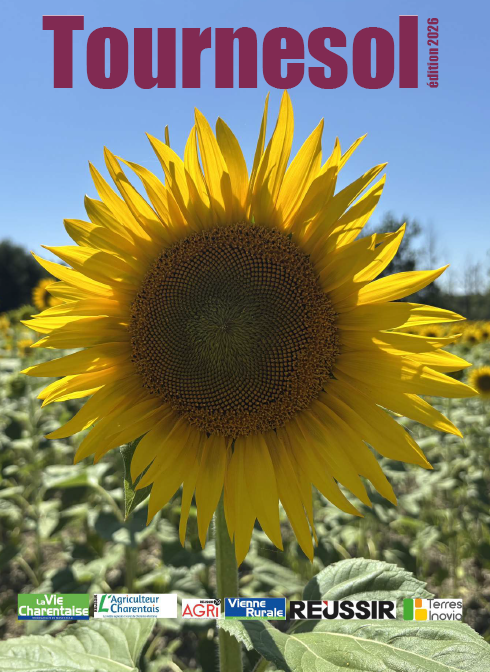
Spécial Tournesol 2026: Tertes Inovia renews its partnership with the Réussir group
Once again, the technical institute has contributed to the preparation of a publication dedicated to sunflower cultivation, published by the Réussir group.
Une nouvelle fois, l'institut technique a contribué à l'élaboration d'un support édité par le groupe Réussir et dédié à la culture du tournesol.
Dans ce nouveau numéro du Spécial Tournesol 2026, plusieurs articles ont été rédigés par les experts de Terres Inovia.
- Une année 2025 chaude, sèche et... peu productive, par Elodie TOURTON.
- Phosphore, potasse : les apports sont-ils bien valorisés ? par Emile LEREBOUR
- Quel intérêt de la fertilisation azotée ? par Emile LEREBOUR
- Évaluer le risque taupin et noctuelle terricole pour adapter la lutte, par Laurent RUCK
- Un verticillium qui gagne du terrain dans l'ouest et le centre de la France, par Cécilia FONTYN
- Dégâts d'oiseaux à la levée : comment diminuer les risques ? par Christophe SAUSSE
- Caractéristiques des variétés de tournesol selon leur type et leur précocité, par Céline MOTARD
Consultez le Spécial Tournesol 2026 : ici.
Emile LEREBOUR - e.lerebour@terresinovia.fr
Laurent RUCK - l.ruck@terresinovia.fr
Cécilia FONTYN - c.fontyn@terresinovia.fr
Christophe SAUSSE - c.sausse@terresinovia.fr
Céline MOTARD - c.motard@terresinovia.fr
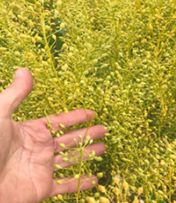
Mastering camelina cultivation
Our other training courses
Short-circuit production of edible oil
Sur devis
Optimization of crushing and mechanical extraction of oil-protein seeds
Sur devis
Camelina: transforming a diversification crop into a technical and economic opportunity.
Boosted by a rapidly expanding market, camelina requires precise control of its cultivation itinerary if it is to achieve its full potential. This training course offers a complete technical and economic approach to successfully integrating camelina into cropping systems.
The program includes
1. camelina: basics and challenges
- Origin, development cycle and agronomic characteristics
- Crop strengths and positioning in cropping systems
2. market opportunities and value-adding framework
- Main outlets: sustainable fuels, food and feed, cosmetics, industrial uses
- Regulatory context
3.camelina technical itineraries
- Conditions for success and choice of plot
- Planting and varietal selection
- Fertilization and weed management
- Pest and disease management
- Adapting the itinerary to the type of crop: main crop, summer or winter catch crop, intercropping
4 Harvesting and securing production
- Key harvesting principles and settings
- Mowing and raking
5.camelina in organic farming
- Agronomic benefits
- Technical specificities and outlets
6.economic performance
- Comparison of margins according to technical itineraries
- Economic analysis at crop system level
7.field diagnosis
- Observation of plots and/or trials
- Collective analysis of situations encountered
At the end of the course, participants will be able to :
- Understand the agronomic, economic and regulatory issues involved in growing camelina.
- Identify the various outlets for camelina and their requirements
- Recommend key cultivation techniques for successful camelina production, whatever the cropping method (main crop, catch crop, combination, organic farming).
- Adapt camelina technical itineraries to soil and climate conditions and to production objectives.
Face-to-face format with a field component (depending on conditions and training period):
-
Theoretical classroom input: Presentation of the crop, its outlets and technical itineraries (main crop, catch crop, combination), illustrated by trial results and concrete case studies.
-
Field observation: Analysis of real-life situations in plots and observation of trials to carry out collective diagnoses and illustrate technical levers.
Active methods: Presentations, case studies, practical exchanges, questions and answers, applied diagnostics.
Assessment: Quiz to validate knowledge acquired, questions and answers throughout the course, self-assessment by participants, individual satisfaction survey.
Theoretical support: Presentations, lectures, regulatory texts and summary documents given to participants.
Case studies: Real-life situations based on experimental results and feedback from the field, analyzed collectively.
Practical exchanges: Sharing of experiences between participants and trainers to enrich technical analysis and diagnoses.
Technicians, agricultural advisors, farmers, agents of structures working with camelina for biofuel production Q&A, quiz, individual satisfaction survey, self-positioningIf you have any requests for adaptations to help you succeed in your course, please contact the Disability Advisor:
Christel CARO
Tel: 01 30 79 95 09
Mail: formation@terresinovia.fr
Aucun 0€ TTC https://public.dendreo.com/4rsx27tf4npws6tp4zAwc/media/h17x4yzwmvzfgytkjb6Aq7zA3flf2q6khf1xmsczn8qAw8jpnz5sw4brlfk2kAbynAvwgpj5h35tqtkdkrhg3rtsm7yAyrjA4rzs9vlhjr7g4pj8 1 Jour 102 Intra-entrepriseSuccessful pea and faba bean crops in the South-West
Our other training courses
Dare to use cover crops in your cropping systems
Sur devis
Optimization of crushing and mechanical extraction of oil-protein seeds
Sur devis
Diagnosing and managing pea and faba bean diseases
Sur devis
Peas and faba beans: make the most of their potential in South-West systems
Crops with high agronomic and economic value, peas and field beans play a key role in rotations in the South-West. Adapted to the region's varied soils and climatic constraints, they can be used to diversify crop rotations while reducing inputs. To get the best out of them, careful management is essential: choice of plot, varieties, technical itinerary... This training course will guide you step-by-step in securing and optimizing these crops in your local context.
Program:
1. understanding how crops work in the South-West of France
- Pea and faba bean physiology: key stages, environmental requirements
- Agronomic, environmental and economic advantages in the regional context
2. crop management adapted to local conditions and associated decision rules
- Varietal selection adapted to the South-West climate
- Planting and sowing density according to regional soil types
- Phytosanitary protection: specific issues (Aphanomyces, Sclerotinia, aphids, etc.)
3 Diagnosis and management of hazards
- Identification of the main crop accidents observed in the region
4.value-adding and outlets
- Specific regional outlets (human food, export, local animal sectors)
- Storage and sorting strategies adapted to South-West markets
5.performance and sustainability
- Technical and economic analysis of itineraries in a local context
- Input reduction, nitrogen savings and benefits for the following crop
Training organized in collaboration with FILEG (free for their members)
At the end of the course, participants will be able to :
- Identify the key success factors for pea and faba bean cultivation in the pedoclimatic context of the South-West,
- Choose and adapt technical itineraries according to soil, climate and local sanitary pressures,
- Diagnose the main crop failures in regional conditions,
- Assess the economic and environmental performance of these crops in a localized context.
Theoretical input: technical and scientific presentations adapted to the pedoclimatic context of the South-West.
Case studies: analysis of real situations encountered by farmers in the region.
Feedback from field experience: sharing of practices and solutions tried and tested by participants and trainer.
Interactive exchanges: time for questions, discussions and sharing between professionals.
Plot visit or field diagnosis (depending on the season): practical application of knowledge in the field.
Evaluation: quiz, questions and answers and individual satisfaction survey to measure skills acquisition.
The course is led by Quentin LAMBERT, a regional expert, guaranteeing local roots and a precise response to the specific challenges of the area.
Teaching aids: technical and summary documents given to participants (memo sheets, illustrated presentations, practical guides).
Visual illustrations: diagrams, photos and concrete examples to facilitate understanding of technical itineraries and diagnostics.
Case studies: analysis of real-life situations, diagnosis of crop accidents, and technico-economic performance studies.
Plot visits (where possible): direct observation of crops, soils and cultivation practices in real-life conditions.
Agricultural technicians and advisors, Farmers and producers, Agricultural teachers and trainers, Agronomic and technical sales managers in agricultural distribution, Agri-food / processing industry players Quizzes, Q&As and individual satisfaction surveys to measure skills acquisitionIf you have any requests for adaptations to help you succeed in your course, please contact the disability referent:
Christel CARO
Tel: 01 30 79 95 09
Mail: formation@terresinovia.fr
Aucun 480€ TTC 5 15 https://public.dendreo.com/4rsx27tf4npws6tp4zAwc/media/38gvc6snjf8gw8lhmz6Acwbxnbrfcn5zmrvg4Ady4v3227brmvdhss5fnr3tmnry4vjd1pj5h35AAs5p4fm24wkplf7tm5t4l16A7mtfkbfw4pj8 1 Jour Quentin LAMBERT 95 Inter-company and intra-companyAgronomic control of chickpea and lentil cultivation in the southwest of France
Our other training courses
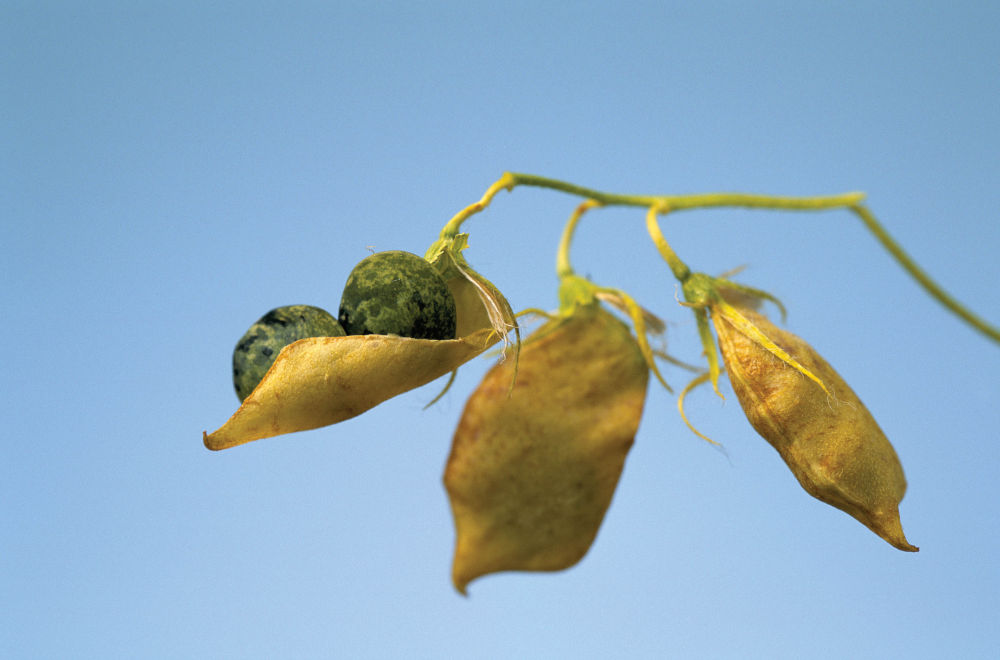
Master the cultivation of lentils, an interesting diversification crop for your rotations!
Sur devis
Optimization of crushing and mechanical extraction of oil-protein seeds
Sur devis
Integrating lentils and chickpeas into your crop rotations: a strategic agronomic choice
Lentils and chickpeas are economical, high-performance crops that improve soil fertility, break pest and disease cycles and offer secure outlets. Adapted to the pedoclimatic context of the South-West of France, the training course offers theoretical contributions and visits to master technical itineraries and integrate these legumes sustainably.
Program:
1 Introduction to legumes:
- Definition of legumes and how they work,
- Role of legumes in soil fertilization and crop rotation.
2 - Lentil management in the South-West of France
- Agronomic characteristics: spring species, low-input crop
- Typologies (blond, coral, green) and value-adding opportunities
- Adapting the technical itinerary to regional constraints: soil types, water availability, temperatures, etc.
- Planting, varietal selection, cultural management, fertilization, protection
- Harvesting: optimal conditions, equipment settings
3. chickpea management in the South-West
- Agronomic, environmental and economic benefits
- Regionalized technical itinerary: choice of sowing dates, densities, management in dry conditions, harvesting, storage and contracting.
- Management of pests and diseases specific to the region
4 Focus on organic farming
Training carried out in collaboration with FILEG (free for their members)
At the end of the course, participants will be able to :
- Explain the agronomic functioning of lentil and chickpea crops
- Identify their agronomic, economic and environmental benefits
- Choose species and varieties suited to the soil and climate conditions of the South West of France
- Implement rational crop management: planting, fertilization, weed and pest management
- Diagnose the main crop accidents
- Apply good harvesting and post-harvest practices
- Integrate the specificities of organic farming into the local context
Face-to-face format:
-
In-class technical input: presentations, case studies, interactive discussions
-
Practical application in the field: plot visits, crop observation, etc.
Active methods: Illustrated presentations, debates, questions and answers, feedback
Evaluation: Quizzes, questions and answers, application exercises, individual satisfaction surveys, self-assessment
Theoretical support: Lectures, visual presentations, written material given to participants.
Field visits: Analysis of lentil and chickpea crops in real-life conditions, identification of key technical points.
Practical exchanges: Feedback from field experience and group discussions with the trainer.
Advisors/Technicians from development, economic and agri-supply organizations. Teachers. Farmers Quiz, Q&A, application exercise, individual satisfaction survey, self-positioningIf you have any requests for adaptations to help you succeed in your course, please contact the disability referent:
Christel CARO
Tel: 01 30 79 95 09
Mail: formation@terresinovia.fr
Aucun 480€ TTC 5 15 https://public.dendreo.com/4rsx27tf4npws6tp4zAwc/media/nf6fsAsf4852qmjwlj3gqzsjgv6g97l3mn2x4ml2nbgwsAlx4flhkmk5mjww49tc3nbggpj5hjlw2765g8lhgyzA3fgAc9trjf8hmq5kmfbAcpj8 1 Jour Quentin LAMBERT 94 Inter-company and intra-companyGrowing soybeans successfully in the South-West
Our other training courses
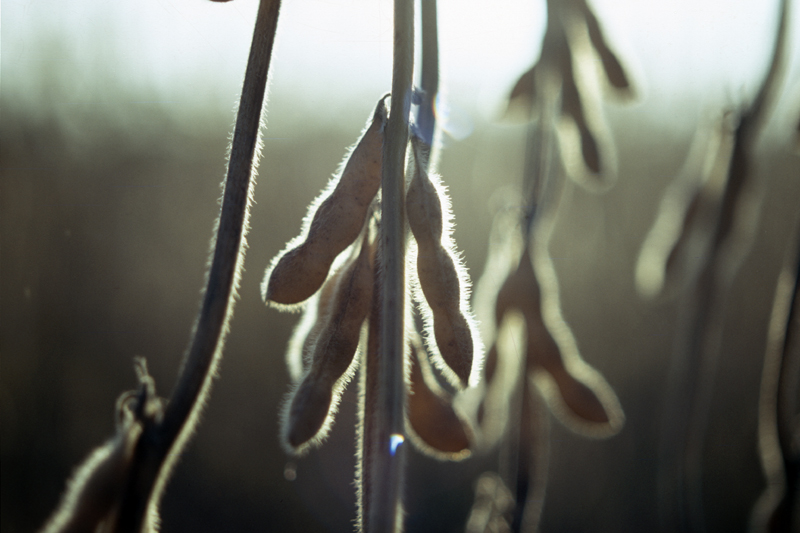
Soya: a strategic crop for sustainable systems
Sur devis
Optimization of crushing and mechanical extraction of oil-protein seeds
Sur devis
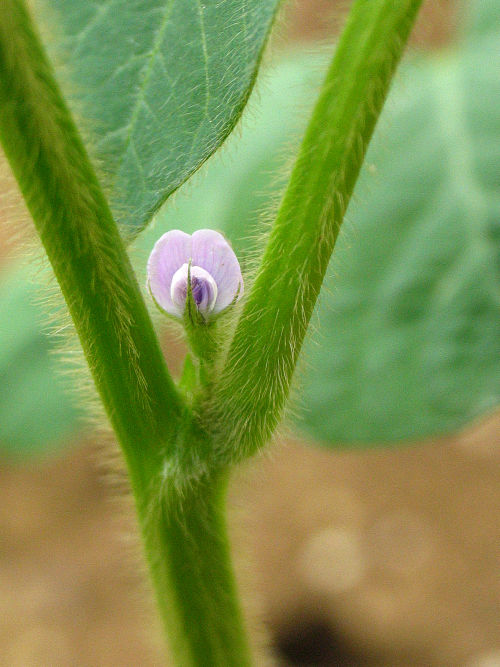
Soybeans: Diagnosing climatic accidents
Sur devis
Soya, a crop of the future to be mastered!
In a context of agro-ecological transition, soybeans are back in the spotlight thanks to their low input requirements and varied outlets. Boosted by regulatory and economic support (protein plan, MAEC, SIE...), this crop offers real opportunities in both conventional and organic farming. This training course will provide you with a comprehensive, practical technical approach to successfully manage each stage of the crop, secure your yields and make the most of your production.
The program includes
1 Plant and canopy functioning:
- Key aspects of soybean physiology and phenology
- Highlighting levers for improving yields
2 - Cultural management adapted to the South-West :
- Planting
- Weed management
- Crop protection
- Water management
- Harvest control
3 Diagnosis of major accidents :
- Recognition of soybean pests
- Identification of root and leaf diseases
- Frequent climatic accidents in the South West
4 Approach to organic crop management
5 - Soybeans in catch crops: some indicators
Training organized in collaboration with FILEG (free for their members)
At the end of the course, participants will be able to :
- Understand how plants function
- Analyze the factors influencing yield and the technical levers for optimization
- Recommend key cultivation techniques for successful soybean cultivation
- Implement good harvesting practices
- Detect and diagnose major crop failures (pests, diseases, abiotic stresses)
- Adapt crop management to the specificities of organic agriculture
Face-to-face format (1 day) :
-
Theoretical input via illustrated presentations and case studies.
-
Interactive exchanges between participants and trainers to share experiences and questions.
Active methods: Presentations, case studies, debates, questions and answers.
Evaluation: Quiz, Q&A, individual satisfaction survey, self-assessment.
Theoretical support: Lectures, presentations, written material given to participants.
Case studies: Feedback from the field to illustrate best practices and solutions.
Exchange of practices: Discussions and sharing between trainees and trainers.
Agricultural technicians and advisors, Farmers and producers, Agricultural teachers and trainers, Agronomic and technical sales managers in agricultural distribution, Agri-food / processing industry players Quiz, Q&A, individual satisfaction survey, self-positioning.If you have any requests for adaptations to help you succeed in your course, please contact the disability referent:
Christel CARO
Tel: 01 30 79 95 09
Mail: formation@terresinovia.fr
Aucun 480€ TTC 5 15 https://public.dendreo.com/4rsx27tf4npws6tp4zAwc/media/jv72wsdgmr5hgzdf4ztwyrdxmngvm7dw4brh16cxj27A2wrr38rcwz53hbfgy5lmmzt25pj5hj6x1Azrj77v46cnn83w99jvgngs98bvgzhfcpj8 1 Jour Quentin LAMBERT 93 Inter-company and intra-companyHemp: a high-potential crop that requires careful management
Our other training courses
Optimization of crushing and mechanical extraction of oil-protein seeds
Sur devis
A no-input crop requiring limited fertilization, hemp responds particularly well to the mastery of basic production techniques. The expansion of outlets (construction, automotive, textiles, human food) makes hemp a crop with interesting development potential. In terms of surface area, France is currently the world's 2nd largest producer.
Program:
- Presentation of the hemp industry: history, players and organization of the sector
- Hemp outlets: Main value-added sectors (textiles, construction, food, etc.)
- Hemp physiology: Understanding the key biological elements for optimized cultivation, and adaptability to climate change.
- Specificities of hemp cultivation: Adaptation to soils, choice of varieties, water and nutrient requirements.
- Harvesting techniques: methods and equipment for efficient hemp harvesting
- Identifying the main phytosanitary problems: Damage observed on the crop and prevention strategies
At the end of the course, participants will be able to :
- Explain the organization of the hemp industry and its various stages of development
- Analyze the agronomic, economic and environmental issues involved in growing hemp
- Identify and recommend the key cultivation techniques for successful hemp cultivation for different outlets.
Theoretical presentations in the classroom: clear, concise presentations on the hemp industry, its challenges, cultivation techniques and outlets.
Discussions and debates: time for interaction between participants and the trainer to share experiences, ask questions and explore key points in greater depth.
Plot visits: hands-on observation of cultivation techniques, varieties, development stages and any phytosanitary problems.
Interactive approach: the trainer, hemp expert Louis Marie ALLARD, leads the session in a dynamic way, drawing on feedback and case studies.
Evaluation: End-of-session quiz, questions and answers, individual satisfaction survey, self-assessment.
Visual aids: illustrated presentations (diagrams, photos, graphs) to facilitate understanding of technical and economic concepts.
Pedagogical documents: handing out synthetic aids (data sheets, guides, memos) to enable participants to keep a written record of key information.
Knowledge acquisition tests: quizzes or questions and answers to assess participants' understanding and reinforce important points.
Plot visits: direct observation of crops, soils, varieties and cultivation practices, for hands-on immersion.
Development technicians, agri-supply and distribution professionals, teachers, farmers. End-of-session quiz, Q&A, individual satisfaction survey, self-positioningIf you have any requests for adaptations to help you succeed in your course, please contact the disability referent:
Christel CARO
Tel: 01 30 79 95 09
Mail: formation@terresinovia.fr
Aucun 240€ TTC 5 15 https://public.dendreo.com/4rsx27tf4npws6tp4zAwc/media/nntw98djkrbAcrl5pjxw46kbmfywgsk4mzsdmzlr3qzxcq5d475hm9brkjh279tymzkAspj5hj3v3slvknA2c9rw3zlv3yjtn3xAcmkAkf5h4pj8 1 Jour Louis-Marie ALLARD 50 Inter-company and intra-companyMastering sunflower cultivation
Our other training courses
Dare to use cover crops in your cropping systems
Sur devis
Short-circuit production of edible oil
Sur devis
Optimization of crushing and mechanical extraction of oil-protein seeds
Sur devis
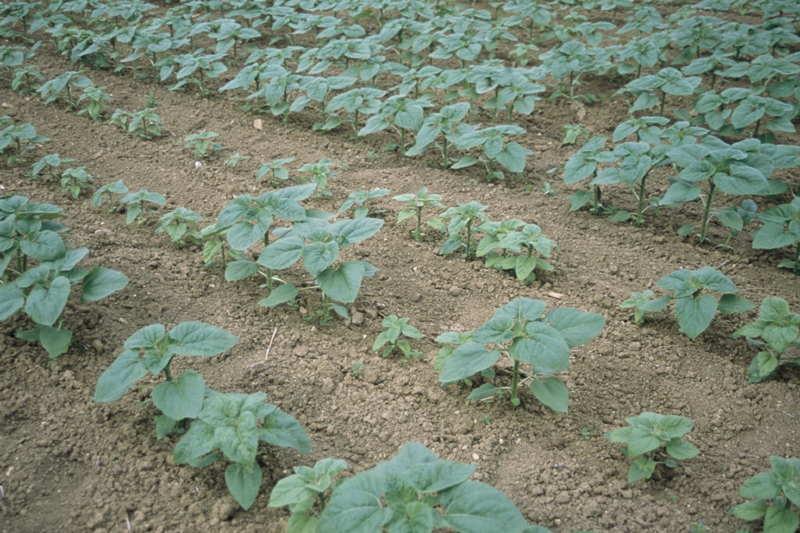
Sunflower: Decipher the diseases!
Sur devis
A sustainable, competitive crop that provides ecosystem benefits, sunflower needs to be managed carefully to achieve its full potential. This training course provides you with the technical keys and agronomic benchmarks you need to secure your itineraries and maximize field performance.
Program:
- Plant physiology: the key stages in sunflower development, and the main abiotic factors influencing yield.
- Crop management: intercropping, planting, fertilization, weed control (including post-emergence), plant protection, irrigation, harvesting
- Analysis and management of crop accidents: identification, causes, means of action
At the end of the course, participants will be able to :
- recommend the key cultivation techniques for a successful technical itinerary in sunflower
- diagnose major accidents that may occur during the crop cycle
Hybrid format:
-
Remote theory (2 hours): Technical inputs, case studies, interactive quizzes via Teams.
-
Field practice (1 day): Analysis of plots, observation of development stages, diagnosis of crop accidents, exchanges with the trainer.
Active methods: Presentations, discussions, debates, questions and answers, case studies, field diagnostics.
Evaluation: Quiz, oral questions and answers, individual satisfaction survey, self-assessment at start and end of training.
Theoretical support: Lectures, presentations, written material given to participants.
Management tools: Presentation of technical levers for adapting cropping itineraries to specific contexts.
Field visits: Observation and diagnosis in the field to analyze development stages and crop accidents.
Practical exchanges: Feedback, discussions and debates between participants and trainer to enhance learning.
Technicians from development, agri-supply and distribution organizations. Farmers. Teachers. Quizzes, oral questions and answers, individual satisfaction survey, self-assessment at the beginning and end of the courseIf you have any requests for adaptations to help you succeed in your course, please contact the disability referent:
Christel CARO
Tel: 01 30 79 95 09
Mail: formation@terresinovia.fr
Aucun 700€ TTC 5 15 https://public.dendreo.com/4rsx27tf4npws6tp4zAwc/media/jzldgwbA4zzf2qkx3v7t2ztqk8qA3Akqmjcdcyl44y7Am6syljsgyAjwjj5vsqldfn5vkpj5hjtgq9trgjjt2wcllfvtqr5qpjcvmAdmkn5h4pj8 2 Jours 49 Inter-company and intra-companyMaster the cultivation of lentils, an interesting diversification crop for your rotations!
Our other training courses
Agronomic control of chickpea and lentil cultivation in the southwest of France
Sur devis
Optimization of crushing and mechanical extraction of oil-protein seeds
Sur devis
A spring crop with many advantages, lentils lengthen rotations, break the cycle of pests and diseases, and require no nitrogen, making them particularly well-suited to the current context. Although lentils are often compared with faba beans and protein peas, they have their own specific technical itinerary, which needs to be mastered to guarantee satisfactory yields. This training course will help you to grow it successfully, whether organically or conventionally, by making the right technical choices.
Program:
- International and national context
- Lentil physiology and phenology: fundamental principles and key aspects
- Cultural management and associated decision-making rules (planting, varietal choice, crop associations, weed management)
- Harvesting techniques adapted to lentils
- Identification and management of the main damage observed on the crop
- Specific features of lentil production in organic farming
- Plot visits and practical crop analysis
At the end of the course, participants will be able to :
- Understand the international and national production context, as well as the major challenges facing the industry.
- Identify the strengths and weaknesses of the species
- Design and implement appropriate crop management: previous crops, planting, choice of inputs, etc.
- Implement and/or recommend key cultivation techniques for successful lentil cultivation in organic and conventional farming.
- Diagnose the main accidents observed in cultivation
- Define good harvesting practices
Hybrid format:
-
Theory in the classroom: Technical inputs on crop management, discussions and debates.
-
Field practice: Plot visits, observation of development stages, crop analysis in real-life conditions.
Active methods: Presentations, case studies, questions and answers, sharing of experiences between participants and trainer.
Evaluation: Quizzes, oral exchanges, individual satisfaction surveys, self-assessment.
Theoretical support: Lectures, visual presentations, written material given to participants.
Field observation: Plot visits and observation under real conditions to link theory and practice.
Practical exchanges: Feedback from experience, discussions on concrete cases encountered in the field.
Technical tools: Presentation of useful references and documents for monitoring technical developments in cultivation.
Development technicians, agri-supply and distribution professionals, teachers, farmers. Quizzes, oral exchanges, individual satisfaction surveys, self-assessment.If you have any requests for adaptations to help you succeed in your course, please contact the disability referent:
Christel CARO
Tel: 01 30 79 95 09
Mail: formation@terresinovia.fr
Aucun 480€ TTC 5 15 https://public.dendreo.com/4rsx27tf4npws6tp4zAwc/media/jnbw46rl4j1wqvjwpjgAmt63jzn2yws4pbj2ktdgn8n24663gj2g7wdsgnktqqlkjvkt3pj5h36tg6rxmy5Aymjt3ztgg75qmrbh25lwgfxvcpj8 1 Jour Zoé LE BIHAN 45 Inter-company and intra-companySoya: a strategic crop for sustainable systems
Our other training courses
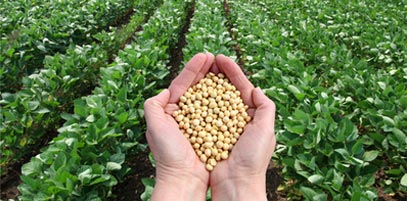
Growing soybeans successfully in the South-West
Sur devis
Optimization of crushing and mechanical extraction of oil-protein seeds
Sur devis
Soybeans: Diagnosing climatic accidents
Sur devis
Soya, a crop of the future to be mastered!
In a context of agro-ecological transition, soybeans are back in the spotlight thanks to their low input requirements and varied outlets. Boosted by regulatory and economic support (protein plan, MAEC, SIE...), this crop offers real opportunities in both conventional and organic farming. This training course will provide you with a comprehensive, practical technical approach to successfully manage each stage of the crop, secure your yields and make the most of your production.
The program includes
1 Plant and canopy functioning:
- Key aspects of soybean physiology and phenology
- Highlighting levers for improving yields
2 - Cultural management and associated decision-making rules:
- Planting
- Weed management
- Crop protection
- Water management
- Harvest control
3 Diagnosis of major accidents :
- Recognition of soybean pests
- Identification of root and leaf diseases
- Frequent climatic accidents
4 Approach to organic crop management
5 Soybeans in catch crops: a few indicators
At the end of the course, participants will be able to :
- Understand how plants function
- Analyze the factors influencing yield and the technical levers for optimization
- Recommend key cultivation techniques for successful soybean cultivation
- Implement good harvesting practices
- Detect and diagnose major crop failures (pests, diseases, abiotic stresses)
- Adapt crop management to the specificities of organic farming
Face-to-face format (1 day) :
-
Theoretical input via illustrated presentations and case studies.
-
Interactive exchanges between participants and trainers to share experiences and questions.
Active methods: Presentations, case studies, debates, questions and answers.
Evaluation: Quiz, Q&A, individual satisfaction survey, self-assessment.
Theoretical support: Lectures, presentations, written material given to participants.
Case studies: Feedback from the field to illustrate best practices and solutions.
Exchange of practices: Discussions and sharing between trainees and trainers.
Agricultural technicians and advisors, Farmers and producers, Agricultural teachers and trainers, Agronomic and technical sales managers in agricultural distribution, Agri-food / processing industry players Quiz, Q&A, individual satisfaction survey, self-positioning.If you have any requests for adaptations to help you succeed in your course, please contact the disability referent:
Christel CARO
Tel: 01 30 79 95 09
Mail: formation@terresinovia.fr
Aucun 480€ TTC 5 15 https://public.dendreo.com/4rsx27tf4npws6tp4zAwc/media/hbjx4nt34fAg5zdd3vdfs5c3g2vA366pj1vv2vbpm8wx2t5xjbdvczkfgn5xc6dmnfsvcpj5hjgfmrdg3f6x3Ads4bngsk6hjy6fgmjwpfd2cpj8 1 Jour 44 Inter-company and intra-company