
Description
Deepen your understanding of crushing processes and mechanical extraction of oil- and protein-rich seeds.
This training will enable you to conduct a detailed analysis of how process parameters affect the chemical composition of oils (fatty acids, phospholipids, undesirable compounds) and the nutritional quality of oilseed meal (digestibility, antinutritional factors). It incorporates the latest advances in mechanical extraction and offers a practical approach to optimizing oil extraction performance and meeting the technical requirements of industrial sectors.
Program:
Day 1: Fundamentals and practices of mechanical extraction of oilseeds
- The Chemistry of Oils: fatty acids, triglycerides, phospholipids, sterols and phytosterols, waxes. Properties, risks of deterioration
- Overview of seeds & hulling with a focus on sunflowers: hulling, variability in oil quality related to growing conditions and varieties
- Extraction mechanics: compression, filtration, viscosity, press geometry
- Workshop visit: press evaluation, analytical tools, practical case study
- Feedback & case studies
Day 2: Thermal treatments, product quality, and industrial optimization
- Mechanics of cooking
- Importance of cooking
- Thermal processing & Quality of oil and oilcake
- Feedback & Case Studies
- Process optimization tools
Training objectives
By the end of the training, participants will be able to:
- Identify the main chemical and nutritional characteristics of oils derived from oilseeds
- Analyze the effects of crushing processes on the quality of oils and oilseed meal
- Explain how mechanical extraction processes work and their critical parameters
- Assess the suitability of processed products for the needs of end users (animal feed, industry)
- Use digital tools to simulate, predict, and optimize production performance
Teaching methods
Classroom-based theoretical and technical sessions: detailed presentations on the fundamentals (oil chemistry, extraction mechanisms, critical parameters), illustrated with diagrams and scientific data.
Real-world case studies and feedback: analysis of actual industrial situations, sharing of best practices, and discussion of solutions.
Hands-on workshop visit: observation of equipment (presses, analytical tools), demonstration of processes, adjustment of parameters, and real-time analysis of results.
Interactive discussions: Q&A sessions, quizzes to assess learning, and discussions between participants and the instructor.
Teaching resources
Presentation materials provided to participants: paper or digital documents, including presentations, diagrams, key data, and a bibliography.
Digital optimization tools: use of software (Excel, Solver) to simulate and optimize processes.
Practical case studies: scenarios based on industrial problems, group analysis of solutions.
Workshop visit: opportunity to spend half a day in a workshop to observe the effects of controllable parameters on de-oiling performance.
Assessment methods
End-of-session quiz, Q&A session, individual satisfaction survey, self-assessmentAccessibility information
If you need any accommodations to help you succeed in your program, please contact the disability coordinator:
Christel CARO
Phone: 01 30 79 95 09
Email: formation@terresinovia.fr
Our other training courses
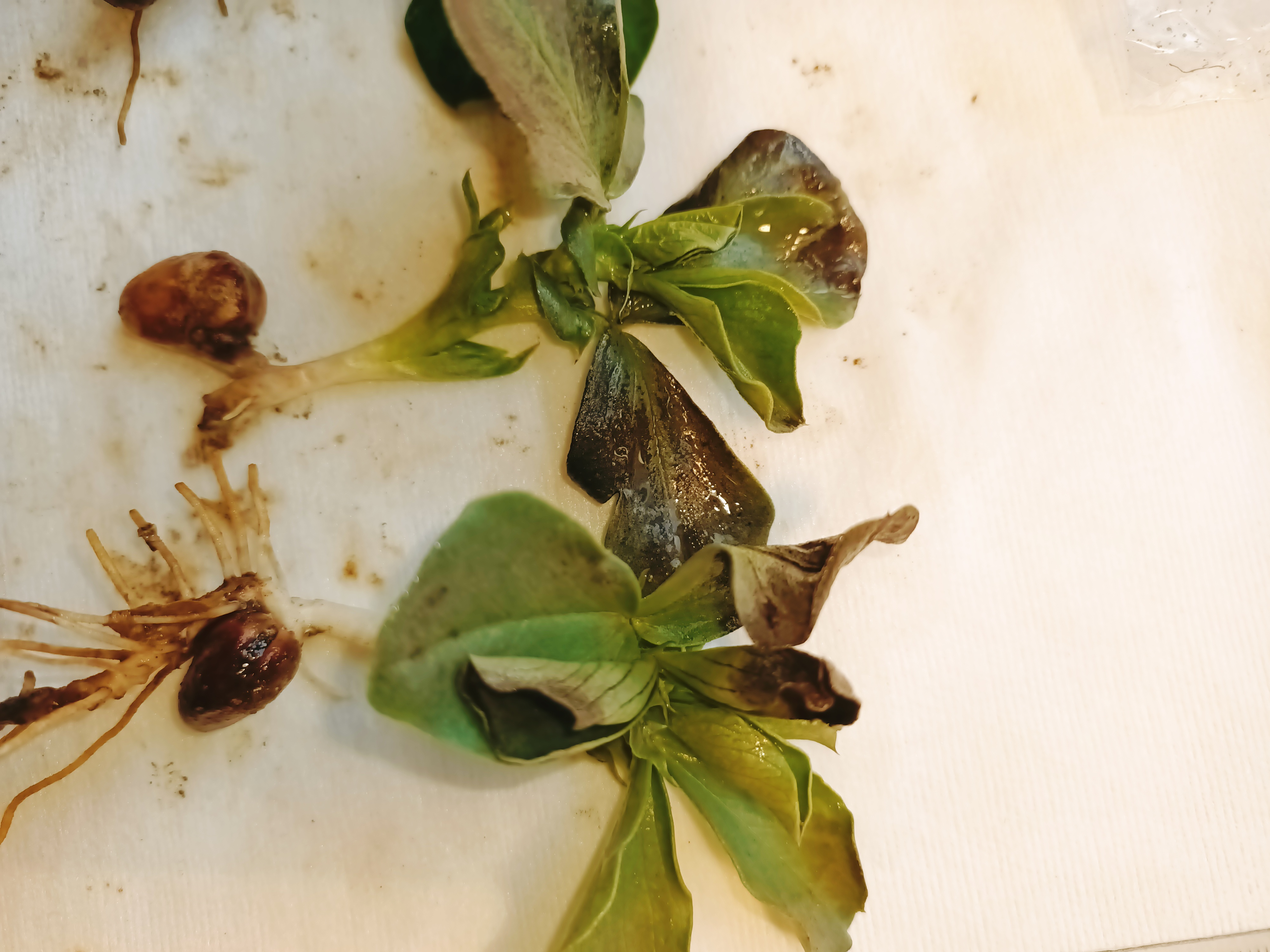
Peas, lupins and faba beans: diagnosing climatic accidents
Sur devis
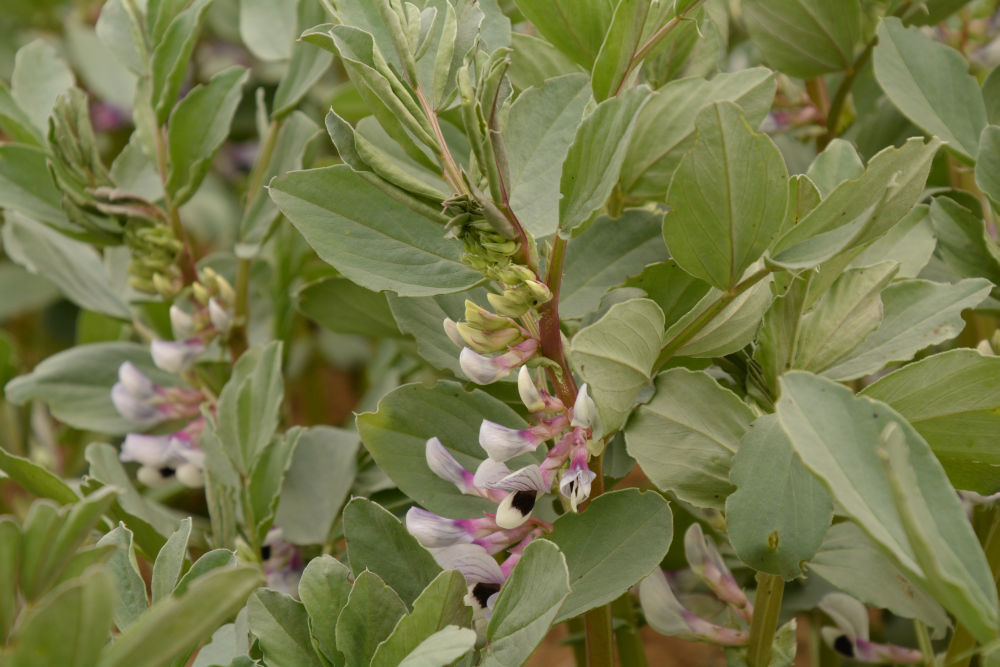
Mastering the cultivation of faba beans (winter & spring)
Sur devis
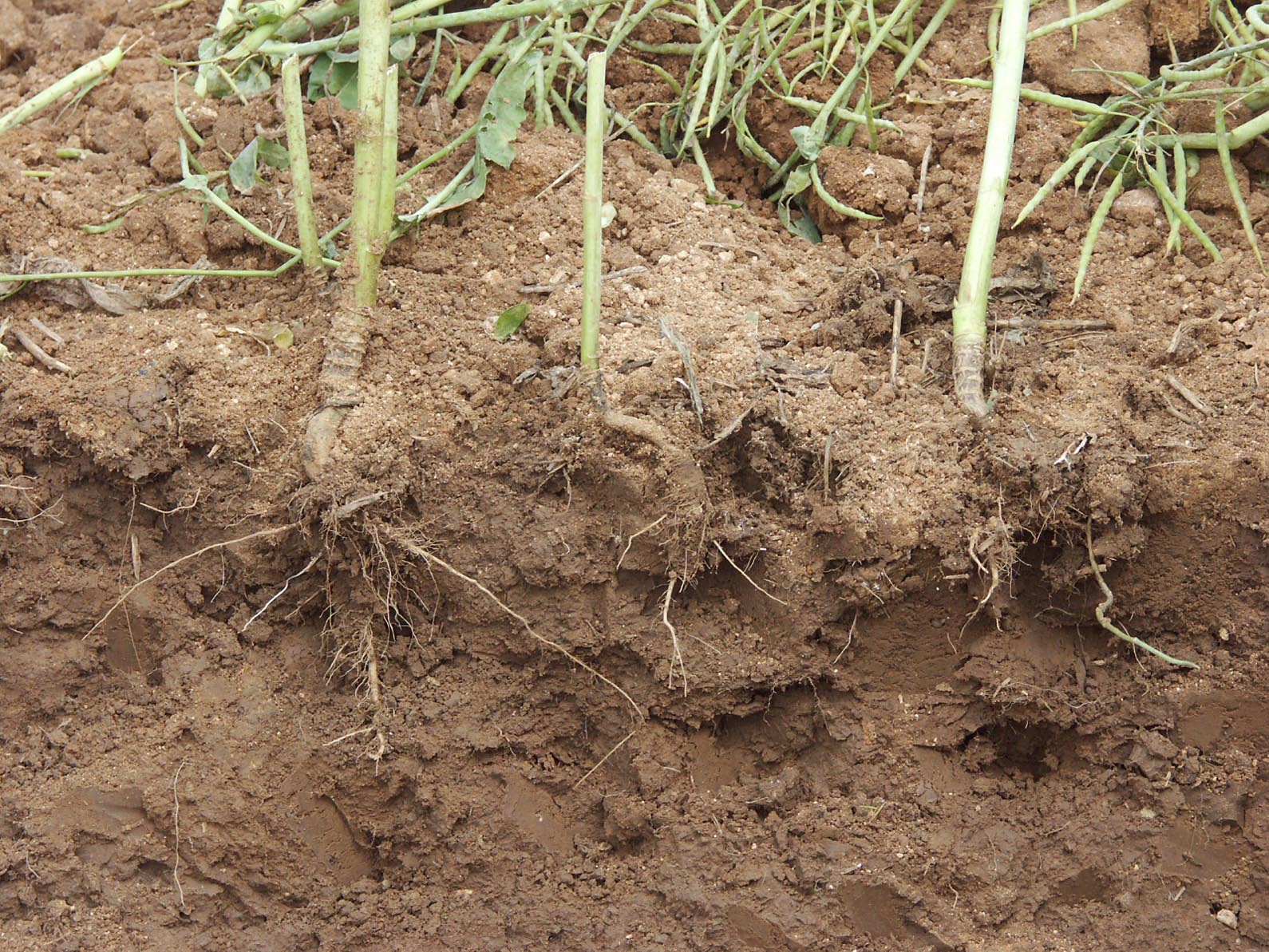
The spade test for successful crop establishment
Sur devis
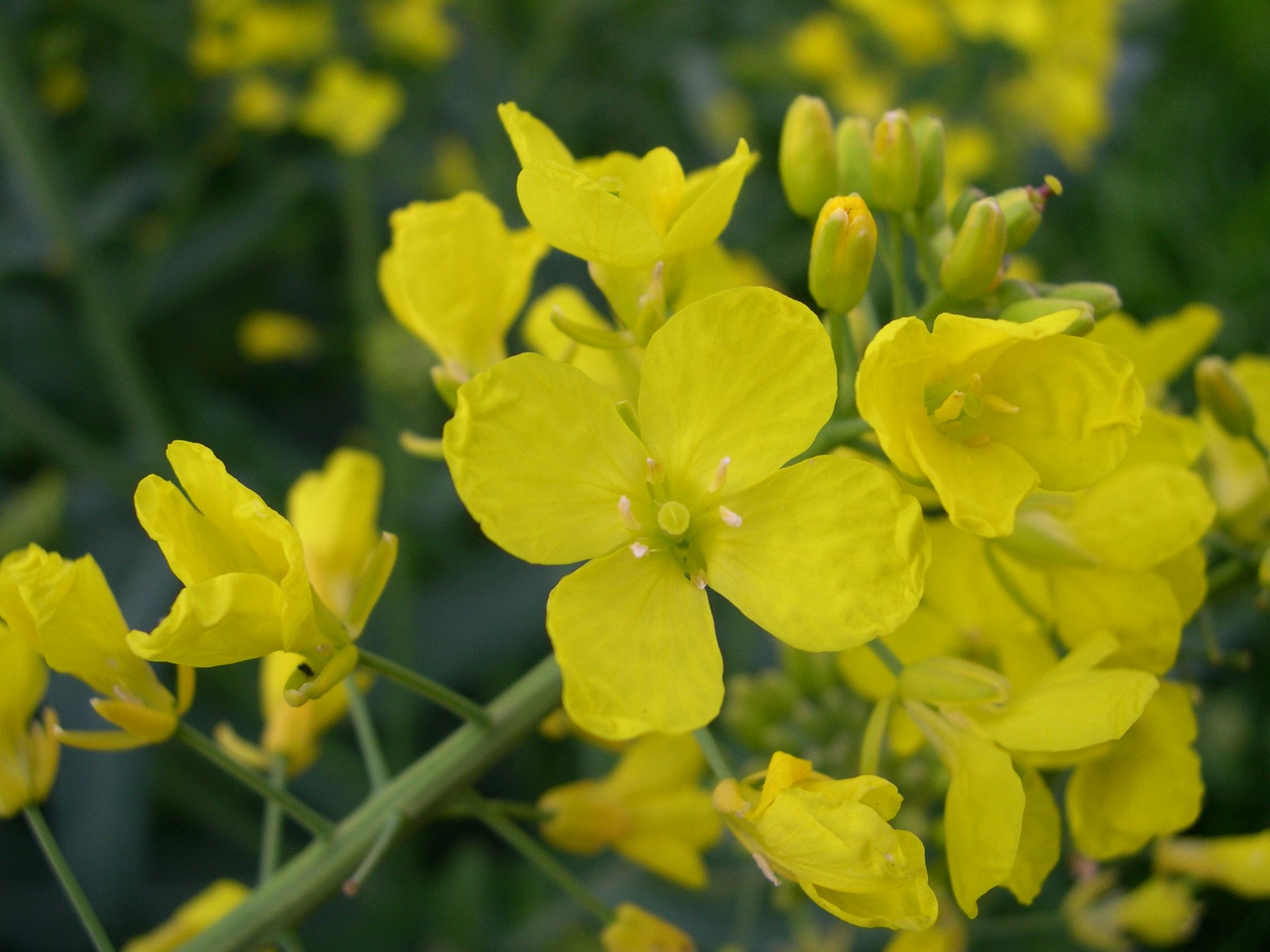
Rapeseed and agronomy: new strategies to meet new agri-environmental requirements
Sur devis

The training catalog
Explore all the field crop training courses offered by Arvalis and Terres Inovia.
