Filtres

23 April 2026
Rapeseed fungicide: try, try again, and fail…
21 April 2026
Rapeseed in Normandy and Western Île-de-France: Should a second fungicide be applied at mid-bloom?
21 April 2026 . 13 days ago
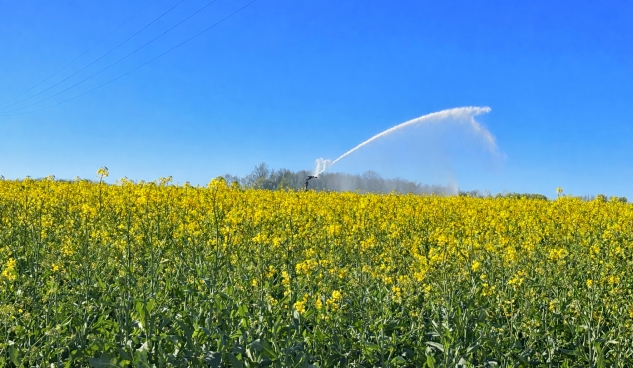
Rapeseed flowering in dry conditions: to irrigate or not?
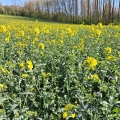
The rains, which had been forecast, keep getting delayed. For the past ten days or so, straw cereals have been irrigated in the Poitou-Charentes and Vendée regions. As a winter crop showing no visible signs of water stress, rapeseed would also benefit from additional water.
Create your Terres Inovia account
- News from your crops
- Your training courses and events
- Your favorite content and tools
- Your order history

10 April 2026 . 23 days ago
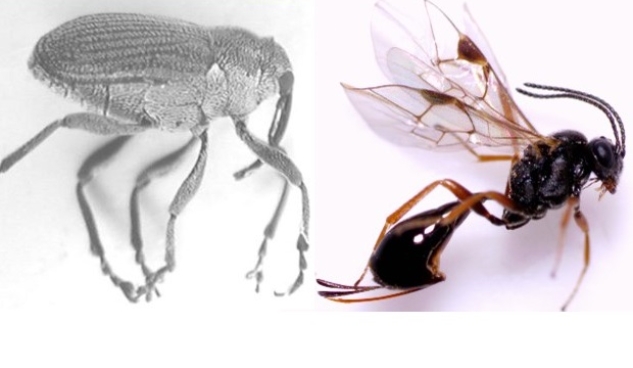
Pod weevil: How should it be managed when beneficial insects are present?
During the flowering period, the simultaneous presence of pod weevils and beneficial insects makes it important to carefully consider any intervention. The threat posed by this pest should not be overestimated.

09 April 2026
Workshop on the Phase-Out Plan for Phosmet: Alternative Control Methods and Biological Control
08 April 2026