
 Se connecter avec Facebook
 Se connecter avec Google
SUN'Live: The essentials of sunflower management in 7 sequences
Our other training courses
Dare to introduce cover crops into your cropping systems
Sur devis

Short-circuit production of edible oil
Sur devis
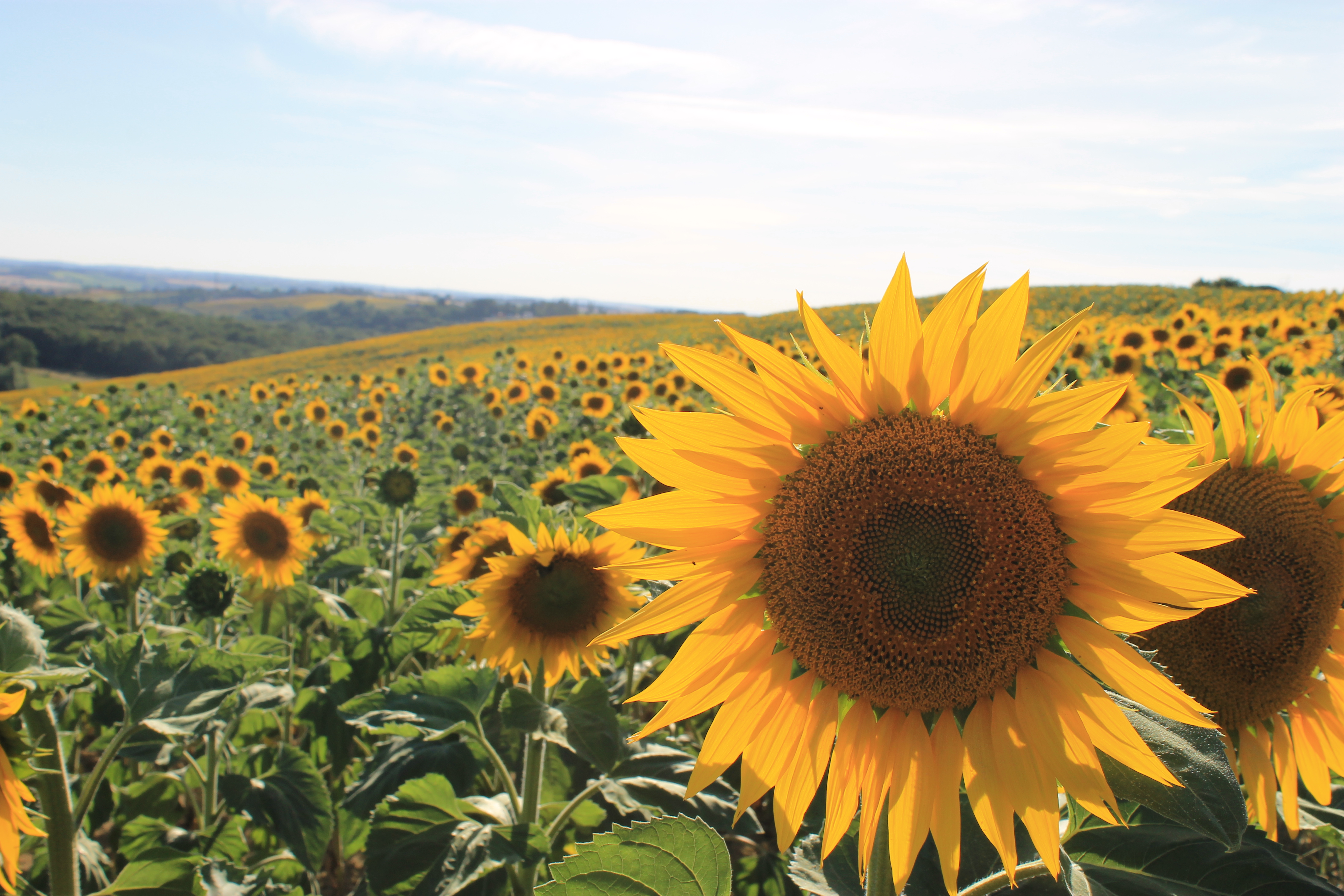
Mastering sunflower cultivation
Sur devis
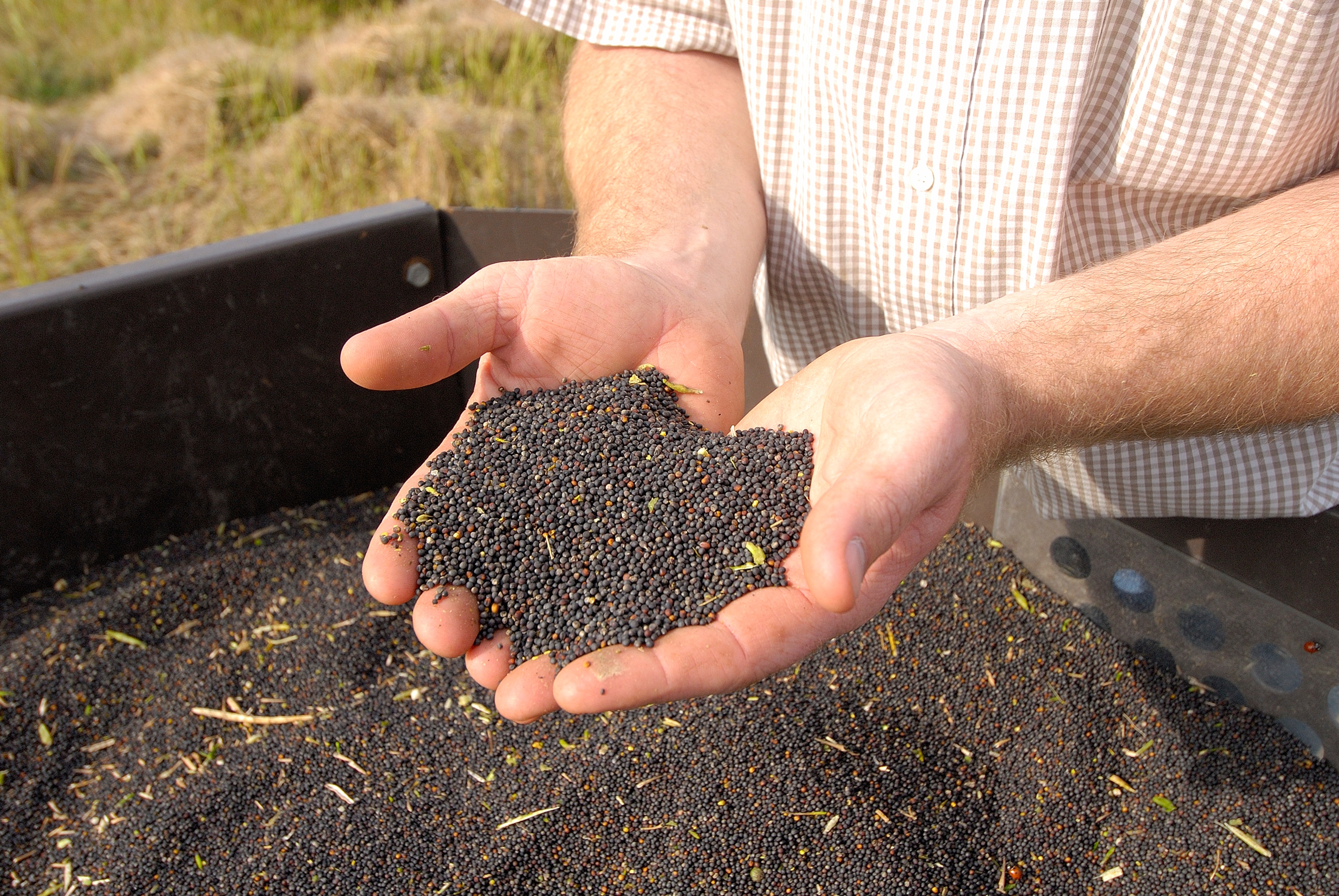
Optimization of crushing and mechanical extraction of oil-protein seeds
Sur devis
Would you like to learn more about sunflower cultivation? SUN live is a distance learning course featuring 7 sequences led by Terres Inovia experts, covering the key practices and moments essential to sunflower success.It is designed to enable you to master the fundamental aspects of the crop, whether this is your first discovery or a refresher course.
Sequence 1: Planting and pests
- Management of intercropping (including cover crops) prior to sunflower cultivation.
- Techniques for successfully establishing a robust sunflower crop in the face of summer constraints.
- Encourage uniform planting and deep rooting.
- Identification of early-cycle pests, assessment of their harmfulness, and presentation of possible control methods.
Sequence 2: Positioning in crop rotation and economic assessment
- Agro-economic characteristics of the sunflower species: a robustness conditioned by careful and optimized cultivation.
- Optimizing sunflower's place in rotations
- What economic impact does sunflower have on cropping systems?
Sequence 3: Weed control
- Complementarity between agronomic, chemical and mechanical solutions
- Presentation of herbicide solutions and programs
- Targets, spectrum, efficacy, selectivity and conditions of use of the main herbicides for sunflower.
Sequence 4: Fertilization
- Specificities of sunflower with regard to nitrogen supply and calculating the dose to be applied
- Rationale for phospho-potassium fertilization
- Sunflower needs in trace elements; focus on boron and molybdenum
Sequence 5: Harvesting and production quality
- Choosing the right time to harvest.
- Presentation of suitable harvesting equipment.
- Good conservation and storage practices.
Sequence 6: Ecophysiology and water efficiency
- Distribution of water requirements throughout the cycle.
- Importance of early-flowering leaf area index and leaf area duration.
- Irrigating sunflowers: an opportunity to be seized.
- Identification of key periods in the cycle and climatic requirements for each growth stage.
- Factors influencing yield and oil content.
Sequence 7: Diseases and cumana broomrape
- Recognition of the main diseases, biological cycle, harmfulness, protection methods, warning and decision-making tools.
- Orobanche cumana: recognition, harmfulness, monitoring and management of affected areas in France
At the end of the course, participants will be able to :
- Identify the key stages of the crop, from planting to harvest, and evaluate their success.
- Diagnose the main problems affecting sunflower cultivation.
- Understand and use decision-support tools to maximize the crop's potential and profitability.
100% digital format: Remote training, accessible from any connected computer.
Active pedagogy: Technical presentations, case studies, feedback, analysis of real-life situations.
Evaluation: End-of-session quiz, questions and answers, individual satisfaction survey, self-assessment.
Online sessions: 7 sequences of 2 hours on Teams, led by Terres Inovia expert engineers.
Theoretical support: Technical presentations, summary documents, decision-making tools (e.g. fertilization calculations, pest and disease identification grids).
Interactivity: Quizzes, live questions and answers, exchanges with trainers and participants.
Digital support: Presentations and resources handed over after each session.
Technicians from development, economic and agri-supply organizations. farmers. Teachers End-of-session quiz, Q&A, individual satisfaction survey, self-positioningIf you have any requests for adaptations to help you succeed in your course, please contact the disability referent:
Christel CARO
Tel: 01 30 79 95 09
Mail: c.caro@terresinovia.fr
Aucun 960€ TTC 5 15 https://public.dendreo.com/4rsx27tf4npws6tp4zAwc/media/m8zxc7kjnnfc95jq3vl2y9rsn8qtkAdkl1ygy9shfndg3wl5pjmfc8ljkjyAA7snpj3g4pj5hjwvs7dsjn5wkz6nk3z2wndzgfrdcwrznntfcpj8 7 Jours 29 Inter-company and intra-companyCOLZA'Live: Understanding rapeseed crop management in 7 sequences
Our other training courses
Managing insect pests in oilseed rape: towards new collective and regional approaches
Sur devis
Dare to introduce cover crops into your cropping systems
Sur devis
Short-circuit production of edible oil
Sur devis
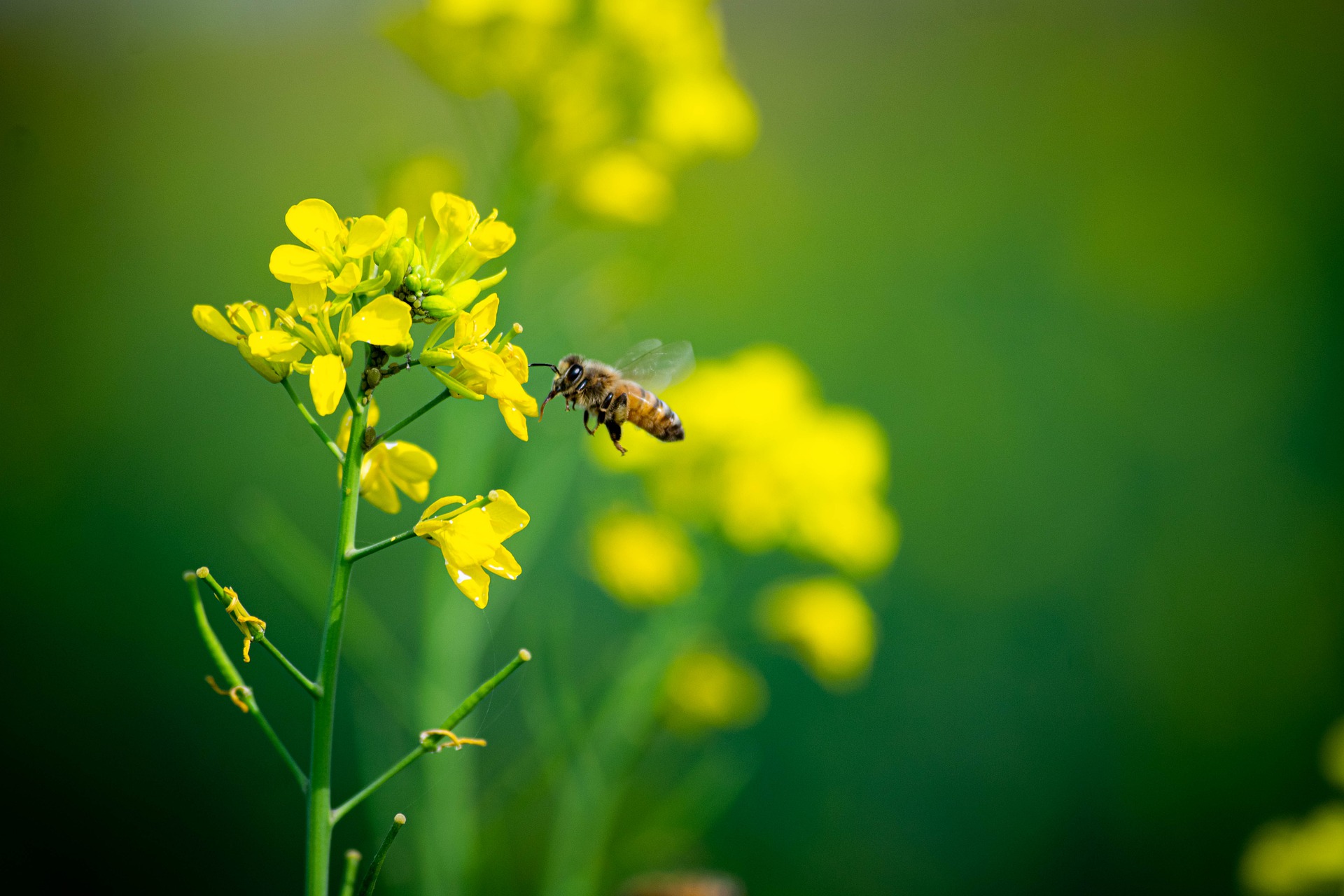
The basics of rapeseed cultivation
Sur devis
Whether you're a beginner or want to update your knowledge, COLZA Live training offers you a complete understanding of rapeseed growing. Thanks to 7 short, interactive sequences, led by experts, you can acquire the essential skills to optimize your farming practices, all in digital format.
Sequence 1: Introduction to the crop and planting
- Global context of rapeseed growing and associated agricultural issues
- Identification of the stages in the rapeseed crop cycle and phenological stages.
- The challenges of rapeseed establishment, the benefits of a robust rapeseed and the key conditions to be achieved, the keys to choosing the optimum establishment techniques according to the context.
Sequence 2: Fertilization
- Rapeseed specificities with regard to nitrogen supply
- Calculation of spring nitrogen dose (Réglette azote colza®) and choice of fractioning strategy
- Rationalization of phosphate, potassium and sulfur fertilization
- Rapeseed needs in trace elements; focus on boron and molybdenum
Sequence 3: Spring pests
- Presentation of the different spring pests: description and development cycle.
- Presentation of the main management strategies
- Presentation of preventive measures (agronomic levers) to limit the impact of pests.
- Nuisibility, risk assessment during the season (presentation of Decision Support Tools and decision rules) and decision-making.
- Choice of insecticides
- Prospects for biocontrol solutions
- Presentation of the main natural enemies.
Sequence 4: Spring diseases
- Review of the main spring diseases: Sclerotinia, Oidium, Alternaria, Mycosphaerella, Phoma, etc.
- Study of the biological cycle and harmfulness of these diseases.
- Control methods available as part of integrated crop protection.
Sequence 5 : Weed control
- Description of the main agronomic control methods.
- Development of herbicide control strategies adapted to weed flora.
- Grass control: Ray-Grass & Vulpin
- Presentation of mechanical control methods and mixed weed control strategies.
Sequence 6: Harvesting and yield components and ecophysiological aspects
- Strategies to limit harvest losses.
- Presentation of the swathing technique to optimize rapeseed harvesting.
- Explanation of the year's yields: rapeseed yield components and favorable factors.
Sequence 7: Autumn pests
- Presentation of the different autumn pests: description and development cycle.
- Presentation of the main management strategies.
- Preventive measures: levers to mobilize upstream to limit risk during the season.
- Nuisibility and risk assessment during the season (presentation of decision-support tools and decision rules).
- Choice of insecticides and slug pellets.
At the end of the course, participants will be able to :
- Understand and master rapeseed cultivation techniques
- Make informed decisions to optimize the crop
- Evaluate the success of rapeseed cultivation
- Optimize rapeseed planting
- Apply effective weed control strategies
- Managing fall and spring pests
- Optimize rapeseed fertilization
- Controlling spring diseases
- Minimize harvest losses
100% digital format: Remote training, accessible from any connected computer.
Active pedagogy: Technical presentations, case studies, feedback.
Evaluation: End-of-session quiz, questions and answers, individual satisfaction survey, self-assessment.
Online sessions: 7 sequences of 2 hours on Teams, led by Terres Inovia expert engineers.
Theoretical support: Presentations, technical documents, ADO proposals.
Interactivity: Quizzes, questions and answers, live exchanges with trainers.
Digital support: Presentations and resources handed over after each session.
Technicians from development, economic and agri-supply organizations. farmers. Teachers End-of-session quiz, Q&A, individual satisfaction survey, self-assessment.If you have any requests for adaptations to help you succeed in your course, please contact the disability referent:
Christel CARO
Tel: 01 30 79 95 09
Mail: c.caro@terresinovia.fr
Aucun 960€ TTC 5 15 https://public.dendreo.com/4rsx27tf4npws6tp4zAwc/media/jzmc9vtrj7yx25d3mmxwqv6vfnjf1mkqmr6Amztbmvrw2552nbvAmqtt4vl254lnnq6Acpj5hjh247kqjyzx3wbwkjwxszsbf8sgg9l3j37Acpj8 7 Jours 28 Inter-company and intra-company