
Agronomic control of chickpea and lentil cultivation in the southwest of France
Our other training courses
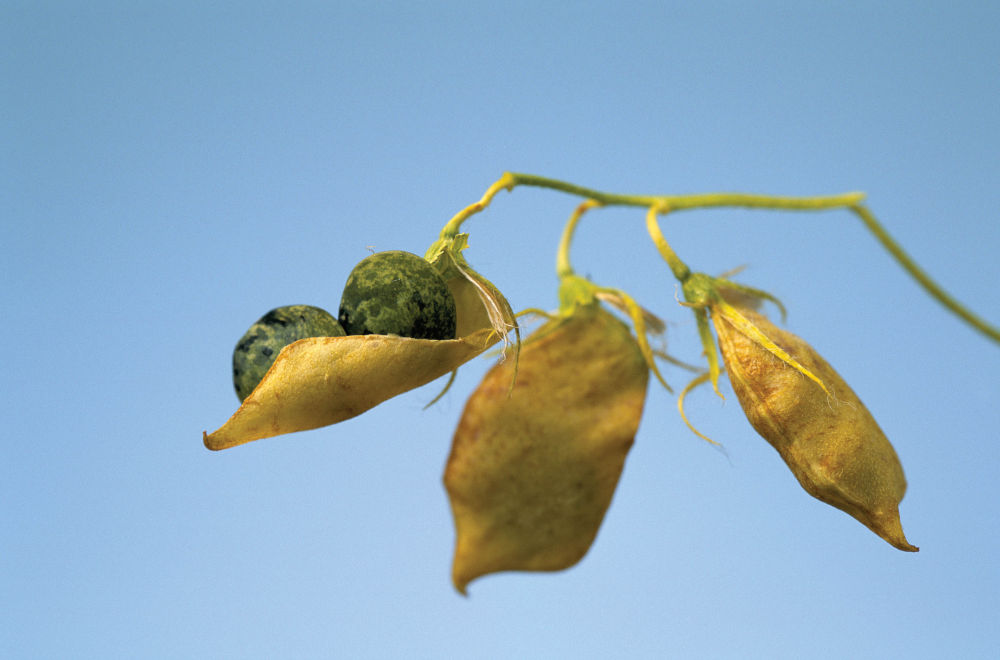
Master the cultivation of lentils, an interesting diversification crop for your rotations!
Sur devis
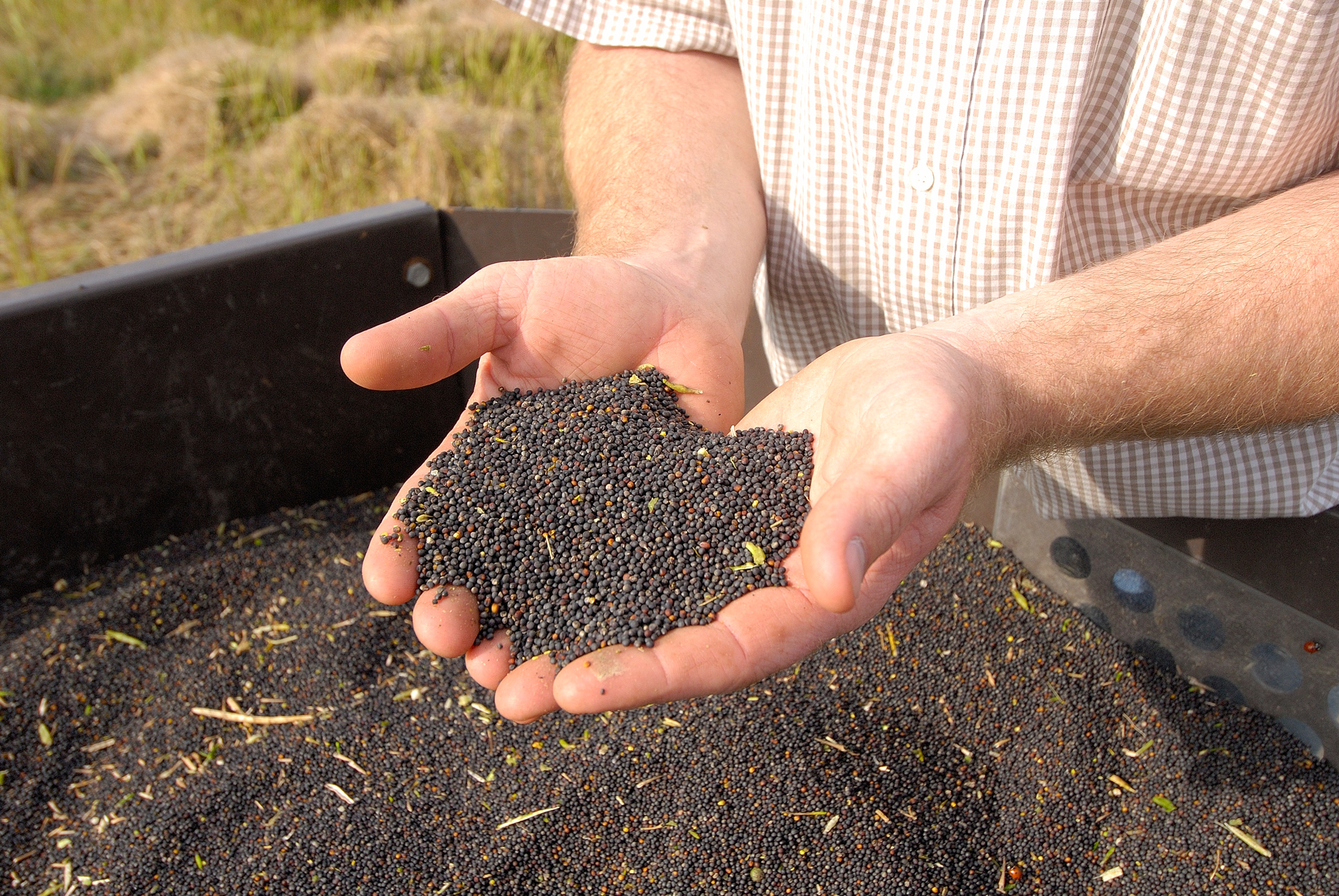
Optimization of crushing and mechanical extraction of oil-protein seeds
Sur devis
Integrating lentils and chickpeas into your crop rotations: a strategic agronomic choice
Lentils and chickpeas are economical, high-performance crops that improve soil fertility, break pest and disease cycles and offer secure outlets. Adapted to the pedoclimatic context of the South-West of France, the training course offers theoretical contributions and visits to master technical itineraries and integrate these legumes sustainably.
Program:
1 Introduction to legumes:
- Definition of legumes and how they work,
- Role of legumes in soil fertilization and crop rotation.
2 - Lentil management in the South-West of France
- Agronomic characteristics: spring species, low-input crop
- Typologies (blond, coral, green) and value-adding opportunities
- Adapting the technical itinerary to regional constraints: soil types, water availability, temperatures, etc.
- Planting, varietal selection, cultural management, fertilization, protection
- Harvesting: optimal conditions, equipment settings
3. chickpea management in the South-West
- Agronomic, environmental and economic benefits
- Regionalized technical itinerary: choice of sowing dates, densities, management in dry conditions, harvesting, storage and contracting.
- Management of pests and diseases specific to the region
4 Focus on organic farming
Training carried out in collaboration with FILEG (free for their members)
At the end of the course, participants will be able to :
- Explain the agronomic functioning of lentil and chickpea crops
- Identify their agronomic, economic and environmental benefits
- Choose species and varieties suited to the soil and climate conditions of the South West of France
- Implement rational crop management: planting, fertilization, weed and pest management
- Diagnose the main crop accidents
- Apply good harvesting and post-harvest practices
- Integrate the specificities of organic farming into the local context
Face-to-face format:
-
In-class technical input: presentations, case studies, interactive discussions
-
Practical application in the field: plot visits, crop observation, etc.
Active methods: Illustrated presentations, debates, questions and answers, feedback
Evaluation: Quizzes, questions and answers, application exercises, individual satisfaction surveys, self-assessment
Theoretical support: Lectures, visual presentations, written material given to participants.
Field visits: Analysis of lentil and chickpea crops in real-life conditions, identification of key technical points.
Practical exchanges: Feedback from field experience and group discussions with the trainer.
Advisors/Technicians from development, economic and agri-supply organizations. Teachers. Farmers Quiz, Q&A, application exercise, individual satisfaction survey, self-positioningIf you have any requests for adaptations to help you succeed in your course, please contact the disability referent:
Christel CARO
Tel: 01 30 79 95 09
Mail: formation@terresinovia.fr
Aucun 480€ TTC 5 15 https://public.dendreo.com/4rsx27tf4npws6tp4zAwc/media/nf6fsAsf4852qmjwlj3gqzsjgv6g97l3mn2x4ml2nbgwsAlx4flhkmk5mjww49tc3nbggpj5hjlw2765g8lhgyzA3fgAc9trjf8hmq5kmfbAcpj8 1 Jour Quentin LAMBERT 94 Inter-company and intra-companyGrowing soybeans successfully in the South-West
Our other training courses
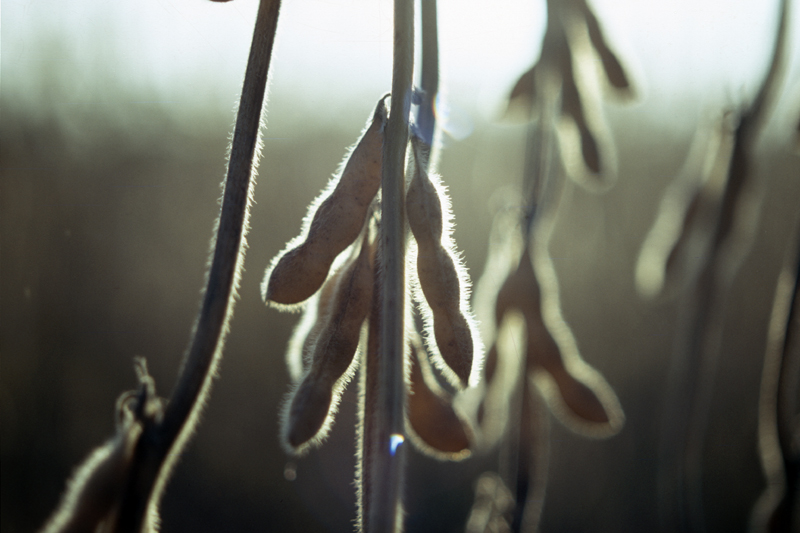
Soya: a strategic crop for sustainable systems
Sur devis
Optimization of crushing and mechanical extraction of oil-protein seeds
Sur devis
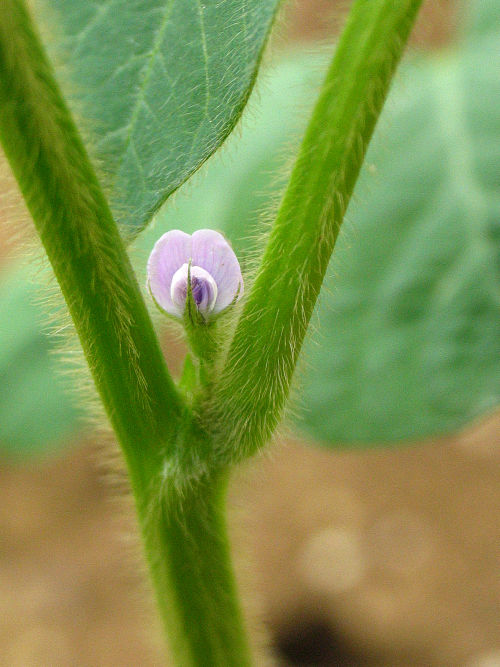
Soybeans: Diagnosing climatic accidents
Sur devis
Soya, a crop of the future to be mastered!
In a context of agro-ecological transition, soybeans are back in the spotlight thanks to their low input requirements and varied outlets. Boosted by regulatory and economic support (protein plan, MAEC, SIE...), this crop offers real opportunities in both conventional and organic farming. This training course will provide you with a comprehensive, practical technical approach to successfully manage each stage of the crop, secure your yields and make the most of your production.
The program includes
1 Plant and canopy functioning:
- Key aspects of soybean physiology and phenology
- Highlighting levers for improving yields
2 - Cultural management adapted to the South-West :
- Planting
- Weed management
- Crop protection
- Water management
- Harvest control
3 Diagnosis of major accidents :
- Recognition of soybean pests
- Identification of root and leaf diseases
- Frequent climatic accidents in the South West
4 Approach to organic crop management
5 - Soybeans in catch crops: some indicators
Training organized in collaboration with FILEG (free for their members)
At the end of the course, participants will be able to :
- Understand how plants function
- Analyze the factors influencing yield and the technical levers for optimization
- Recommend key cultivation techniques for successful soybean cultivation
- Implement good harvesting practices
- Detect and diagnose major crop failures (pests, diseases, abiotic stresses)
- Adapt crop management to the specificities of organic agriculture
Face-to-face format (1 day) :
-
Theoretical input via illustrated presentations and case studies.
-
Interactive exchanges between participants and trainers to share experiences and questions.
Active methods: Presentations, case studies, debates, questions and answers.
Evaluation: Quiz, Q&A, individual satisfaction survey, self-assessment.
Theoretical support: Lectures, presentations, written material given to participants.
Case studies: Feedback from the field to illustrate best practices and solutions.
Exchange of practices: Discussions and sharing between trainees and trainers.
Agricultural technicians and advisors, Farmers and producers, Agricultural teachers and trainers, Agronomic and technical sales managers in agricultural distribution, Agri-food / processing industry players Quiz, Q&A, individual satisfaction survey, self-positioning.If you have any requests for adaptations to help you succeed in your course, please contact the disability referent:
Christel CARO
Tel: 01 30 79 95 09
Mail: formation@terresinovia.fr
Aucun 480€ TTC 5 15 https://public.dendreo.com/4rsx27tf4npws6tp4zAwc/media/jv72wsdgmr5hgzdf4ztwyrdxmngvm7dw4brh16cxj27A2wrr38rcwz53hbfgy5lmmzt25pj5hj6x1Azrj77v46cnn83w99jvgngs98bvgzhfcpj8 1 Jour Quentin LAMBERT 93 Inter-company and intra-companyDare to use cover crops in your cropping systems
Direct seeding under plant cover (DMCS) combines the cessation of tillage with the establishment of permanent soil cover. Today, this is the most advanced form of conservation agriculture.
The agronomic benefits of these techniques are major, but only become real and lasting once farmers have mastered the system. Providing participants with the keys to the success of this system is the major challenge of this course.
Program:
Theoretical part (distance learning):
- Typology of plant cover crops (annual and permanent): species, associations, agronomic benefits
- Use and presentation of the ACACIA tool
- Construction of a coherent SDCV technical itinerary
- Rationalization of rotations
- Establishing, maintaining and regulating cover crops
- Nutrition, weed, pest and disease management
- Crop associations and agronomic performance
- Economic and environmental analysis of SDCV practices
Field part (either in Baziège (31) or in Nièvre (58)):
- Visit to SDCV plots
- Soil profile and interpretation
- Exchange of practices
At the end of the course, participants will be able to :
- Explain the agronomic functioning of a direct seeding system under permanent cover
- Identify the plant species that can be used according to their objective and the local soil and climate context
- Develop a permanent soil cover strategy adapted to their cropping system;
- Master the key factors for a successful transition to direct seeding under permanent cover (rotation, fertility, cover crop management, pest management, etc.).
- Evaluate the economic and environmental impact of using direct seeding under cover.
Hybrid format:
- Distance learning theory (2 half-days): Technical inputs, case studies, interactive quizzes.
- Field practice (1 day): Analysis of plots, interpretation of soil profiles, exchanges with practicing farmers.
Active methods: Presentations, debates, questions and answers, practical work.
Evaluation: Quiz, Q&A, individual satisfaction survey, self-assessment.
Theoretical support: Lectures, presentations, written material given to participants.
Management tool: Use and presentation for choosing and managing plant cover crops.
Plot visits: Observation and analysis of soil profiles in real-life situations.
Exchange of practices: Feedback and discussion between participants and trainers.
Farmers in a transition phase or wishing to optimize their practices; Agricultural technicians and advisors (cooperatives, chambers of agriculture, agri-supply companies); Agricultural high school teachers and agro-ecology trainers. Quiz, Q&A, individual satisfaction survey, self-positioning
If you have any requests for adaptations to help you succeed in your course, please contact the Disability Advisor:
Christel CARO
Tel: 01 30 79 95 09
Mail: formation@terresinovia.fr
Aucun 960€ TTC 5 https://public.dendreo.com/4rsx27tf4npws6tp4zAwc/media/mfb238dlgvr2c8btgjsAgsldgznhc8zAmz1xs8sp4r7f3mrrljgg37lyhb8f3ytk4nx2spj5hjrxms5blfwgc7sfl1xA35cymzx2g7lzgqzw4pj8 4 Jours Michael GELOEN 90 Inter-company and intra-companyHemp: a high-potential crop that requires careful management
Our other training courses
Optimization of crushing and mechanical extraction of oil-protein seeds
Sur devis
A no-input crop requiring limited fertilization, hemp responds particularly well to the mastery of basic production techniques. The expansion of outlets (construction, automotive, textiles, human food) makes hemp a crop with interesting development potential. In terms of surface area, France is currently the world's 2nd largest producer.
Program:
- Presentation of the hemp industry: history, players and organization of the sector
- Hemp outlets: Main value-added sectors (textiles, construction, food, etc.)
- Hemp physiology: Understanding the key biological elements for optimized cultivation, and adaptability to climate change.
- Specificities of hemp cultivation: Adaptation to soils, choice of varieties, water and nutrient requirements.
- Harvesting techniques: methods and equipment for efficient hemp harvesting
- Identifying the main phytosanitary problems: Damage observed on the crop and prevention strategies
At the end of the course, participants will be able to :
- Explain the organization of the hemp industry and its various stages of development
- Analyze the agronomic, economic and environmental issues involved in growing hemp
- Identify and recommend the key cultivation techniques for successful hemp cultivation for different outlets.
Theoretical presentations in the classroom: clear, concise presentations on the hemp industry, its challenges, cultivation techniques and outlets.
Discussions and debates: time for interaction between participants and the trainer to share experiences, ask questions and explore key points in greater depth.
Plot visits: hands-on observation of cultivation techniques, varieties, development stages and any phytosanitary problems.
Interactive approach: the trainer, hemp expert Louis Marie ALLARD, leads the session in a dynamic way, drawing on feedback and case studies.
Evaluation: End-of-session quiz, questions and answers, individual satisfaction survey, self-assessment.
Visual aids: illustrated presentations (diagrams, photos, graphs) to facilitate understanding of technical and economic concepts.
Pedagogical documents: handing out synthetic aids (data sheets, guides, memos) to enable participants to keep a written record of key information.
Knowledge acquisition tests: quizzes or questions and answers to assess participants' understanding and reinforce important points.
Plot visits: direct observation of crops, soils, varieties and cultivation practices, for hands-on immersion.
Development technicians, agri-supply and distribution professionals, teachers, farmers. End-of-session quiz, Q&A, individual satisfaction survey, self-positioningIf you have any requests for adaptations to help you succeed in your course, please contact the disability referent:
Christel CARO
Tel: 01 30 79 95 09
Mail: formation@terresinovia.fr
Aucun 240€ TTC 5 15 https://public.dendreo.com/4rsx27tf4npws6tp4zAwc/media/nntw98djkrbAcrl5pjxw46kbmfywgsk4mzsdmzlr3qzxcq5d475hm9brkjh279tymzkAspj5hj3v3slvknA2c9rw3zlv3yjtn3xAcmkAkf5h4pj8 1 Jour Louis-Marie ALLARD 50 Inter-company and intra-companyMastering sunflower cultivation
Our other training courses
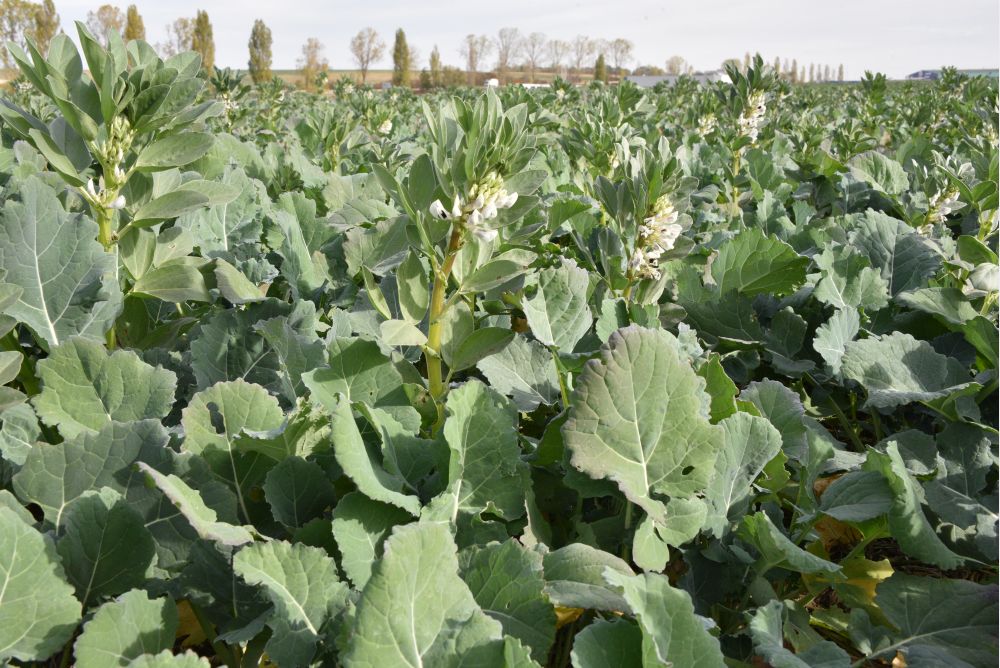
Dare to use cover crops in your cropping systems
Sur devis

Short-circuit production of edible oil
Sur devis
Optimization of crushing and mechanical extraction of oil-protein seeds
Sur devis
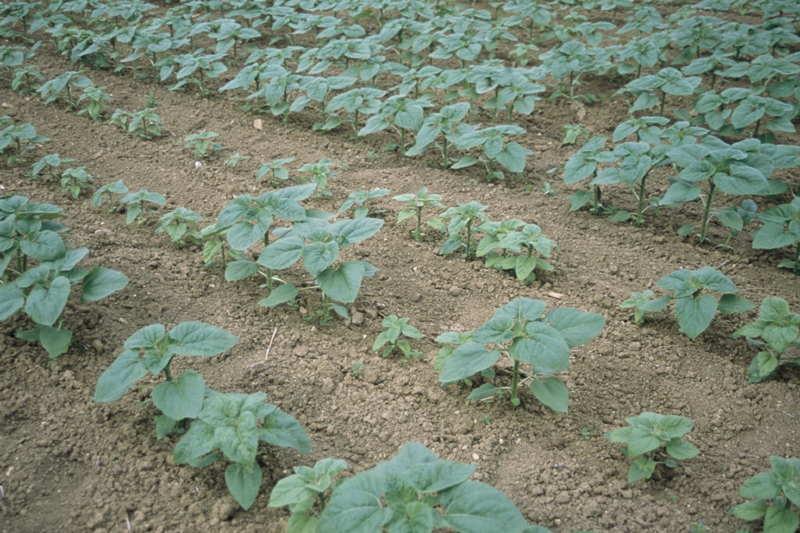
Sunflower: Decipher the diseases!
Sur devis
A sustainable, competitive crop that provides ecosystem benefits, sunflower needs to be managed carefully to achieve its full potential. This training course provides you with the technical keys and agronomic benchmarks you need to secure your itineraries and maximize field performance.
Program:
- Plant physiology: the key stages in sunflower development, and the main abiotic factors influencing yield.
- Crop management: intercropping, planting, fertilization, weed control (including post-emergence), plant protection, irrigation, harvesting
- Analysis and management of crop accidents: identification, causes, means of action
At the end of the course, participants will be able to :
- recommend the key cultivation techniques for a successful technical itinerary in sunflower
- diagnose major accidents that may occur during the crop cycle
Hybrid format:
-
Remote theory (2 hours): Technical inputs, case studies, interactive quizzes via Teams.
-
Field practice (1 day): Analysis of plots, observation of development stages, diagnosis of crop accidents, exchanges with the trainer.
Active methods: Presentations, discussions, debates, questions and answers, case studies, field diagnostics.
Evaluation: Quiz, oral questions and answers, individual satisfaction survey, self-assessment at start and end of training.
Theoretical support: Lectures, presentations, written material given to participants.
Management tools: Presentation of technical levers for adapting cropping itineraries to specific contexts.
Field visits: Observation and diagnosis in the field to analyze development stages and crop accidents.
Practical exchanges: Feedback, discussions and debates between participants and trainer to enhance learning.
Technicians from development, agri-supply and distribution organizations. Farmers. Teachers. Quizzes, oral questions and answers, individual satisfaction survey, self-assessment at the beginning and end of the courseIf you have any requests for adaptations to help you succeed in your course, please contact the disability referent:
Christel CARO
Tel: 01 30 79 95 09
Mail: formation@terresinovia.fr
Aucun 700€ TTC 5 15 https://public.dendreo.com/4rsx27tf4npws6tp4zAwc/media/jzldgwbA4zzf2qkx3v7t2ztqk8qA3Akqmjcdcyl44y7Am6syljsgyAjwjj5vsqldfn5vkpj5hjtgq9trgjjt2wcllfvtqr5qpjcvmAdmkn5h4pj8 2 Jours 49 Inter-company and intra-companyMaster the cultivation of lentils, an interesting diversification crop for your rotations!
Our other training courses
Agronomic control of chickpea and lentil cultivation in the southwest of France
Sur devis
Optimization of crushing and mechanical extraction of oil-protein seeds
Sur devis
A spring crop with many advantages, lentils lengthen rotations, break the cycle of pests and diseases, and require no nitrogen, making them particularly well-suited to the current context. Although lentils are often compared with faba beans and protein peas, they have their own specific technical itinerary, which needs to be mastered to guarantee satisfactory yields. This training course will help you to grow it successfully, whether organically or conventionally, by making the right technical choices.
Program:
- International and national context
- Lentil physiology and phenology: fundamental principles and key aspects
- Cultural management and associated decision-making rules (planting, varietal choice, crop associations, weed management)
- Harvesting techniques adapted to lentils
- Identification and management of the main damage observed on the crop
- Specific features of lentil production in organic farming
- Plot visits and practical crop analysis
At the end of the course, participants will be able to :
- Understand the international and national production context, as well as the major challenges facing the industry.
- Identify the strengths and weaknesses of the species
- Design and implement appropriate crop management: previous crops, planting, choice of inputs, etc.
- Implement and/or recommend key cultivation techniques for successful lentil cultivation in organic and conventional farming.
- Diagnose the main accidents observed in cultivation
- Define good harvesting practices
Hybrid format:
-
Theory in the classroom: Technical inputs on crop management, discussions and debates.
-
Field practice: Plot visits, observation of development stages, crop analysis in real-life conditions.
Active methods: Presentations, case studies, questions and answers, sharing of experiences between participants and trainer.
Evaluation: Quizzes, oral exchanges, individual satisfaction surveys, self-assessment.
Theoretical support: Lectures, visual presentations, written material given to participants.
Field observation: Plot visits and observation under real conditions to link theory and practice.
Practical exchanges: Feedback from experience, discussions on concrete cases encountered in the field.
Technical tools: Presentation of useful references and documents for monitoring technical developments in cultivation.
Development technicians, agri-supply and distribution professionals, teachers, farmers. Quizzes, oral exchanges, individual satisfaction surveys, self-assessment.If you have any requests for adaptations to help you succeed in your course, please contact the disability referent:
Christel CARO
Tel: 01 30 79 95 09
Mail: formation@terresinovia.fr
Aucun 480€ TTC 5 15 https://public.dendreo.com/4rsx27tf4npws6tp4zAwc/media/jnbw46rl4j1wqvjwpjgAmt63jzn2yws4pbj2ktdgn8n24663gj2g7wdsgnktqqlkjvkt3pj5h36tg6rxmy5Aymjt3ztgg75qmrbh25lwgfxvcpj8 1 Jour Zoé LE BIHAN 45 Inter-company and intra-companySoya: a strategic crop for sustainable systems
Our other training courses
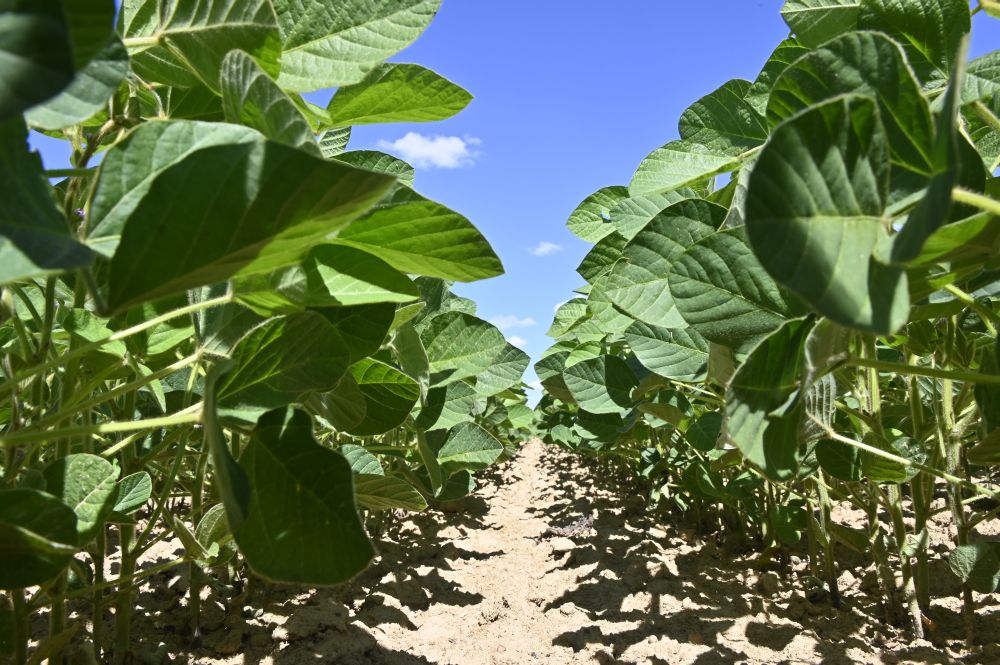
Growing soybeans successfully in the South-West
Sur devis
Optimization of crushing and mechanical extraction of oil-protein seeds
Sur devis
Soybeans: Diagnosing climatic accidents
Sur devis
Soya, a crop of the future to be mastered!
In a context of agro-ecological transition, soybeans are back in the spotlight thanks to their low input requirements and varied outlets. Boosted by regulatory and economic support (protein plan, MAEC, SIE...), this crop offers real opportunities in both conventional and organic farming. This training course will provide you with a comprehensive, practical technical approach to successfully manage each stage of the crop, secure your yields and make the most of your production.
The program includes
1 Plant and canopy functioning:
- Key aspects of soybean physiology and phenology
- Highlighting levers for improving yields
2 - Cultural management and associated decision-making rules:
- Planting
- Weed management
- Crop protection
- Water management
- Harvest control
3 Diagnosis of major accidents :
- Recognition of soybean pests
- Identification of root and leaf diseases
- Frequent climatic accidents
4 Approach to organic crop management
5 Soybeans in catch crops: a few indicators
At the end of the course, participants will be able to :
- Understand how plants function
- Analyze the factors influencing yield and the technical levers for optimization
- Recommend key cultivation techniques for successful soybean cultivation
- Implement good harvesting practices
- Detect and diagnose major crop failures (pests, diseases, abiotic stresses)
- Adapt crop management to the specificities of organic farming
Face-to-face format (1 day) :
-
Theoretical input via illustrated presentations and case studies.
-
Interactive exchanges between participants and trainers to share experiences and questions.
Active methods: Presentations, case studies, debates, questions and answers.
Evaluation: Quiz, Q&A, individual satisfaction survey, self-assessment.
Theoretical support: Lectures, presentations, written material given to participants.
Case studies: Feedback from the field to illustrate best practices and solutions.
Exchange of practices: Discussions and sharing between trainees and trainers.
Agricultural technicians and advisors, Farmers and producers, Agricultural teachers and trainers, Agronomic and technical sales managers in agricultural distribution, Agri-food / processing industry players Quiz, Q&A, individual satisfaction survey, self-positioning.If you have any requests for adaptations to help you succeed in your course, please contact the disability referent:
Christel CARO
Tel: 01 30 79 95 09
Mail: formation@terresinovia.fr
Aucun 480€ TTC 5 15 https://public.dendreo.com/4rsx27tf4npws6tp4zAwc/media/hbjx4nt34fAg5zdd3vdfs5c3g2vA366pj1vv2vbpm8wx2t5xjbdvczkfgn5xc6dmnfsvcpj5hjgfmrdg3f6x3Ads4bngsk6hjy6fgmjwpfd2cpj8 1 Jour 44 Inter-company and intra-companyThe basics of rapeseed cultivation
Our other training courses

Managing insect pests in oilseed rape: towards new collective and regional approaches
Sur devis
Dare to use cover crops in your cropping systems
Sur devis
Short-circuit production of edible oil
Sur devis
Optimization of crushing and mechanical extraction of oil-protein seeds
Sur devis
As rapeseed evolves, so does your knowledge!
With the rapid evolution of varieties, technical itineraries and decision-making tools, this training course offers a complete update on how to optimize rapeseed cultivation. Whether you're an experienced technician or a beginner, you'll discover the keys to success: genetic innovations, high-performance agronomic levers and benchmarks for making the right decisions at every stage of the campaign.
Day program :
- Yield development diagram and yield components
- Influence of different cultivation techniques
- Results of trials and surveys
- Main cropping decisions and decision rules
At the end of the course, participants will be able to:
- Identify rapeseed yield components and how they are determined
- Analyze the impact of cultivation practices on crop performance
- Select the varieties and inputs best suited to their soil and climate conditions and production objectives
- Adapt technical itineraries according to development stages and conditions encountered
- Make informed decisions throughout the growing season, based on technical, economic and agronomic data.
Active teaching methods: Technical presentations, case studies, feedback, alternating between theoretical input and feedback from field experience.
Evaluation: End-of-session quiz, questions and answers, individual satisfaction survey, self-assessment.
Theoretical support: Lectures, presentations, written material given to participants.
Exchange of practices: Feedback and debates between participants and trainers.
Interactivity: Quizzes, questions and answers, live exchanges with trainers.
Digital supports: Presentations and resources handed out after each session.
Technicians from development, economic organizations and the agri-supply industry. Teachers End-of-session quiz, Q&A, individual satisfaction survey, self-assessment.If you have any requests for adaptations to help you succeed in your course, please contact the disability referent:
Christel CARO
Tel: 01 30 79 95 09
Mail: formation@terresinovia.fr
Aucun 480€ TTC 5 15 https://public.dendreo.com/4rsx27tf4npws6tp4zAwc/media/gvhtcAdgnndxqAlgg8vAks6n3j6fg9tsj8vg4kzpmnxf4qk2gfhtmAsqkbyg5yzz4zcAspj5hjyAg9k5hbAg4sttlb3A4v544ncAwtcrljvAcpj8 1 Jour 40 Inter-company and intra-companySoybeans: Diagnosing climatic accidents
Our other training courses
Growing soybeans successfully in the South-West
Sur devis
Soya: a strategic crop for sustainable systems
Sur devis
Optimization of crushing and mechanical extraction of oil-protein seeds
Sur devis
Hail, heatstroke, thunderstorms... Do you really know how to recognize a climatic accident on soybeans?
Yield losses due to climatic hazards are on the rise, and an error in diagnosis can compromise compensation or effective intervention. This training course will give you the reflexes you need to accurately identify climatic damage and differentiate it from other causes (diseases, pests, deficiencies, etc.). Gain in responsiveness, reliability... and expertise.
Program:
1. soybean physiology
- Key stages in development
- Factors influencing yield production
2 Cultural management and critical points
- Emergence, flowering, pod filling
- Impact of practices on performance
3.crop accidents - typology and recognition
- Climatic hazards: hail, heat stroke, excess water, strong winds
- Pest and disease damage
- Nutritional deficiencies and abiotic stress
- Phytotoxicities (herbicides)
- Other observable anomalies
On completion of the course, participants will be able to:
- Explain the key elements of soybean physiology in relation to crop management and yield formation.
- Identify sensitive phases in soybean development, from emergence to harvest.
- Diagnose the main climatic accidents (hail, wind, heat, storms, etc.).
- Differentiate between other causes of damage: diseases, pests, nutritional deficiencies, phytotoxicities, etc.
Face-to-face format:
-
Classroom contributions: Presentation of the types of climatic accidents, case studies, application exercises.
-
Field observation (if conditions are favorable): Analysis of real-life situations in the field (depending on date and availability of sites).
Active methods: Presentations, discussions, questions and answers, case studies, applied diagnostics.
Evaluation: Quiz, questions and answers, practical exercises, self-assessment, individual satisfaction survey, self-assessment.
Theoretical support: Presentations, lectures, summary documents given to participants.
Case studies: Real-life situations analyzed collectively, according to context.
Exchange of practices: Feedback between participants and trainers to enrich diagnoses.
Agricultural technicians and advisors, Employees of agricultural cooperatives and sales outlets (agronomy and technical sales departments), Agricultural insurance experts or inspectors, Soybean industry managers, Teachers and trainers, Farmers looking to improve their skills or carry out self-diagnosis on their plots of land Quiz, Q&A, self-positioning, individual satisfaction survey.If you have any requests for adaptations to help you succeed in your course, please contact the disability referent:
Christel CARO
Tel: 01 30 79 95 09
Mail: formation@terresinovia.fr
Aucun 240€ TTC 5 15 https://public.dendreo.com/4rsx27tf4npws6tp4zAwc/media/mvwgk65Akbww49dtgfA2mAdtjyytqs5rj7zt14cp38wx2n5knz2g3s5vk25fg7lzjjlAcpj5hjcxc55rfncs9Ack38kAgvd2jqvxqrsA4Axvcpj8 1 Jour 34 Inter-company and intra-companySunflower: Diagnosing climatic accidents
Our other training courses
Dare to use cover crops in your cropping systems
Sur devis
Short-circuit production of edible oil
Sur devis
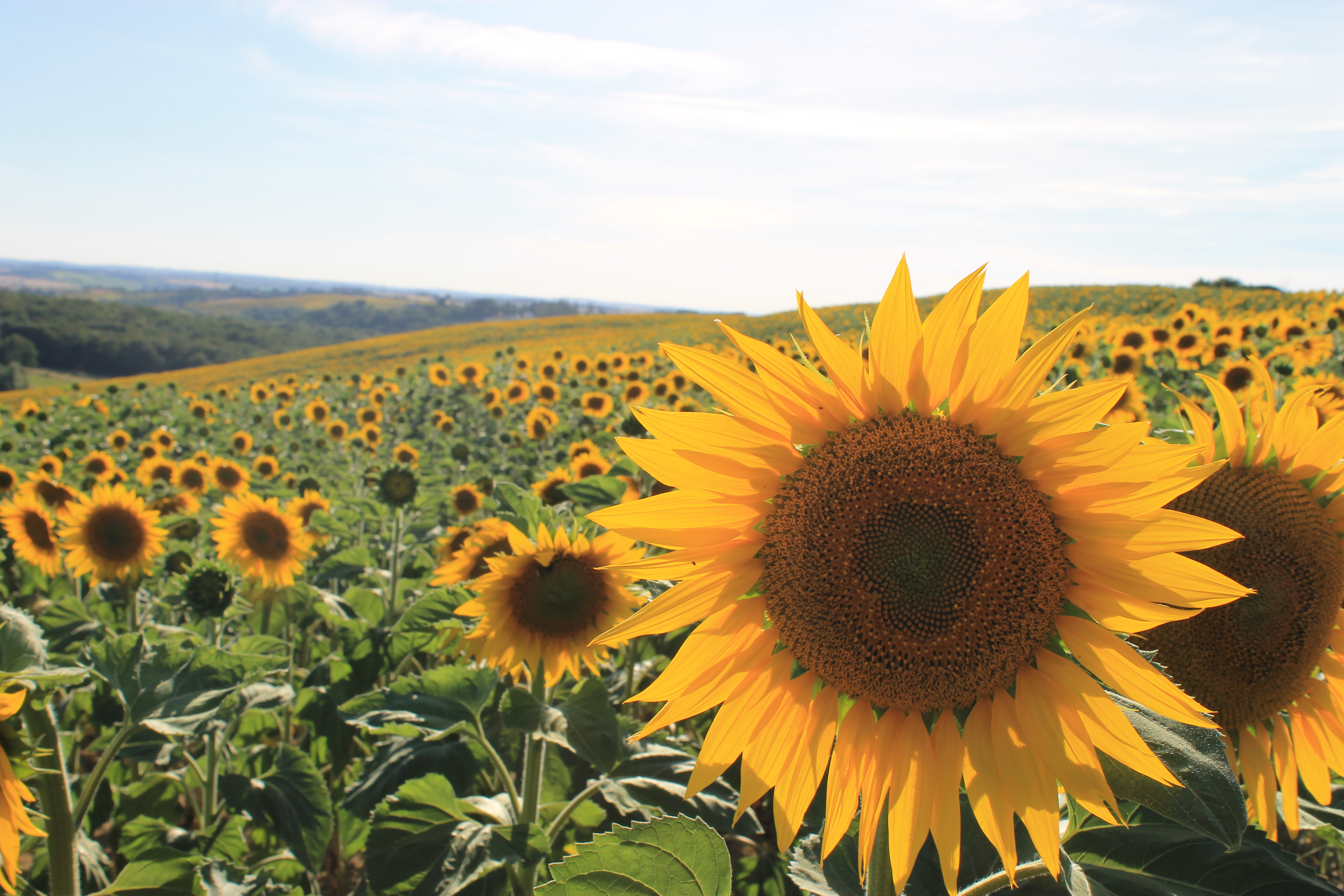
Mastering sunflower cultivation
Sur devis
Optimization of crushing and mechanical extraction of oil-protein seeds
Sur devis
Climatic events regularly have an impact on sunflower yields. For insurers and field technicians alike, it is essential to distinguish precisely between weather-related damage and that caused by other factors (diseases, pests, deficiencies, phytotoxicities). This training course will give you the keys to accurately observe, analyze and diagnose sunflower claims, in order to inform your decisions and avoid misinterpretations.
The program includes
- Elements of physiology: key stages of the crop
- Sensitive points in crop management
- Main crop accidents: Weather-related accidents, Pest damage, Disease damage, Nutritional deficiencies, Herbicide-related phytotoxicities, Other accidents
At the end of the course, participants will be able to :
- Understand the key elements of sunflower physiology influencing crop management and yield formation.
- Identify sensitive points in sunflower cultivation, from emergence to harvest, in relation to growing conditions.
- Diagnose the main climatic accidents that can affect sunflowers: hail, wind, heat stroke, storms, etc.
- Recognize other accidents that can affect sunflower crops: pests, diseases, deficiencies, etc.
Face-to-face format:
-
Theory in the classroom: Technical inputs, case studies, interactive exchanges.
-
Practical in the field (subject to favorable conditions): Diagnosis of plots, observation of climatic accidents (subject to favorable conditions), collective analysis of situations encountered.
Active methods: Presentations, discussions, questions and answers, role-playing, analysis of real-life cases.
Evaluation: Quiz, questions and answers, self-assessment at start and end of training, individual satisfaction survey.
Theoretical support: Lectures, presentations, written material given to participants.
Observation tools: Diagnostic grids and damage recognition sheets.
Plot visits: Analysis of accidents under real conditions (climate, phytotoxicity, diseases, etc.) if present.
Practical exchanges: Feedback and discussions between participants and trainer to enhance diagnosis.
Agricultural technicians and advisors, Employees of agricultural cooperatives and sales outlets (agronomy and technical sales departments), Agricultural insurance experts or inspectors, Soybean industry managers, Teachers and trainers, Farmers seeking to improve their skills or carry out self-diagnosis on their plots of land. Quiz, Q&A, self-assessment at start and end of training, individual satisfaction survey, self-positioning.If you have any requests for adaptations to help you succeed in your course, please contact the disability referent:
Christel CARO
Tel: 01 30 79 95 09
Mail: formation@terresinovia.fr
Aucun 480€ TTC 5 15 https://public.dendreo.com/4rsx27tf4npws6tp4zAwc/media/3vcgAmsdjq72385l3rk2qz5w4jbg3rk2jvyt1ys2lbkA7ykfpbAd2ytnj8xw3k62j2ytqpj5hj7dq6d3kfzwwy52hfjh46jljvzdgz52jyvw4pj8 1 Jour Matthieu ABELLA 33 Inter-company and intra-company