
Description
Given the fungal diseases that threaten sunflowers, it is crucial to be able to identify them quickly in order to protect your crops. Downy mildew, Sclerotinia, Phomopsis… these diseases can significantly impact your yields if left unchecked. This hands-on training will enable you to effectively recognize these diseases, understand how they develop, and take targeted actions to limit their effects. Don’t let pests compromise your harvests—come hone your skills and optimize your practices!
On the agenda:
- Presentation of various sunflower diseases and key aspects of their epidemiology (life cycle, conditions favorable to their development)
- When to look for and how to identify these diseases in the field
- Risks of misidentification
- Methods for controlling the main sunflower diseases
Training objectives
By the end of the training, participants will be able to:
- Recognize the main symptoms of fungal diseases affecting sunflower crops
- Apply rapid observation and identification techniques in real-world conditions (in the field)
- Distinguish primary diseases from secondary conditions or potential sources of confusion
- Understand the various control measures for the major diseases
Teaching methods
In-person format: A one-day session combining classroom instruction with hands-on fieldwork (depending on agronomic conditions). Activelearning methods: Illustrated presentations, field observations, real-world case studies, participant discussions, and Q&A sessions.
Assessment: Quizzes, oral Q&A, observation exercises, individual satisfaction surveys, and self-assessment.
Teaching resources
Theoretical materials: Classroom lectures, illustrated presentations, technical documents provided to participants. Identificationtools: Observation checklists, comparative photos, disease fact sheets to facilitate identification in real-world conditions.
Field diagnosis: Observation of affected plots (depending on conditions), group analysis of symptoms and contributing factors.
Exchange of best practices: Discussions, feedback, and lively debates between participants and the trainer.
Assessment methods
Quizzes, oral Q&A sessions, individual satisfaction surveys, and self-assessment at the beginning and end of the trainingAccessibility information
If you need any accommodations to help you succeed in your program, please contact the disability coordinator:
Christel CARO
Phone: 01 30 79 95 09
Email: formation@terresinovia.fr
Our other training courses
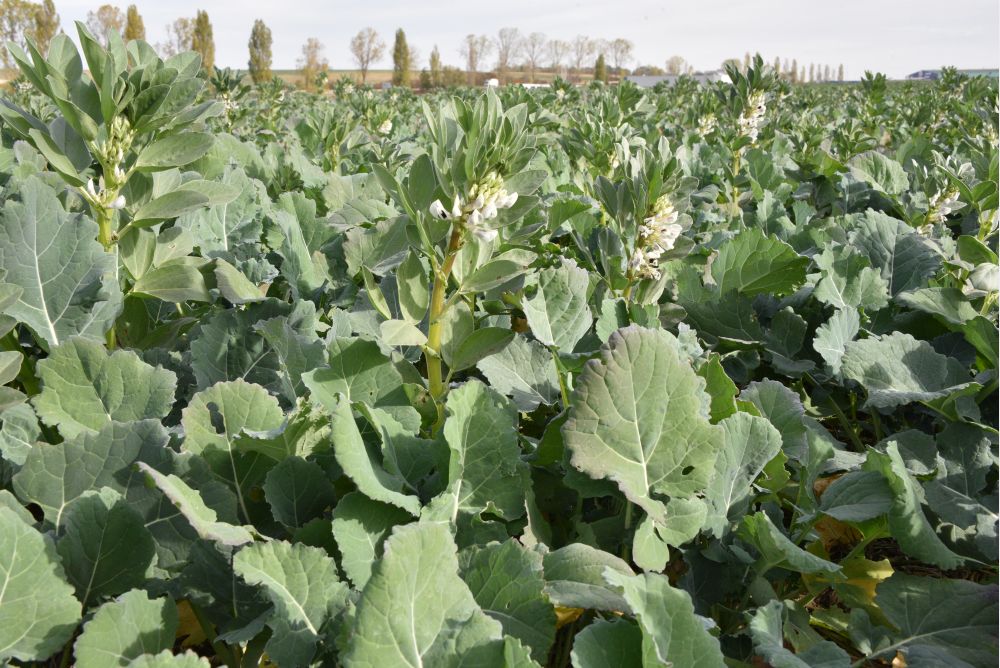
Try incorporating cutlery into your farming systems
Sur devis
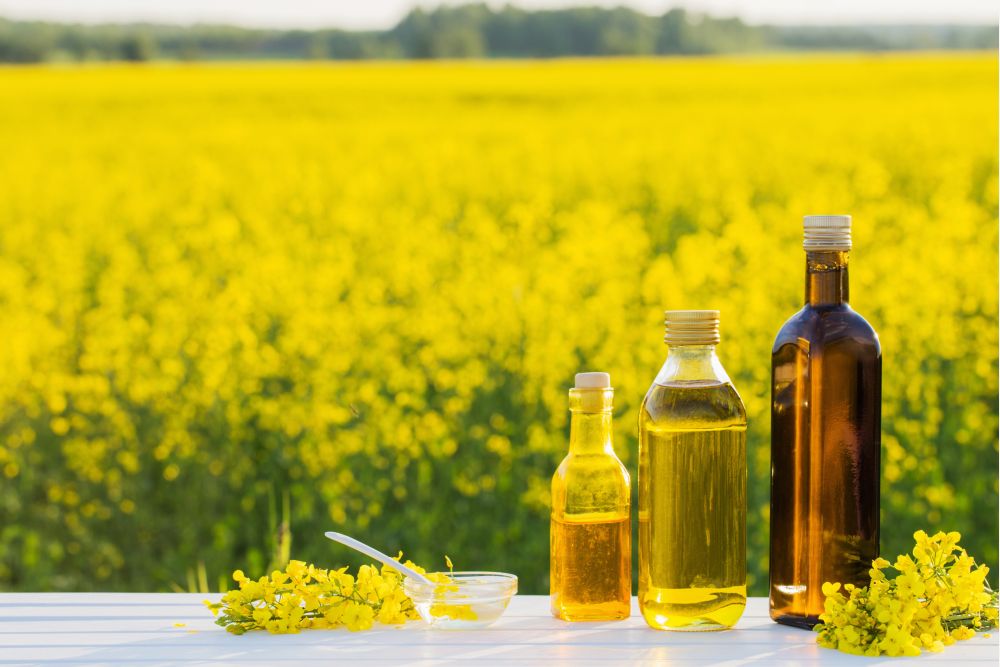
Production of edible oil through a short supply chain
Sur devis
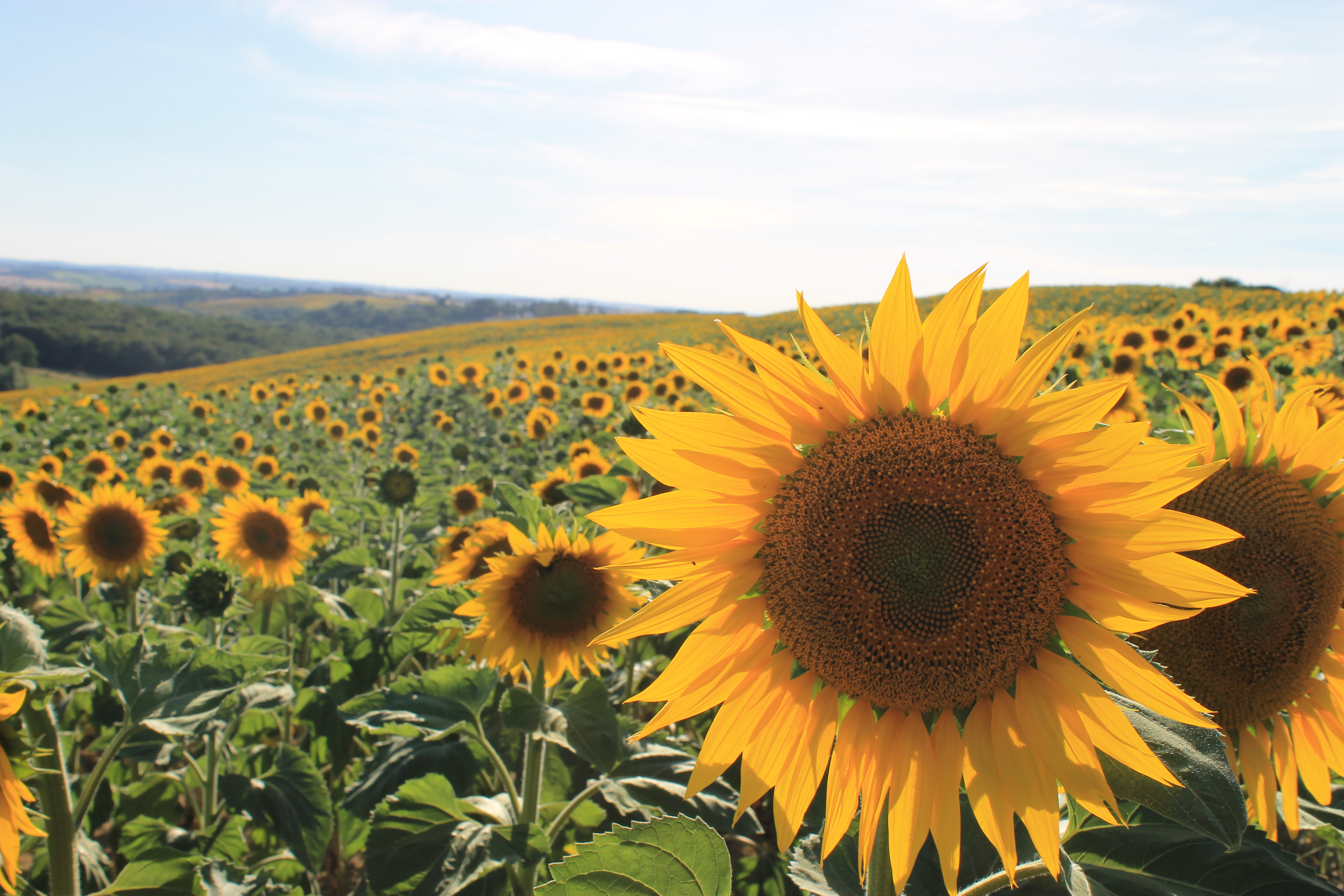
Mastering Sunflower Cultivation
Sur devis
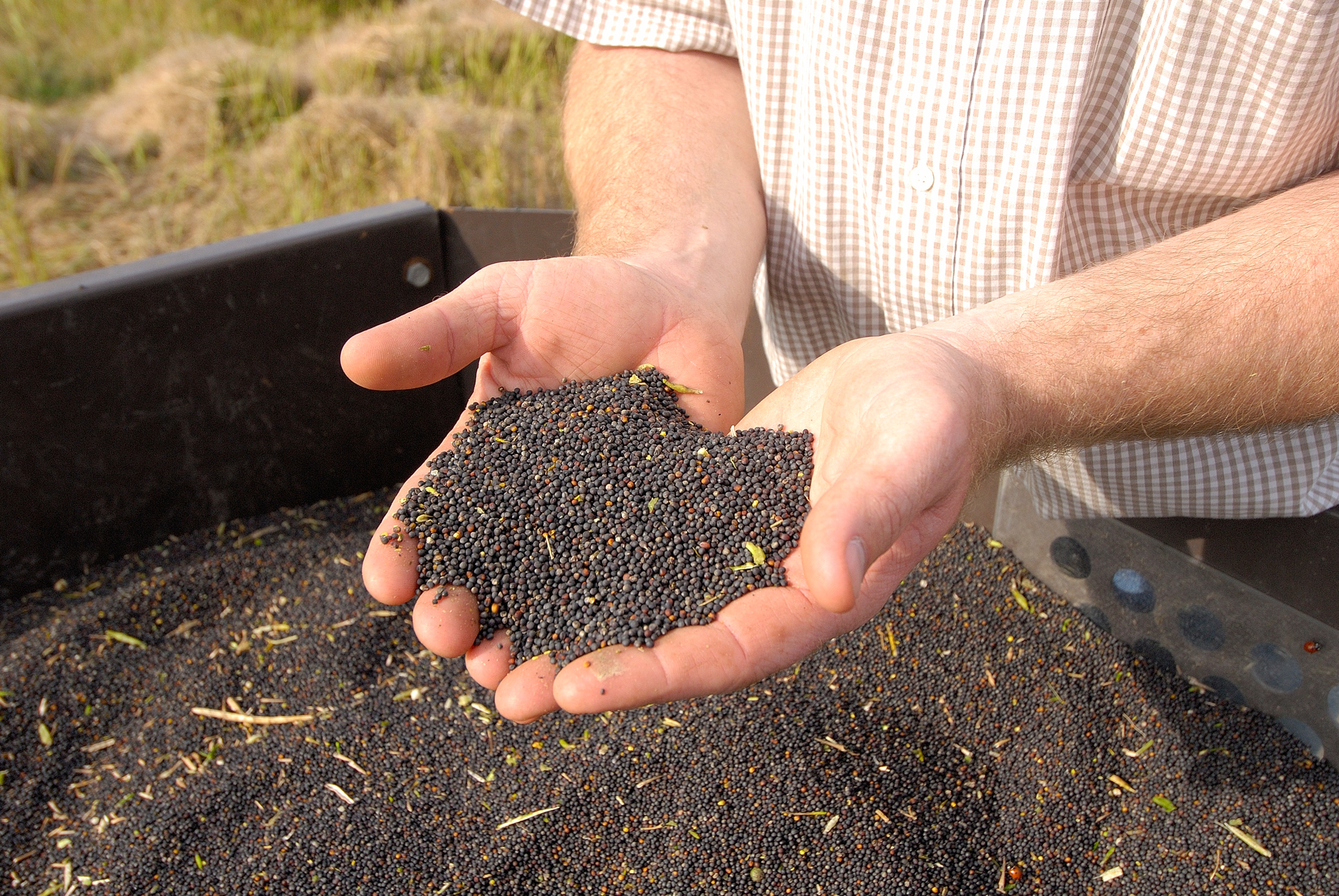
Optimization of the crushing and mechanical extraction of oil- and protein-rich seeds
Sur devis