
Description
Weather events regularly affect sunflower yields. For both insurers and field technicians, it is essential to accurately distinguish between weather-related damage and damage caused by other factors (diseases, pests, nutrient deficiencies, phytotoxicity). This training provides you with the tools to observe, analyze, and accurately diagnose sunflower crop damage, helping you make informed decisions and avoid misinterpretations.
Course outline:
- Physiological basics: key stages of cultivation
- Critical aspects of crop management
- Major crop issues: Climate-related issues, Damage caused by pests, Damage caused by diseases, Nutrient deficiencies, Phytotoxicities related to herbicide use, Other issues
Training objectives
By the end of the training, participants will be able to:
- Understand the key aspects of sunflower physiology that influence cultivation practices and yield formation.
- Identify critical stages in sunflower cultivation, from emergence to harvest, in relation to growing conditions.
- Diagnose the main weather-related events that can affect sunflowers: hail, wind, heat stress, thunderstorms, etc.
- Recognize other issues that can affect sunflower cultivation: pests, diseases, nutrient deficiencies, etc.
Teaching methods
In-person format:
-
Classroom theory: Technical input, real-world case studies, interactive discussions.
-
Fieldwork (weather permitting): Plot assessment, observation of weather-related incidents (weather permitting), group analysis of encountered situations.
Active learning methods: Presentations, discussions, Q&A sessions, role-playing, analysis of real-world cases.
Assessment: Quizzes, Q&A sessions, self-assessment at the beginning and end of the training, individual satisfaction survey
Teaching resources
Theoretical materials: Lectures, presentations, and written materials provided to participants.
Observation tools: Diagnostic checklists and identification sheets for types of damage.
Field visits: Analysis of actual incidents (weather, phytotoxicity, diseases, etc.) if present.
Exchange of best practices: Feedback, discussions between participants and the trainer to enhance the assessments.
Assessment methods
Quizzes, Q&A sessions, self-assessment at the beginning and end of the training, individual satisfaction surveys, self-assessment.Accessibility information
If you need any accommodations to help you succeed in your program, please contact the disability coordinator:
Christel CARO
Phone: 01 30 79 95 09
Email: formation@terresinovia.fr
Our other training courses
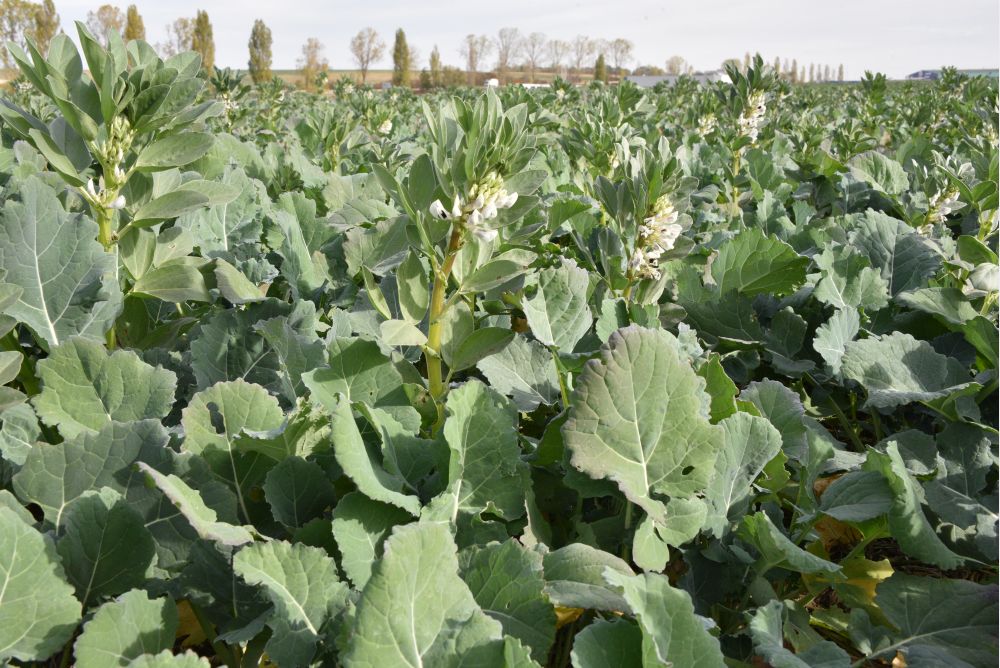
Try incorporating cutlery into your farming systems
Sur devis
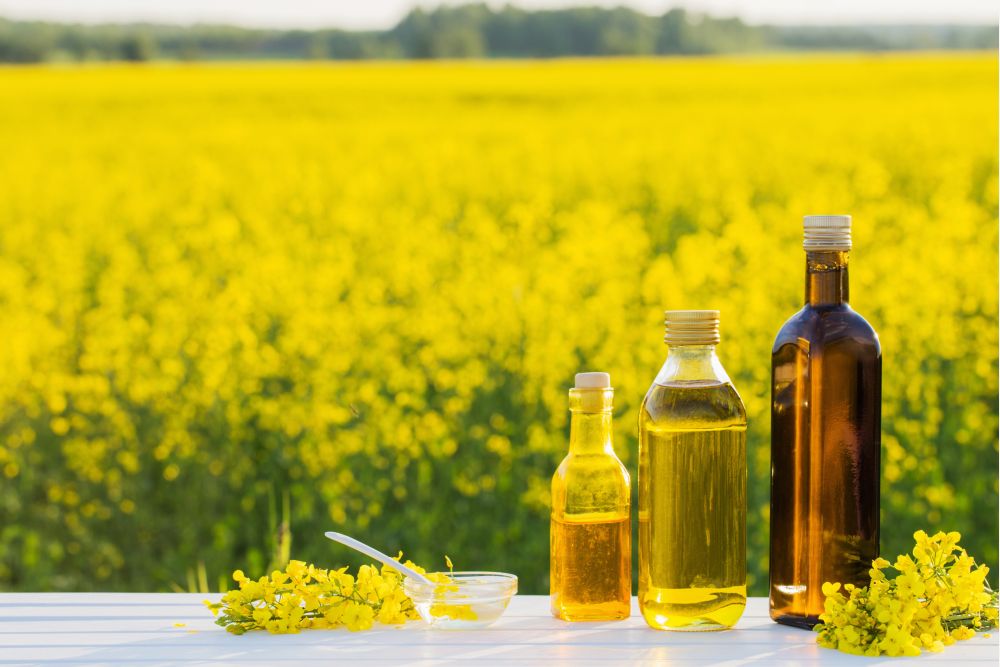
Production of edible oil through a short supply chain
Sur devis

Mastering Sunflower Cultivation
Sur devis
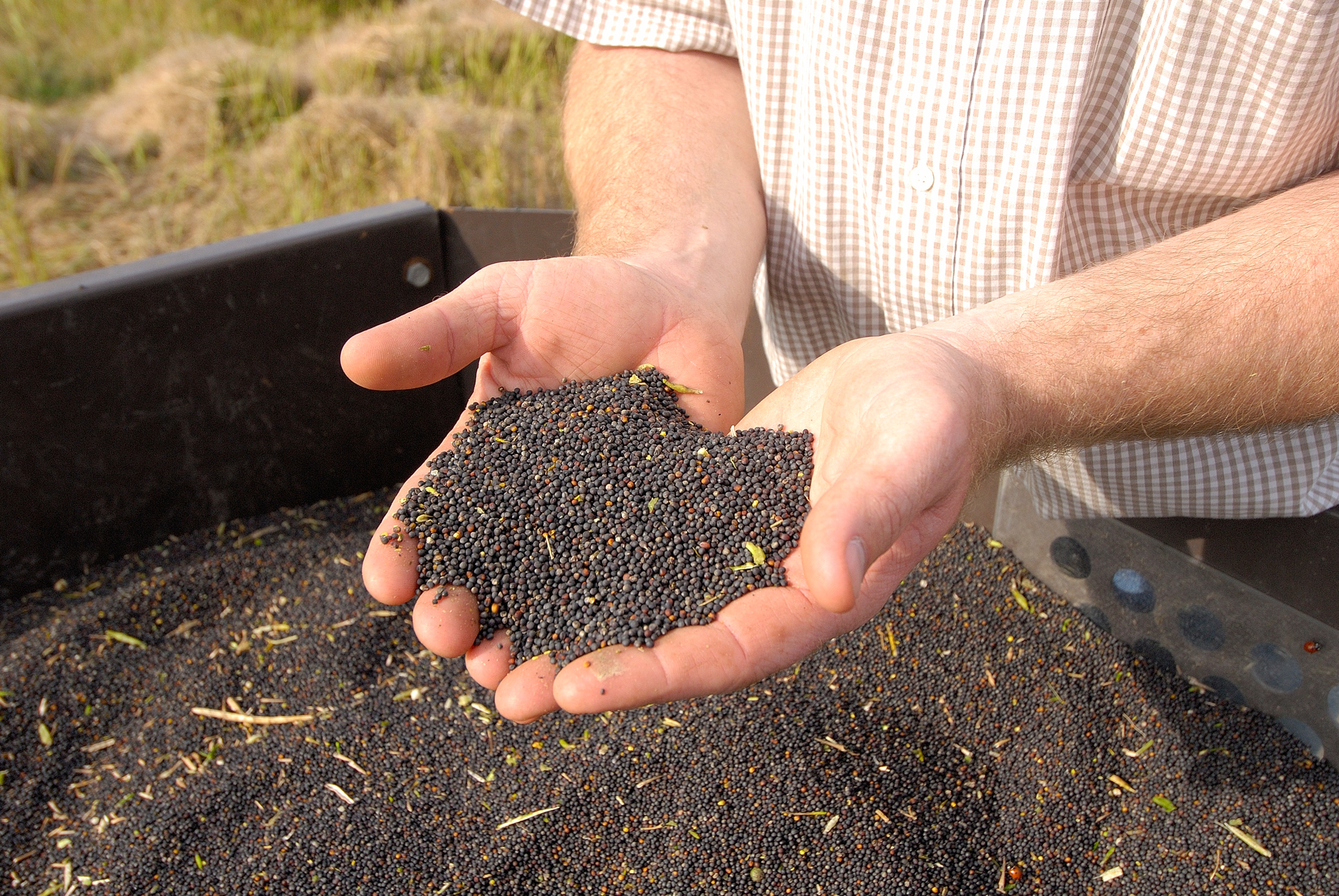
Optimization of the crushing and mechanical extraction of oil- and protein-rich seeds
Sur devis