
Description
Optimize mineral fertilization for rapeseed and sunflowers!
This training will help you better understand the nutritional needs of these crops, make informed decisions about fertilizer application, and use the right decision-making tools. A one-day session to integrate fertilization into sustainable and effective management practices, in line with agro-environmental challenges.
On the agenda:
- Review of the roles of mineral nutrients (N, P, K, S, trace elements) in the growth of rapeseed and sunflowers
- Nutritional specifics of each crop
- Decision-making principles for fertilization: determining application rates, timing of applications
- Methods for calculating fertilizer application rates and variability factors to consider
- Presentation of decision-making tools for managing nitrogen fertilization
- Integrating fertilization into an integrated crop protection strategy
Training objectives
By the end of the training, participants will be able to:
- Identify the specific nutritional needs of rapeseed and sunflowers
- Apply decision-making guidelines for mineral fertilization of crops
- Use decision-making tools to tailor fertilizer applications to actual needs
- Integrate fertilization into an integrated crop management approach, particularly from an agri-environmental perspective
Teaching methods
In-person format (1 day)
-
Classroom instruction: agronomic overview, calculation methods, decision-making tools.
-
Discussions: exchanges based on feedback from field experience.
Active learning methods: Presentations, interactive discussions, case studies, self-assessment of knowledge.
Assessment: Quizzes, Q&A sessions, self-assessment tests, individual satisfaction surveys.
Teaching resources
Theoretical materials: Presentations, in-class lectures, and educational materials provided to participants.
Management tools: Introduction to and use of decision-making tools for adjusting nitrogen inputs.
Case studies: Exercises in fertilization planning based on real-world scenarios.
Exchange of best practices: Sharing of experiences between participants and the trainer, discussion of agro-environmental issues.
Assessment methods
Quizzes, Q&As, self-assessment tests, individual satisfaction surveys.Accessibility information
If you need any accommodations to help you succeed in your program, please contact the disability coordinator:
Christel CARO
Phone: 01 30 79 95 09
Email: formation@terresinovia.fr
Our other training courses
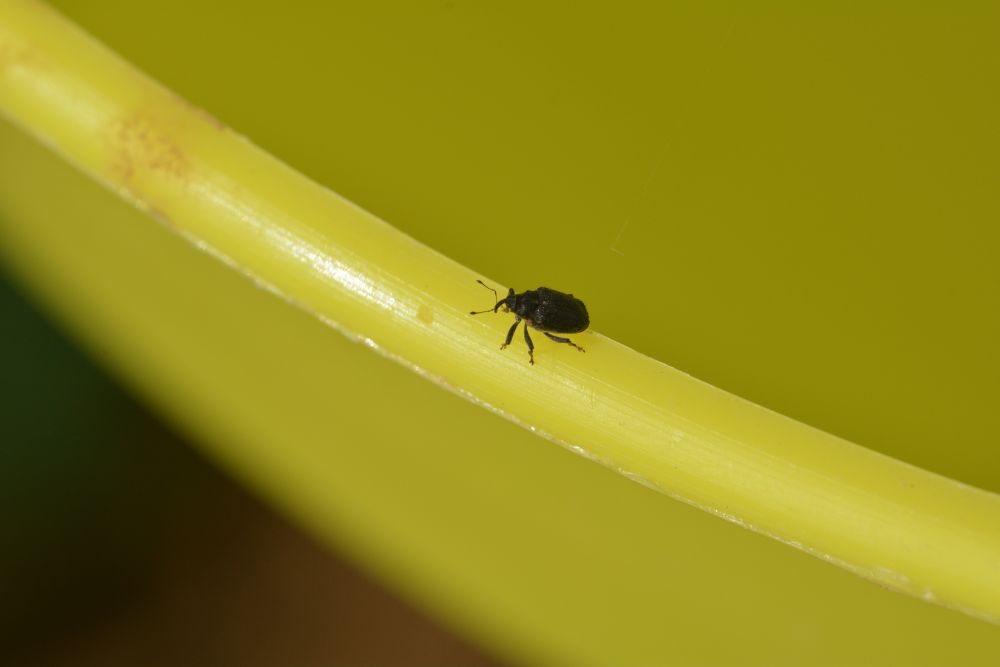
Management of Rapeseed Pests: Toward New Collaborative and Regional Approaches
Sur devis
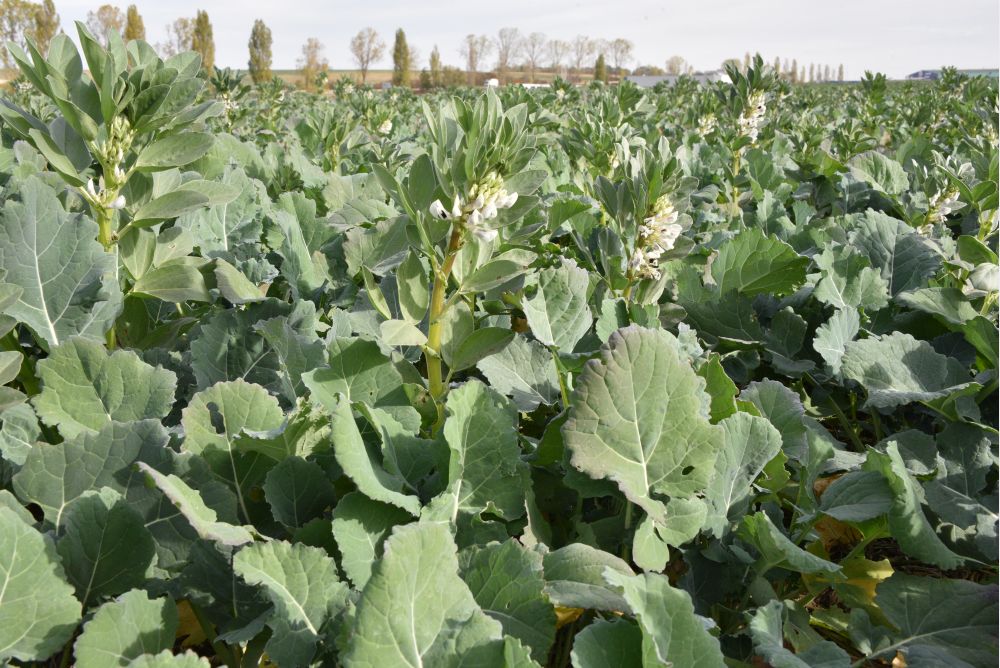
Try incorporating cutlery into your farming systems
Sur devis
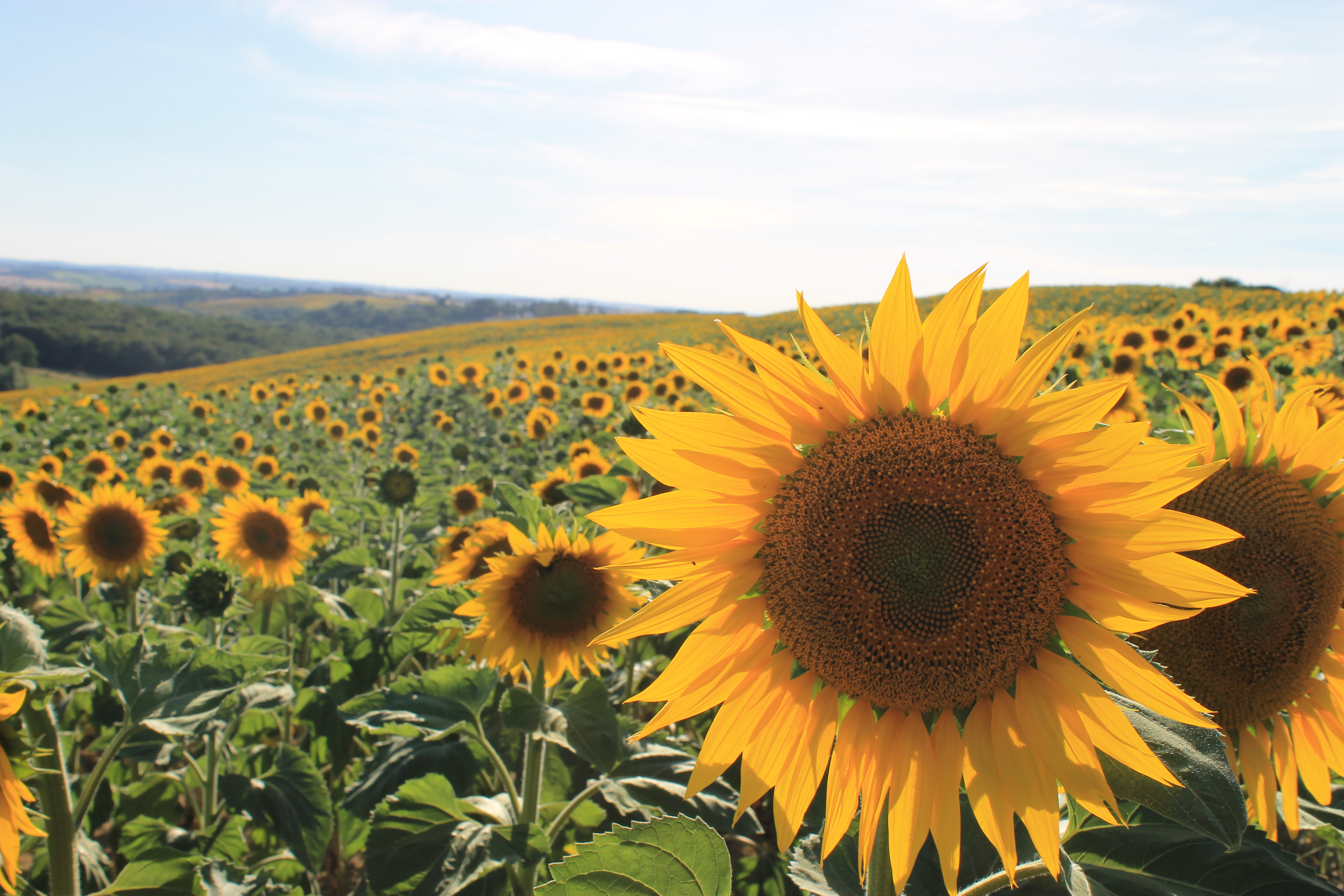
Mastering Sunflower Cultivation
Sur devis
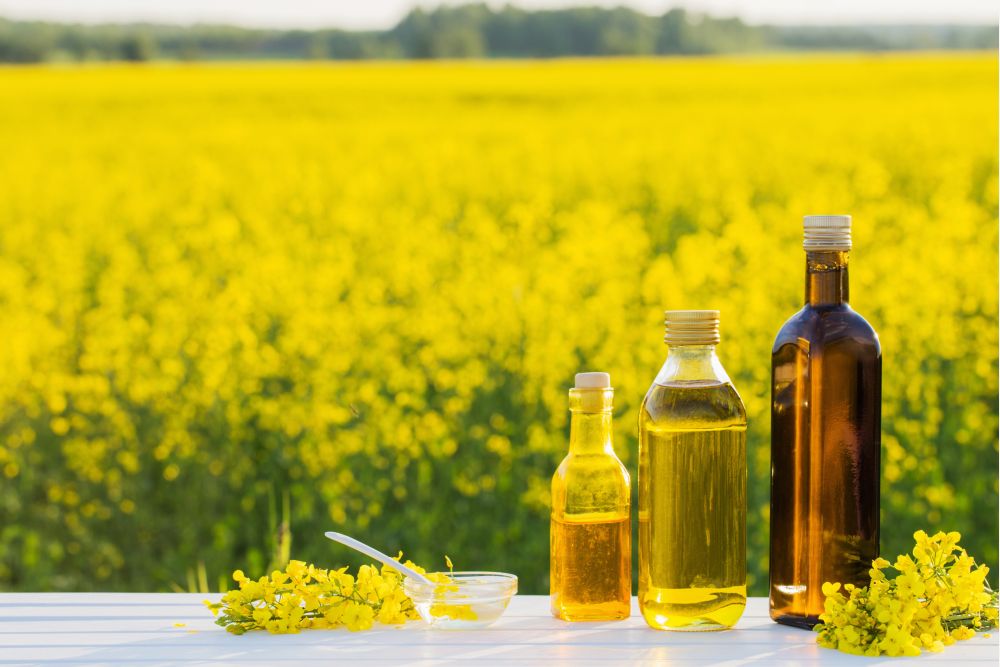
Production of edible oil through a short supply chain
Sur devis