

Automatically generated translation
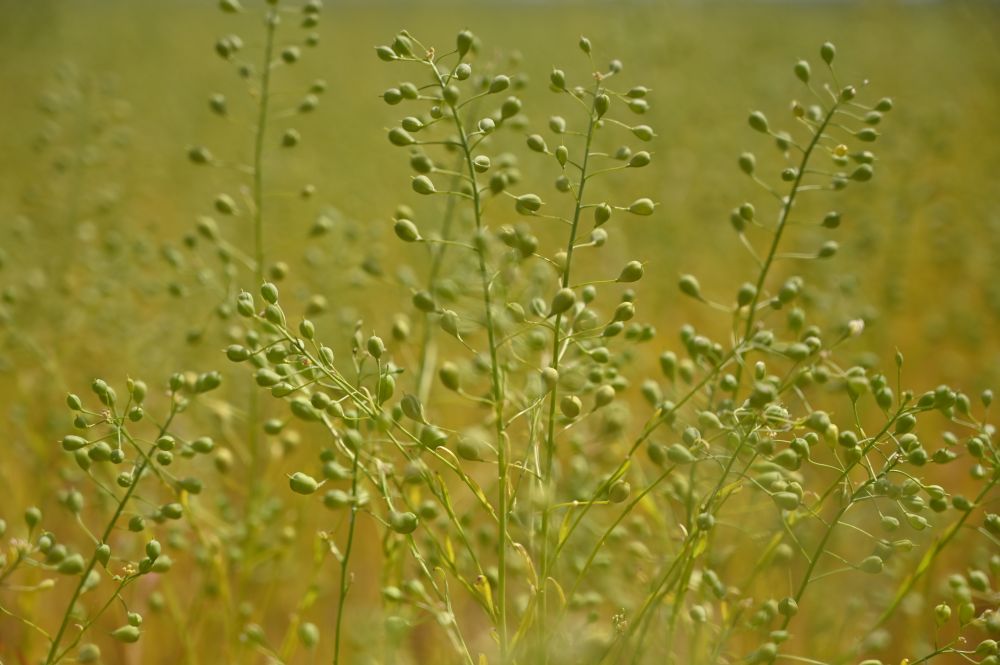
Low-maintenance and resistant to pests, camelina is ideally suited to organic farming systems.
Agricultural advantages
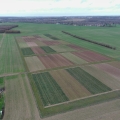
It is often grown in combination with other crops, particularly lentils, where it serves as a support plant and helps manage weed growth. In this case, camelina is sown at a relatively low density, resulting in a lower yield than when grown as a stand-alone crop.
It can also be grown as a stand-alone crop in the fall or spring and is an attractive option for incorporating a crucifer into organic crop rotations. It is particularly useful for weed management: with its short growth cycle, it can be sown very late in the spring, which helps break the weed cycle and allows for multiple false sowings in the spring.
If growing conditions are favorable, camelina grows rapidly and is highly competitive with weeds. However, if conditions are unfavorable, camelina becomes a very messy crop because mechanical implements are difficult to use (risk of root exposure, particularly with a harrow).
Reports from farmers also suggest a potential allelopathic effect of camelina, which, to our knowledge, has not yet been demonstrated in open fields.
High-value-added opportunities
Organically grown camelina is primarily used to produce edible oil or in the cosmetics industry, while the oilseed meal is used as animal feed.
Our other articles

-
Rapeseed
Tournesol
Féverole d'hiver
Féverole de printemps
Soja
Pois d'hiver
Pois de printemps
Lentille
Pois chiche
Lin d'hiver
Lin de printemps
Lupin d'hiver
Lupin de printemps
Cameline
Chanvre
Implantation
Récolte
Ravageurs
Choix variétal
Watch the recordings of the Terres Inovia 2026 webinars
-
Rapeseed
Tournesol
Pois d'hiver
Pois de printemps
Soja
Féverole d'hiver
Féverole de printemps
Lentille
Pois chiche
Lin d'hiver
Lin de printemps
Lupin d'hiver
Lupin de printemps
Cameline
Chanvre
Diversifier son système de culture
Syppre Berry and Picardie Platforms: Terres Inovia Shares Its Latest Results
Training courses for camelina
Mastering the cultivation of camelina
Sur devis
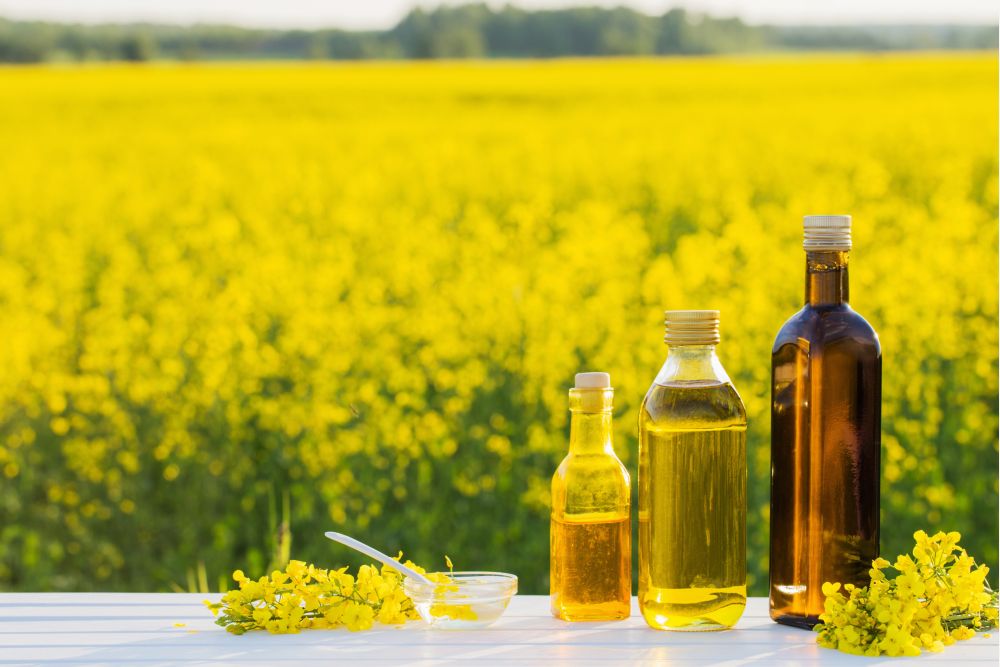
Production of edible oil through a short supply chain
Sur devis
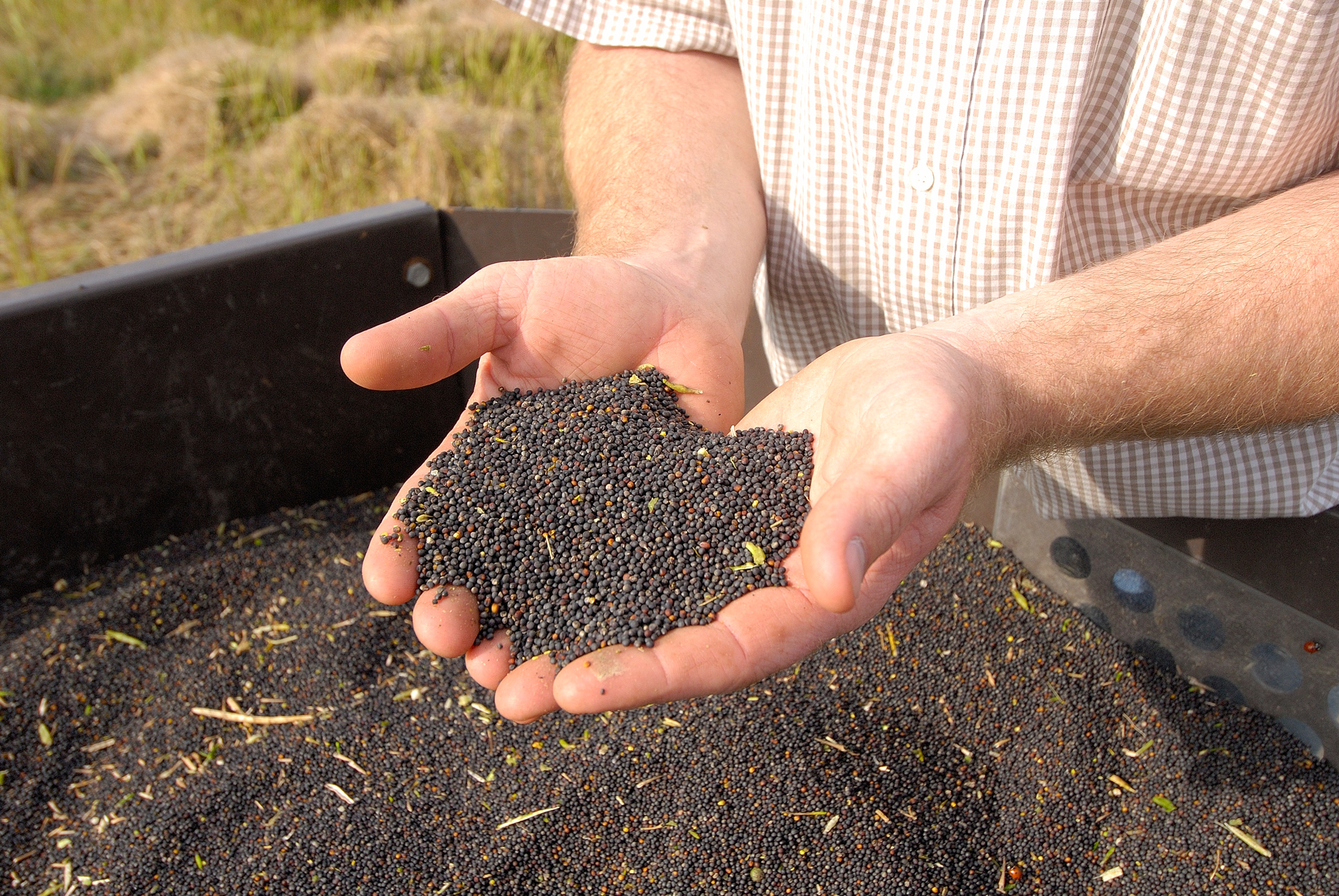
Optimization of the crushing and mechanical extraction of oil- and protein-rich seeds
Sur devis
Publications on camelina
Cameline - Cultivation Guide 2024
Upcoming events
-
Rapeseed
Tournesol
Soja
Féverole d'hiver
Féverole de printemps
Lupin d'hiver
Lupin de printemps
Cameline
Pois chiche
Lentille