
Description
Anticipate, identify, act: in the face of the challenges of sustainable agriculture, controlling diseases in peas and faba beans is becoming a key strategy. Through this practical and targeted training, you will learn to effectively recognize symptoms, understand epidemiological mechanisms, and implement the best management strategies. A day to gain expertise, protect your crops, and integrate integrated pest management into your practices.
On the agenda:
1. Disease Identification:
- Presentation of symptoms of common diseases in peas and fava beans using visual aids (photographic materials and samples of diseased plants)
- Study of above-ground and root diseases
2. Epidemiological knowledge:
- Understanding the life cycles of pathogens
- Climatic and cultural conditions that favor disease development
- Basic concepts of epidemic dynamics (sources of inoculum, period of contamination, survival of pathogens in the soil or on crop residues)
- Impact of agricultural practices (crop rotation, tillage, seeding, varieties) on epidemiological risks
3. Disease management methods:
- Preventive strategies: variety selection, residue management, crop placement, appropriate cultivation practices
- Use of decision-support tools (DSTs)
- Rationale for fungicide use: action thresholds, treatment windows…
Training objectives
By the end of the training, participants will be able to:
- Identify and distinguish the main diseases affecting peas and faba beans, whether they affect the foliage or the roots
- Identify the risks of confusion between similar diseases and exercise increased vigilance
- Understand and analyze the risk factors for legume diseases
- Select and implement management measures tailored to different disease situations
Teaching methods
In-person format:
- Theoretical component: Technical presentations, case studies, interactive quizzes via Teams.
- Fieldwork: Plot analysis, observation of growth stages, diagnosis of crop damage, discussions with the instructor.
Active learning methods: Presentations, quizzes, discussions, disease observation, sharing of experiences.
Assessment: Quizzes, Q&A sessions, individual satisfaction survey, self-assessment.
Teaching resources
Theoretical materials: Illustrated lectures, visual presentations, photographic materials, and written handouts provided to participants.
Diagnostic tools: Samples of diseased plants, identification charts, decision-making tools for disease management.
Hands-on observation: Identifying symptoms on samples or in real-world conditions (depending on the season).
Exchange of best practices: Discussions, feedback between participants and the trainer, case studies.
Assessment methods
Quizzes, disease identification in the field or on plots (depending on the season), Q&A sessions, individual satisfaction surveys, and self-assessment.Accessibility information
If you need any accommodations to help you succeed in your program, please contact the disability coordinator:
Christel CARO
Phone: 01 30 79 95 09
Email: formation@terresinovia.fr
Our other training courses
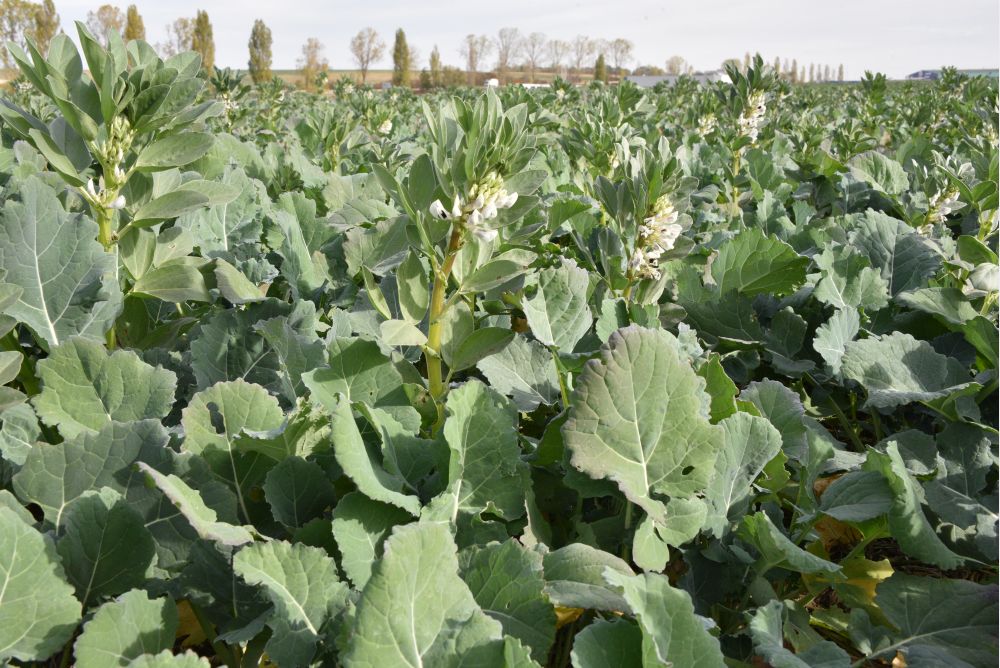
Try incorporating cutlery into your farming systems
Sur devis
Agricultural Management of Chickpea and Lentil Cultivation in the Southwest
Sur devis
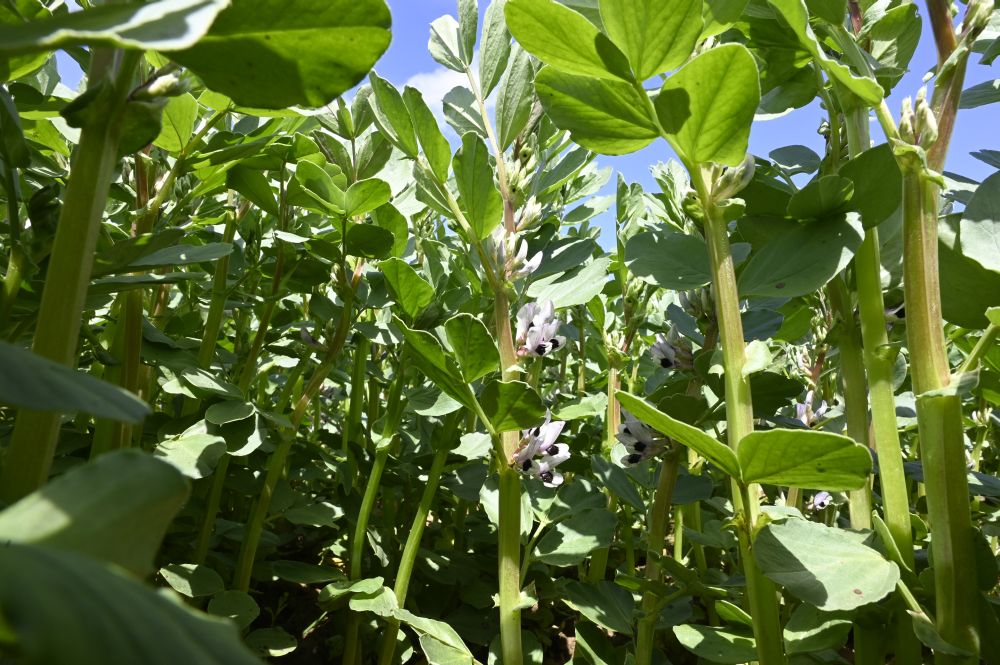
Growing Peas and Fava Beans Successfully in the Southwest
Sur devis
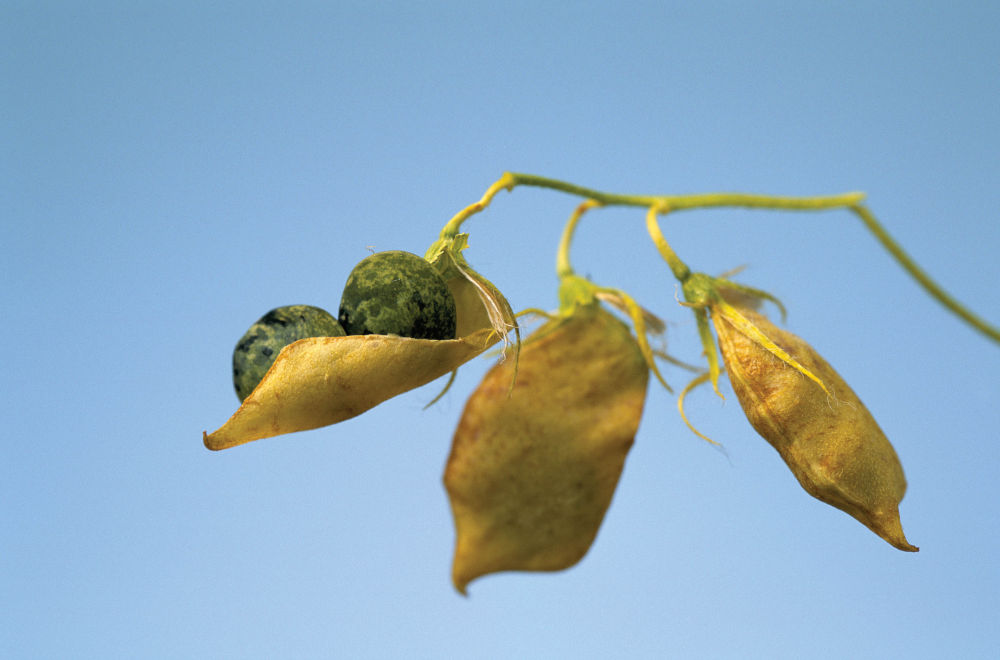
Master the art of growing lentils—a great crop to diversify your crop rotation!
Sur devis