Filtres
24 April 2026 . 22 days ago
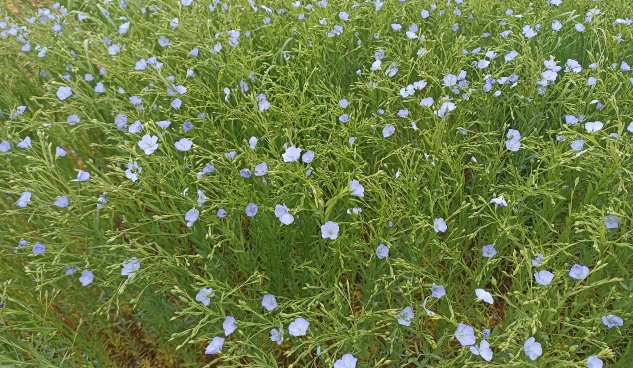
Winter Oilseed Flax: 2025–2026 Flowering Report
Overview of the 2025–2026 Network
This early-winter assessment was conducted on 14 oilseed flax plots between April 9 and April 23, 2026. It summarizes the observations reported by the following partner organizations:
24 April 2026
Management of green pea aphids in Poitou-Charentes
23 April 2026
Rapeseed fungicide: try, try again, and fail…
21 April 2026
Rapeseed in Normandy and Western Île-de-France: Should a second fungicide be applied at mid-bloom?
Create your Terres Inovia account
- News from your crops
- Your training courses and events
- Your favorite content and tools
- Your order history
21 April 2026
Optimizing grass weed control in soybeans
21 April 2026