
The basics of rapeseed cultivation
Our other training courses
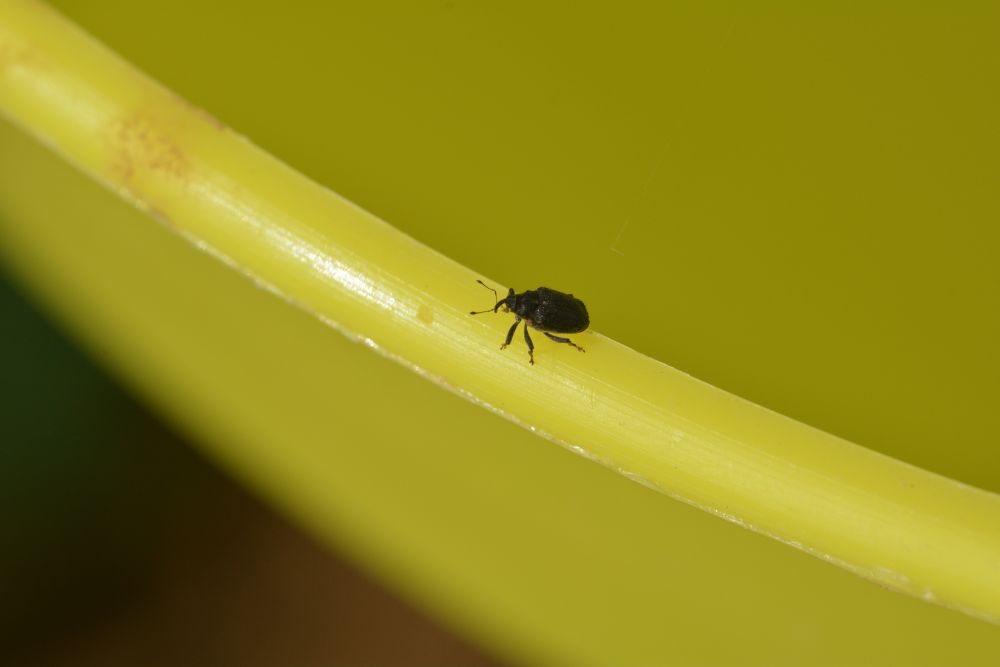
Managing insect pests in oilseed rape: towards new collective and regional approaches
Sur devis
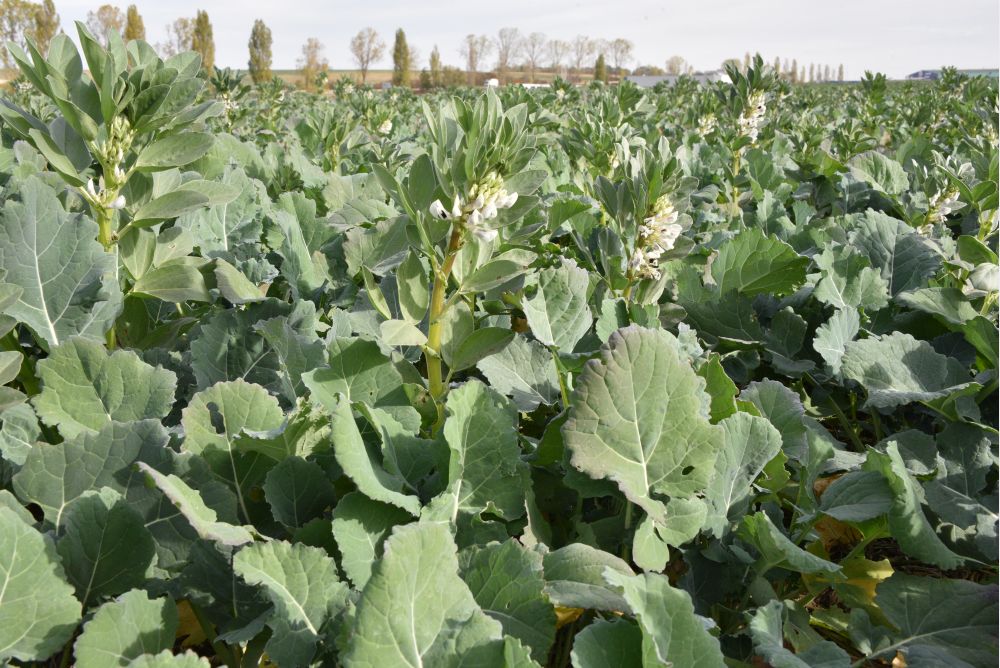
Dare to use cover crops in your cropping systems
Sur devis
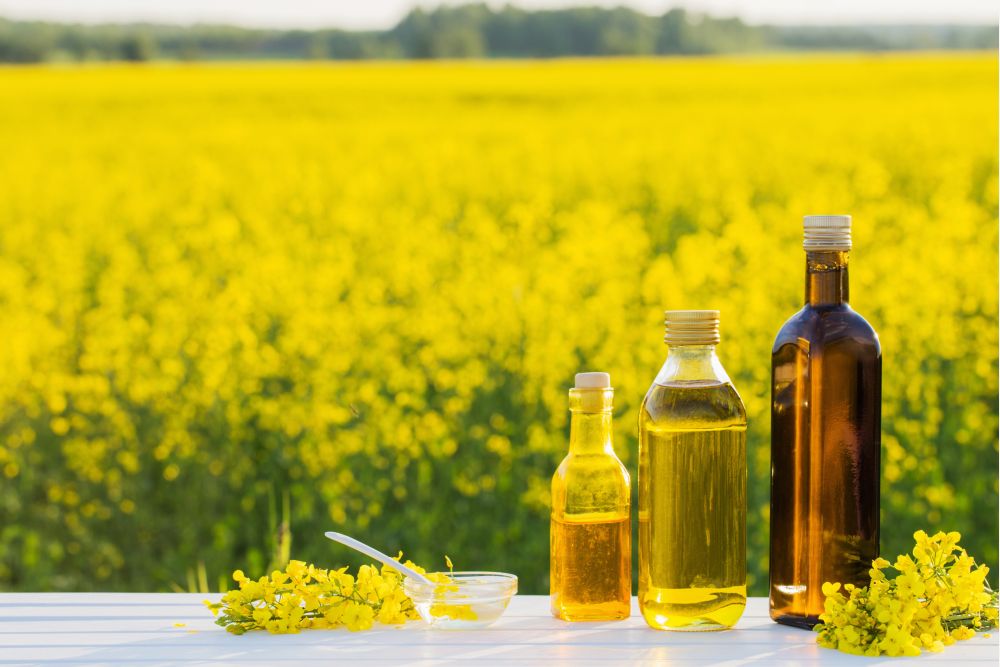
Short-circuit production of edible oil
Sur devis
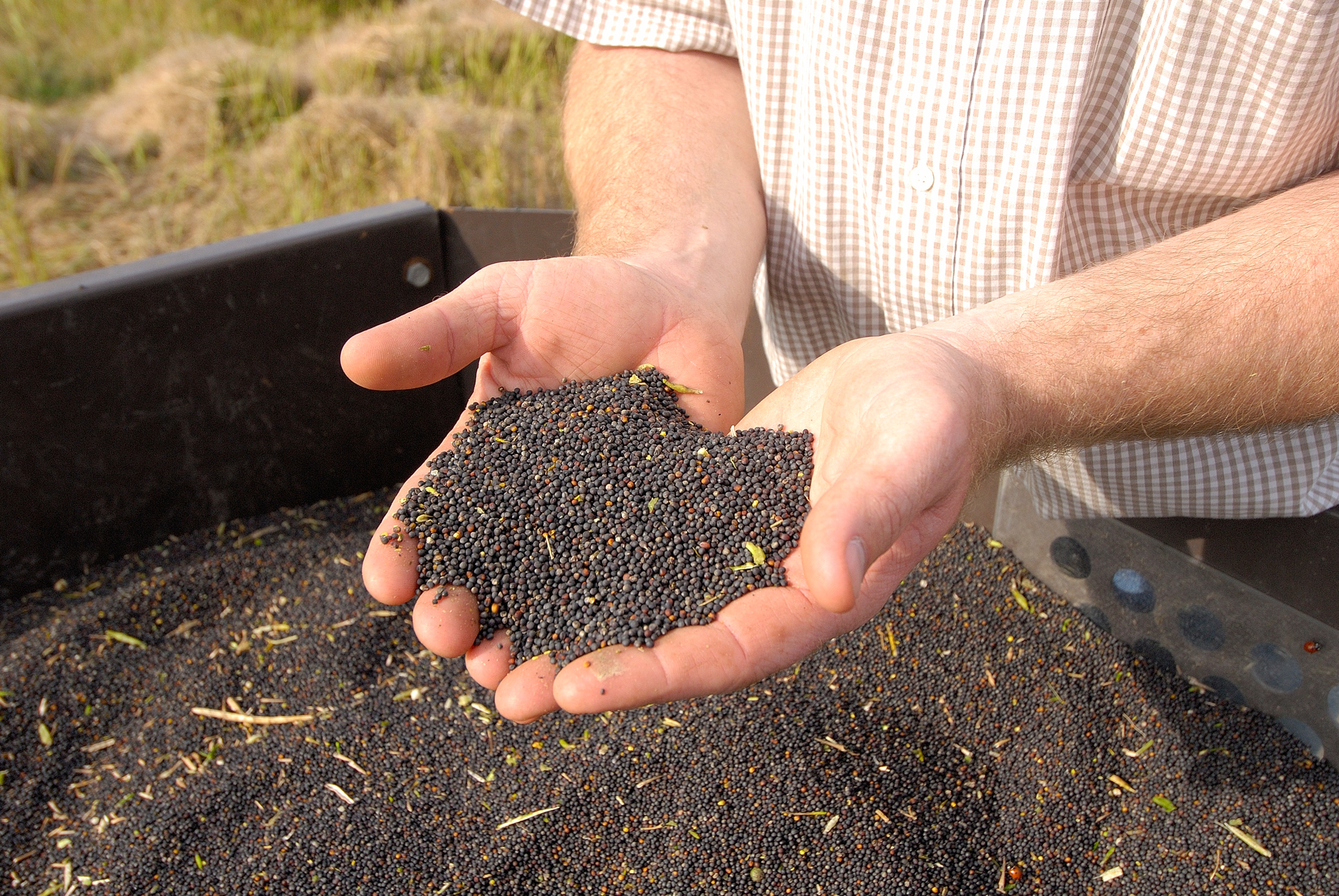
Optimization of crushing and mechanical extraction of oil-protein seeds
Sur devis
As rapeseed evolves, so does your knowledge!
With the rapid evolution of varieties, technical itineraries and decision-making tools, this training course offers a complete update on how to optimize rapeseed cultivation. Whether you're an experienced technician or a beginner, you'll discover the keys to success: genetic innovations, high-performance agronomic levers and benchmarks for making the right decisions at every stage of the campaign.
Day program :
- Yield development diagram and yield components
- Influence of different cultivation techniques
- Results of trials and surveys
- Main cropping decisions and decision rules
At the end of the course, participants will be able to:
- Identify rapeseed yield components and how they are determined
- Analyze the impact of cultivation practices on crop performance
- Select the varieties and inputs best suited to their soil and climate conditions and production objectives
- Adapt technical itineraries according to development stages and conditions encountered
- Make informed decisions throughout the growing season, based on technical, economic and agronomic data.
Active teaching methods: Technical presentations, case studies, feedback, alternating between theoretical input and feedback from field experience.
Evaluation: End-of-session quiz, questions and answers, individual satisfaction survey, self-assessment.
Theoretical support: Lectures, presentations, written material given to participants.
Exchange of practices: Feedback and debates between participants and trainers.
Interactivity: Quizzes, questions and answers, live exchanges with trainers.
Digital supports: Presentations and resources handed out after each session.
Technicians from development, economic organizations and the agri-supply industry. Teachers End-of-session quiz, Q&A, individual satisfaction survey, self-assessment.If you have any requests for adaptations to help you succeed in your course, please contact the disability referent:
Christel CARO
Tel: 01 30 79 95 09
Mail: formation@terresinovia.fr
Aucun 480€ TTC 5 15 https://public.dendreo.com/4rsx27tf4npws6tp4zAwc/media/gvhtcAdgnndxqAlgg8vAks6n3j6fg9tsj8vg4kzpmnxf4qk2gfhtmAsqkbyg5yzz4zcAspj5hjyAg9k5hbAg4sttlb3A4v544ncAwtcrljvAcpj8 1 Jour 40 Inter-company and intra-companyCOLZA'Live: Understanding rapeseed crop management in 7 sequences
Our other training courses
Managing insect pests in oilseed rape: towards new collective and regional approaches
Sur devis
Dare to use cover crops in your cropping systems
Sur devis
Short-circuit production of edible oil
Sur devis
The basics of rapeseed cultivation
Sur devis
Whether you're a beginner or want to update your knowledge, COLZA Live training offers you a complete understanding of rapeseed growing. Thanks to 7 short, interactive sequences, led by experts, you can acquire the essential skills to optimize your farming practices, all in digital format.
Program:
Sequence 1: Introduction to the crop and planting (April 7, 2026, 9 to 11 a.m.)
- Global context of rapeseed cultivation and associated agricultural issues
- Identification of stages in the rapeseed crop cycle and phenological stages.
- The challenges of rapeseed establishment, the benefits of a robust rapeseed and the key conditions to be achieved, the keys to choosing the optimum establishment techniques depending on the context.
Sequence 2: Fertilization (April 8, 2026, 9 a.m. to 11 a.m.)
- Rapeseed specificities with regard to nitrogen supply
- Calculation of spring nitrogen dose (Réglette azote colza®) and choice of fractioning strategy
- Rationalization of phosphate, potassium and sulfur fertilization
- Rapeseed needs in trace elements; focus on boron and molybdenum
Sequence 3: Weed control (April 10, 2026, 9 a.m. to 11 a.m.)
- Description of the main agronomic control levers
- Development of herbicide control strategies adapted to weed flora.
- Grass control: Ray-Grass & Vulpin
- Presentation of mechanical control methods and mixed weed control strategies.
Sequence 4: Spring diseases (April 14, 2026, 9am to 11am)
- Reminder of the main spring diseases Sclerotinia, Oidium, Alternaria, Mycosphaerella, Phoma ...
- Study of the biological cycle and harmfulness of these diseases.
- Control methods available as part of integrated crop protection.
Sequence 5: Spring pests (April 29, 2026, 9 to 11 a.m.)
- Presentation of the different spring pests: description and development cycle.
- Presentation of the main management strategies
- Presentation of preventive measures (agronomic levers) to limit the impact of pests.
- Nuisibility, risk assessment during the season (presentation of Decision Support Tools and decision rules) and decision-making.
- Choice of insecticides
- Prospects for biocontrol solutions
- Presentation of the main natural enemies.
Sequence 6: Harvesting and yield components and ecophysiological aspects (May 19, 2026, 9 to 11 a.m.)
- Strategies to limit harvest losses.
- Presentation of the swathing technique to optimize rapeseed harvesting.
- Explanation of the year's yields: rapeseed yield components and favorable factors.
Sequence 7: Autumn pests (June 23, 2026, 9 a.m. to 11 a.m.)
- Presentation of the different autumn pests: description and development cycle.
- Presentation of the main management strategies.
- Preventive measures: levers to mobilize upstream to limit risk during the season.
- Nuisibility and risk assessment during the season (presentation of decision-support tools and decision rules).
- Choice of insecticides and slug pellets.
At the end of the course, participants will be able to :
- Understand and master rapeseed cultivation techniques
- Make informed decisions to optimize the crop
- Evaluate the success of rapeseed cultivation
- Optimize rapeseed planting
- Apply effective weed control strategies
- Managing fall and spring pests
- Optimize rapeseed fertilization
- Controlling spring diseases
- Minimize harvest losses
100% digital format: Remote training, accessible from any connected computer.
Active pedagogy: Technical presentations, case studies, feedback.
Evaluation: End-of-session quiz, questions and answers, individual satisfaction survey, self-assessment.
Online sessions: 7 sequences of 2 hours on Teams, led by Terres Inovia expert engineers.
Theoretical support: Presentations, technical documents, ADO proposals.
Interactivity: Quizzes, questions and answers, live exchanges with trainers.
Digital support: Presentations and resources handed over after each session.
Technicians from development, economic and agri-supply organizations. Farmers. Teachers Quiz during each session, Q&A, individual satisfaction survey, self-positioning.If you have any requests for adaptations to help you succeed in your course, please contact the disability referent:
Christel CARO
Tel: 01 30 79 95 09
Mail: formation@terresinovia.fr
Aucun 960€ TTC 5 15 https://public.dendreo.com/4rsx27tf4npws6tp4zAwc/media/g8yt16bAkfctmrlrkbmdmsd4gvAw45c4gzzg7vzz3ncw49smljrxmszz47vA956hmzrvcpj5hj62c85cmjsf48jpgnAA3wkjf8md2rdzhb32cpj8 7 Jours 28 Inter-company and intra-company