Filtres
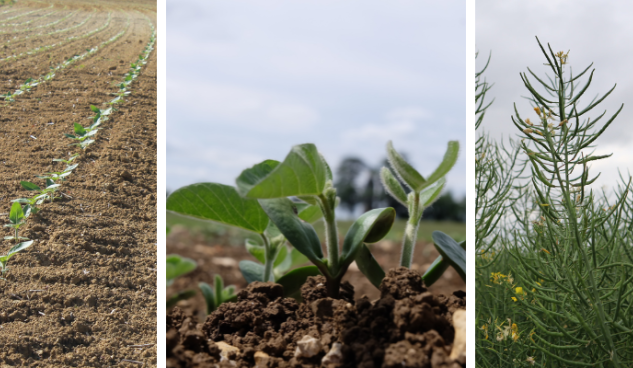
Rapeseed, sunflowers, soybeans: successful planting and crops in good condition
Weather conditions in late March and April—warm, dry, and punctuated by scattered showers of varying intensity depending on the region—were generally very favorable for the planting of summer crops (corn, sunflowers, sorghum, soybeans), which has been taking place over the past few weeks. Here, at the beginning of May, is an initial update on the progress of planting as well as the physiological and health status of crops in Occitanie and the former Aquitaine region.
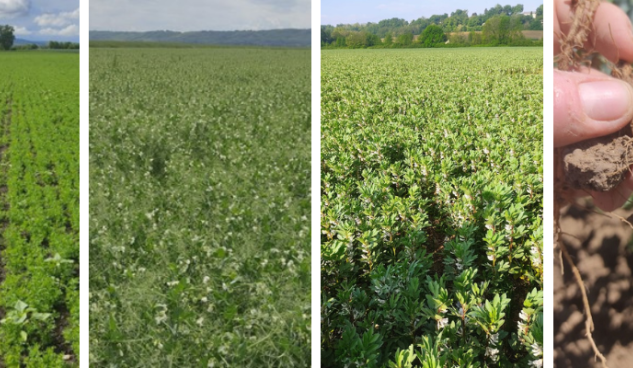
“Pulses: A Promising Start to the Season Under Health Monitoring”
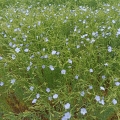
Green light for grain legumes in Auvergne-Rhône-Alpes. The crops have established themselves successfully, with uniform stands and satisfactory root development. At this stage, pests remain generally well controlled by beneficial insects, and disease incidence remains low.
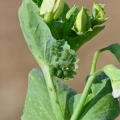
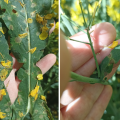
Spring peas: Early arrival of green pea aphids

Watch the recordings of the Terres Inovia 2026 webinars
Every year, Terres Inovia hosts several online events throughout the year to provide an update on the institute’s work and the latest results. You can watch recordings of all these sessions on our YouTube channel and in this article for the year 2026.
Create your Terres Inovia account
- News from your crops
- Your training courses and events
- Your favorite content and tools
- Your order history