
Description
Soybeans: A Crop of the Future to Master!
Amid the agroecological transition, soybeans are returning to the forefront thanks to their low input requirements and diverse market opportunities. Supported by regulatory and economic incentives (Protein Plan, MAEC, SIE, etc.), this crop offers real opportunities in both conventional and organic farming. This training course offers a comprehensive and practical technical approach to successfully manage every stage of soybean production, secure your yields, and maximize the value of your crop.
On the agenda:
1. Plant and canopy function:
- Key aspects of soybean physiology and phenology
- Identifying levers to improve yields
2. Cultivation practices adapted to the Southwest:
- Planting
- Weed management
- Pest and disease control
- Water management
- Harvest management
3. Diagnosis of major problems:
- Identification of soybean pests
- Identification of root and leaf diseases
- Common weather-related issues in the Southwest
4. Approach to crop management in organic farming
5. Soybeans as a cover crop: some indicators
Training conducted in collaboration with FILEG (free for their members)
Training objectives
By the end of the training, participants will be able to:
- Understand how the plant operates
- Analyze the factors influencing yield and the technical levers for optimization
- Recommend key cultivation techniques for successful soybean production
- Implement best harvesting practices
- Identify and diagnose major crop issues (pests, diseases, abiotic stress)
- Adapt crop management to the specific requirements of organic farming
Teaching methods
In-person format (1 day):
-
Theoretical input through illustrated presentations and real-world case studies.
-
Interactive discussions between participants and instructors to share experiences and raise questions.
Active learning methods: Presentations, case studies, discussions, Q&A sessions.
Assessment: Quizzes, Q&A sessions, individual satisfaction surveys, self-assessment.
Teaching resources
Theoretical materials: Lectures, presentations, and written materials provided to participants.
Case studies: Feedback from real-world experience to illustrate best practices and solutions.
Exchange of best practices: Discussions and sharing between trainees and trainers.
Assessment methods
Quizzes, Q&As, individual satisfaction surveys, self-assessment.Accessibility information
If you need any accommodations to help you succeed in your program, please contact the disability coordinator:
Christel CARO
Phone: 01 30 79 95 09
Email: formation@terresinovia.fr
Our other training courses

Soybeans: A Strategic Crop for Sustainable Systems
Sur devis
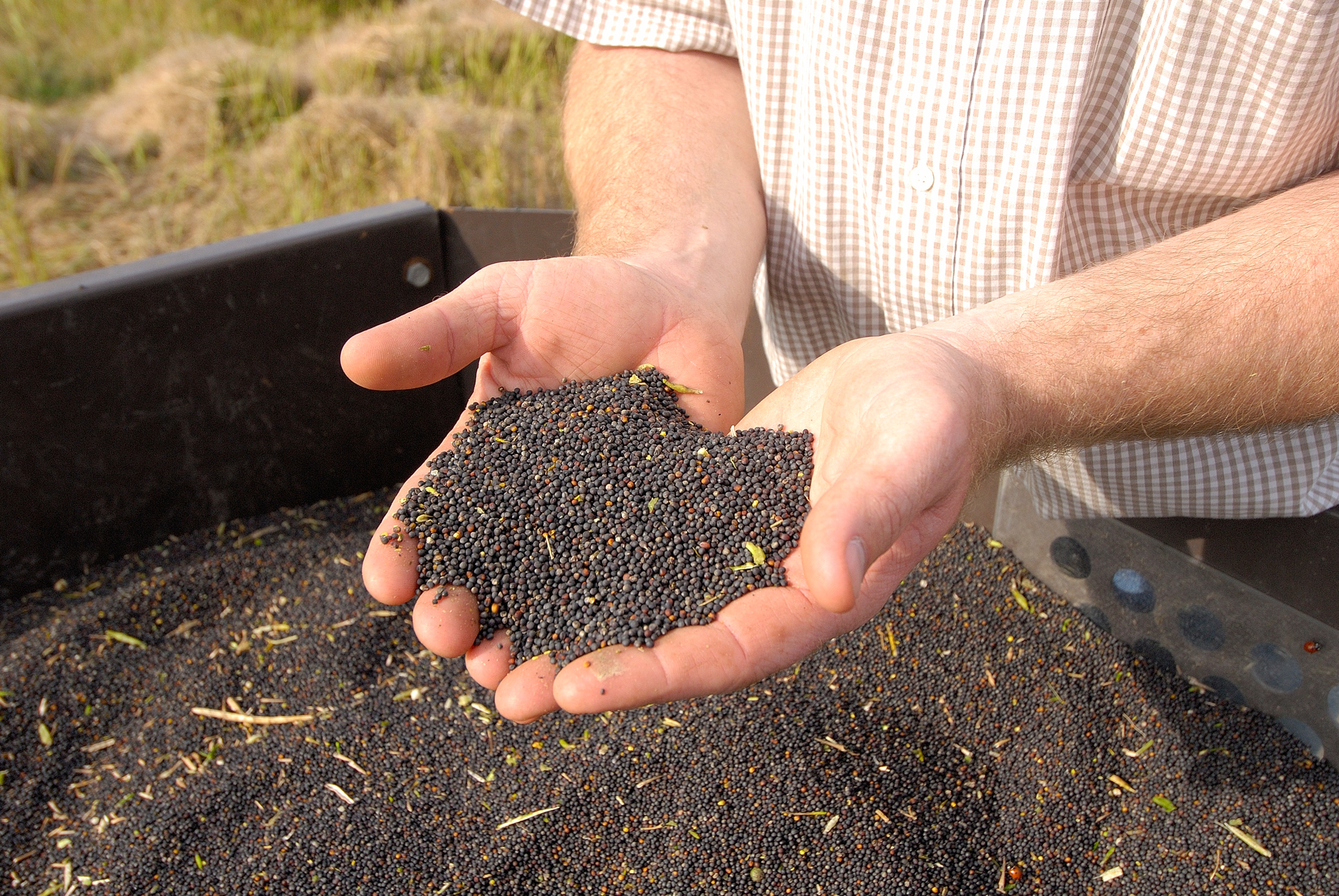
Optimization of the crushing and mechanical extraction of oil- and protein-rich seeds
Sur devis
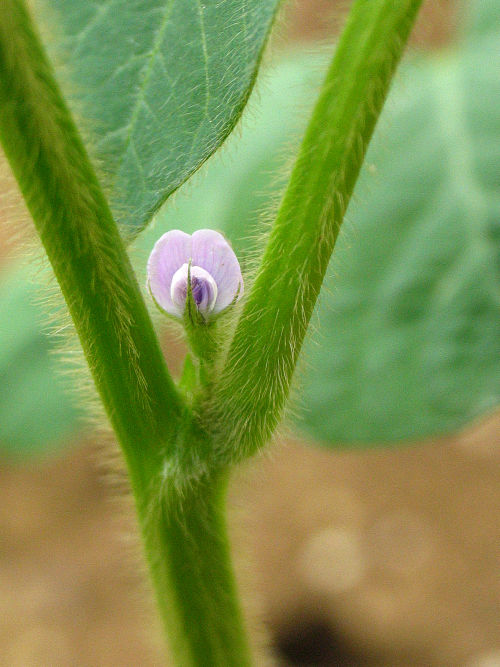
Soybeans: Identifying Climate-Related Disasters
Sur devis