
Soybeans: A few reminders about inoculation for the 2026 season
<p><strong>Inoculation: a crucial stage in the success of soybean crops</strong></p><p>Soya is a leguminous plant whose ability to fix atmospheric nitrogen, necessary for its growth, relies on its capacity to associate with various specific bacteria, mainly of the Bradyrhizobium genus. These symbiotic partners are not naturally present in French soils. It is therefore necessary to introduce them into the soil by inoculation.</p><p><strong>Conditions for successful inoculation</strong></p><p>To promote nodulation, resulting from the symbiotic association between soybean plants and nitrogen-fixing bacteria, and obtain an optimum number of nodules on the root system (at least 10 per plant at stages V3-R1), we need to create the right conditions for viable, efficient bacteria to settle in. To achieve this, several conditions must be met: </p><ul><li data-list-item-id="eb0cf155a9229125c386eb2c70cea4dbe">Quality, contaminant-free inoculum, stored under the conditions specified by the manufacturer (cool temperatures, protected from light), with an adequate concentration of a live, efficient strain of Bradyrhizobium,</li><li data-list-item-id="e3fa658b3c6992011544b10add5b7d9e8">Carry out inoculation with care, without javelized water, in a dark place and sowing within the time allowed between inoculation and sowing, in order to preserve the viability and efficiency of the bacteria,</li><li data-list-item-id="e770a09fbe677625e0cbe6edc62c38f09">Sowing should be carried out in conditions that do not limit nodulation (surface-refined soil, level and dry but not dry; aerated, porous structure, free from settling, sowing or smoothing; avoid soils with a high concentration of mineral nitrogen). </li></ul><p><strong>Various inoculation techniques</strong></p><p>Various types of inocula are available on the French market for inoculating soybean crops:</p><ul><li data-list-item-id="ec0e571d0db3902d02c79e681637eb940">Some are INRAE-licensed, controlled in terms of bacterial concentration, strain identity, absence of contaminants and stability of properties,</li></ul><p>Other products are unlicensed, offering fewer guarantees for their users.</p><ul><li data-list-item-id="e026cb8d5d7e09a3acfa41f54295ff8c6">1. Commercialized <strong>seed-based peat</strong> inocula</li></ul><p>The oldest inoculation technique is based on the use of a peat-based inoculum. Each bag of peat must contain at least 4*1011 bacteria to guarantee a sufficient concentration of bacteria per seed sown. The contents of the peat sachet are mixed with the seeds after adding approximately one liter of unbleached water or milk. Once mixed and stored in a dark place, sow within 4 hours. </p><p>This initial technique has been supplemented by additives, most often osmo-protective liquids, to limit losses between inoculation and sowing and thus extend the time between these two tasks.</p><p>Here are a few examples of specialties on the market, with comments based on Terres Inovia's expertise gained from a series of field trials:</p><table class="table" style="border-color:hsl(0, 0%, 30%);"><tbody><tr><td style="background-color:#1D5E47;border-color:windowtext;height:20px;padding:0px 7px;width:92px;" width="92"><p class="text-align-center" style="tab-stops:169.9pt;">Manufacturer</p></td><td style="background-color:hsl(0, 0%, 60%);border-color:hsl(0, 0%, 60%);">Product</td><td style="border-color:hsl(0, 0%, 60%);">Use</td><td style="border-color:hsl(0, 0%, 60%);">Strain</td><td style="border-color:hsl(0, 0%, 60%);">INRAE quality control</td><td style="border-color:hsl(0, 0%, 60%);">Terres Inovia opinion</td></tr><tr><td>AGRIFUTUR SARL</td><td>NITROGEN</td><td>Max 4h before sowing</td><td>G49</td><td>Yes</td><td>Not tested TI</td></tr><tr><td>BASF</td><td>NPPL Force 48</td><td>Max 48h before sowing</td><td>G49</td><td>Yes</td><td>Very good</td></tr></tbody></table><p>Here are a few examples of specialties on the market, with comments based on Terres Inovia's expertise following a series of field trials:<br><br><br> </p>
L'inoculation : Une étape cruciale dans la réussite des Sojas
Le soja est une légumineuse dont la capacité à fixer l’azote présent dans l’atmosphère, nécessaire à sa croissance, repose sur sa capacité à s’associer avec diverses bactéries spécifiques, principalement du genre Bradyrhizobium. Ces partenaires symbiotiques ne sont pas naturellement présents dans les sols français. Il est donc nécessaire de les amener une première fois dans les sols par inoculation.
Les conditions d'une inoculation réussie
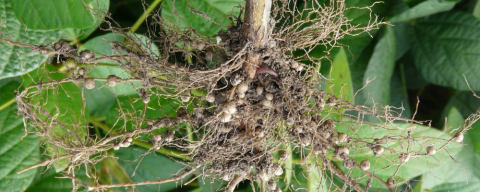
Afin de favoriser la nodulation, issue de l’association symbiotique entre plantes de Soja et bactéries fixatrices d’azote, et obtenir un nombre optimal de nodosités sur le système racinaire (au moins 10 par pied aux stades V3-R1) il convient de créer les conditions favorables à l’installation en nombre de bactéries viables et efficientes. Pour ce faire, plusieurs conditions doivent être satisfaites :
- Disposer d’un inoculum de qualité, sans contaminant, conservé dans les conditions mentionnées par le fabricant (températures fraîches et à l’abri de la lumière) avec une concentration adéquate d’une souche vivante et efficiente de Bradyrhizobium,
- Réaliser l’inoculation avec précaution, sans eau javélisée, à l’abri de la lumière et en allant semer en respectant les délais impartis entre inoculation et semis, dans le but de conserver la viabilité et l’efficience des bactéries,
- Réaliser le semis dans des conditions non-limitantes pour la nodulation (sol affiné en surface, nivelé et ressuyé sans être sec ; structure aérée, poreuse et exempte de tassements, semelles ou lissage ; éviter les sols à forte concentration en azote minéral).
Les diverses techniques d'inoculation
Pour inoculer une culture de soja, différents types d’inocula existent sur le marché français :
- Certains sont sous licence INRAE, contrôlés en termes de concentration en bactéries, d’identité de la souche, d’absence de contaminants et de stabilité des propriétés
D’autres produits sont sans licence, offrant moins de garanties pour leurs utilisateurs
1. Inocula commercialisés à base de Tourbe sur graine
La plus ancienne technique d’inoculation repose sur l’utilisation d’un inoculum sous forme de tourbe. Chaque sachet de tourbe doit contenir au moins 4*1011 bactéries pour garantir une concentration suffisante de bactéries par graine semée. Le contenu du sachet de tourbe est mélangé aux semences après ajout d’environ un litre d’eau non javélisée ou de lait. Il faut, une fois le mélange réalisé et conservé à l’abri de la lumière, semer dans un délai de 4 heures.
Cette technique initiale a été complétée par des additifs, le plus souvent des liquides osmo-protecteurs, permettant de limiter les pertes entre inoculation et semis et donc d’allonger le délai entre ces deux tâches.
Voici ci-dessous quelques exemples de spécialités commercialisées, avec des commentaires issus de l’expertise Terres Inovia, bâtie à la suite de séries d’essais sur le terrain :
Fabricant | Produit | Utilisation | Souche | Contrôle qualité INRAE | Avis Terres Inovia |
| AGRIFUTUR SARL | NITROGEN | Max 4h av. semis | G49 | Oui | Non testé TI |
| BASF | NPPL Force 48 | Max 48h av. semis | G49 | Oui | Très bon |
2. Inocula commercialisés à base de Tourbe sur micro-granulés d’argile
Il s’agit de mélanger le contenu du sachet de tourbe avec 10 kg de micro-granulés d’argile, opération plus facile et moins destructrice par rapport au mélange de 100 kg de semence. Cela aboutit en général à des nodosités mieux réparties sur l’ensemble du système racinaire et moins exposées aux alternances humectation/dessication. On obtient ainsi souvent des nodosités plus régulièrement fonctionnelles avec à l’issue des gains de rendement et/ou de teneur en protéine. Cette technique requiert l’utilisation du micro-granulateur présent sur les semoirs de précision.
| Fabricant | Produit | Utilisation | Souche | Contrôle qualité INRAE | Avis Terres Inovia |
| AGIFUTUR SRL | NITROGEN | Max 4h av. semis | G49 | Oui | Bon |
3. Inocula commercialisés liquides avec adjuvants
Sous format de flacon ou de bidon selon les quantités, ils permettent d’utiliser directement une solution bactérienne sans recours à la tourbe. Ces inocula sont utilisés avec un adjuvant servant de colle et de source carbonée pour une meilleure survie sur la graine, permettant ainsi une augmentation du délai inoculation-semis. Ils offrent de très bons résultats d’inoculation.
*Les souches SEMIA 5079 et 5080 sont issues de processus de sélection ayant eu lieu au Brésil, dans un contexte agropédoclimatique particulier et avec des objectifs très différents du contexte français. Alors que la stratégie brésilienne visait le déploiement de souches efficientes, robustes et très compétitives vis-à-vis des autres rhizobiums présents dans le sol, la position française s’est concentrée sur la sélection d’une souche stable et peu compétitive (souche G49), dans le but de faciliter l’inoculation de nouvelles bactéries en cas d’éventuel progrès génétique ou de perte d’efficience des supports actuels, ce que ne permettraient pas les souches sud-américaines.
| Fabricant | Produit | Utilisation | Souche | Contrôle qualité INRAE | Avis Terres Inovia |
| De Sangosse | Rhizoliq Top | Jusqu’à 10-12 jours | G49 | Oui | Très bon, leader du marché |
| Cerience | Vitalianz R Soja | Jusqu’à 2-3 jours | G49 | Oui | Très bien à 48h |
| Legume Technology Ltd. | Liquifix 120 | Jusqu’à 120 jours d’après Catelin-Logi-Fert | SEMIA 5079 SEMIA 5080 | Non | Déconseillé* |
| Legume Technology Ltd. | Liquifix | Jusqu’à 7 jours d’après Catelin-Logi-Fert | SEMIA 5079 SEMIA 5080 | Non |
4. Semences pré-inoculées en usine
Produits innovants, [QL1.1]mais techniquement difficiles à produire, du fait de la nécessité de maintenir en vie plus d’un million de bactéries par graine pendant 2 à 3 mois, durée moyenne des opérations entre le traitement et l’ensachage des semences jusqu’au semis. De plus, la surface de la graine constitue à priori un environnement hostile à la survie des bactéries qui ne sporulent pas. Il faut donc y associer un produit osmo-protecteur qui puisse également fournir une source carbonée pour sa survie.
Sur le marché, c’est BASF qui domine ce segment, avec le procédé HICOAT, dont la concentration en bactéries est, à ce jour, considérée comme faible par rapport aux concentrations recommandées par l’INRAE (5.105 contre minimum de 1.106 bactéries/graine). Les conditions de survie imposées aux bactéries font que le résultat de nodulation n’est pas toujours à la hauteur des inocula classiques. BASF ne préconise donc pas l’utilisation de graines avec pré-enrobage HICOAT sur des parcelles n’ayant pas porté de soja depuis plus de 5 ans.
| Fabricant | Produit | Utilisation | Souche | Concentration garantie | Avis Terres Inovia |
| BASF | Hicoat Super + Extender | Au semis | 532C | 5.105 Bactéries/grain | Pratique, mais à réserver aux parcelles ayant connu du Soja récemment |
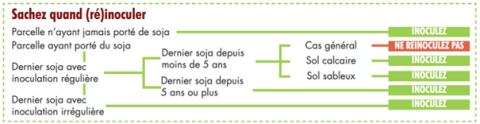
Quand faut-il ré-inoculer ?
Une fois introduit par une première inoculation réussie, les rhizobiums survivent généralement très bien à des niveaux ne nécessitant pas une ré-inoculation ultérieure. Cependant, quelques exceptions existent, constituant des situations pour lesquelles une nouvelle inoculation est nécessaire :
Les sols calcaires avec présence de calcaire actif,
Les sols sableux (>35 % sables) pauvres en matière organique,
Les parcelles n’ayant pas porté de soja depuis de nombreuses années (> 5 ans)
Pour en savoir plus :
Soja : pourquoi et comment inoculer pour avoir un rendement optimal ?
Inoculation : les origines de cette pratique
Inoculation : tout savoir sur la réglementation
Bien préparer sa campagne soja – RTTI 2022
Exprimer le potentiel du soja – RTTI 2023
Rédaction :
Quentin LEVEL (q.level@terresinovia.fr) – Ingénieur régional de développement Sud-Ouest (ex-Aquitaine, Gers, Hautes-Pyrénées)
Emile LEREBOUR (e.lerebour@terresinovia.fr) – Chargé d’étude, nutrition des cultures
Emile LEREBOUR (e.lerebour@terresinovia.fr)
Successful chickpea sowing: an update before you start
For chickpeas, as for other oilseeds, planting is a crucial stage. Terres Inovia takes a look at the key factors for successful planting.
Choose your plot carefully and don't grow more than one chickpea every 5 years.
Chickpea thrives on non-hydromorphic soils, with medium to superficial reserves and good spring warming capacity. As a value-added niche crop, clay-limestone soils are particularly well-suited to this crop. To ensure nodule formation, the pH must be between 7 and 9. We also recommend plots free of difficult weed flora (datura, xanthium, nightshade, ragweed, sunflower regrowth).
No more than one chickpea every 5 years! To minimize the risk of disease (fusariosis and ascochytosis), chickpeas should not be planted on the same plot for at least five to six years.
The map below shows the presence of mesorhizobium specific to chickpea in the area, according to expert opinion. This mesorhizbium is necessary for the establishment of nodules, which provide the bulk of nitrogen requirements. In the shaded areas, the specific bacteria are not present, and this will severely limit the crop's potential. Other grain legumes are certainly better suited to these areas.
Attention à la provenance des graines semées !
L’ascochytose (anciennement anthracnose), maladie la plus fréquente sur pois chiche, se conserve principalement sur les graines. Ainsi, la prise de risque est forte lorsqu’on réutilise des graines contaminées. En effet, on s’expose à une contamination primaire des plantes, dès la levée, avec des pertes associées estimées entre 25 et 75% du rendement. En plus des autres leviers agronomiques, l’utilisation de semences certifiées, est une première barrière à la maladie.
Un seul traitement de semence efficace contre l’ascochytose est disponible à ce jour : Prepper (Fludioxonil 25 g/l). Le Prepper permet de diminuer le pourcentage d’attaque de près de 80% de plantes atteintes 40 jours après la levée en situation de fortes attaques (essai 2023).

Consultez les résultats des variétés commercialisées sur notre site Myvar

Reprise des sols : tenez compte du niveau de ressuyage avant d’intervenir
Avant d'intervenir, il est recommandé de vérifier (avec une bêche) la profondeur réellement ressuyée. Il faudra alors adapter la profondeur de travail à cette observation, en particulier limiter le travail à la zone ressuyée, aller au-delà provoquerait la création de mottes, ou au contraire un lissage, défavorables à la levée et à l’exploration racinaire. Optez pour un outil à dents léger type vibroculteur ou herse plate et éviter les outils à disques. Comme toutes les légumineuses à graines, le pois chiche nécessite un sol bien structuré avant l’implantation, ce qui permettra une exploration racinaire optimale tout en garantissant le bon fonctionnement des nodosités.
Sol réchauffé et bien ressuyé indispensable pour un semis dans de bonnes conditions
Tenez compte de la plage de semis idéale pour votre région:
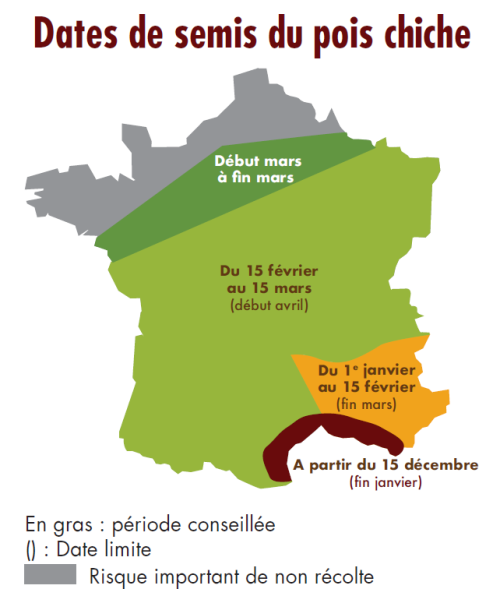
Pour une grande partie du territoire, la période de semis optimale se situe de mi-février à mi-mars (voir carte ci-contre). Lorsque les conditions climatiques ne sont pas réunies, il est fortement conseillé de reporter le semis, afin d’implanter la culture lorsque la parcelle est ressuyée et suffisamment réchauffée. La température du sol, à la profondeur de semis, doit être supérieure à 7°C pour favoriser la germination. Dans les secteurs concernés, attention aux dégâts de corvidés, pigeons ramier et/ou de sangliers au moment des semis.
Un semoir monograine de préférence
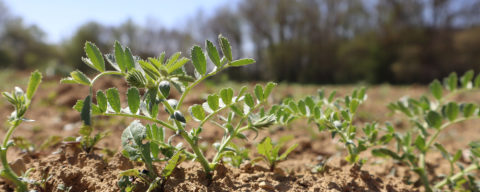
Aujourd’hui, Deux modes de semis sont possibles. Le semis à faible écartement (semoir à céréales), apprécié pour sa couverture rapide du sol, et le semis large écartement (semoir monograine), qui assurera une meilleure précision de la dose et de la profondeur de semis. Semer entre 4 et 5 cm de profondeur et viser 50 plantes/m² levées.
Pour plus d'informations, n'hésitez pas à consulter ces articles:


Growing soybeans successfully in the South-West
Our other training courses
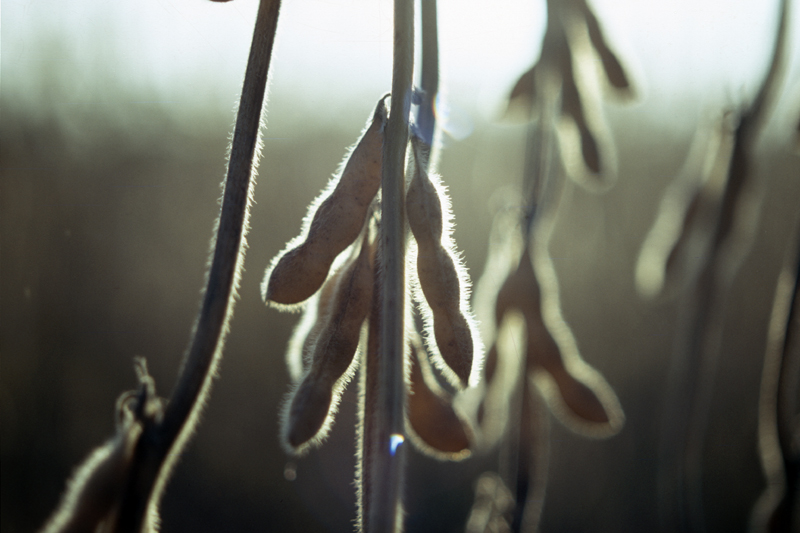
Soya: a strategic crop for sustainable systems
Sur devis
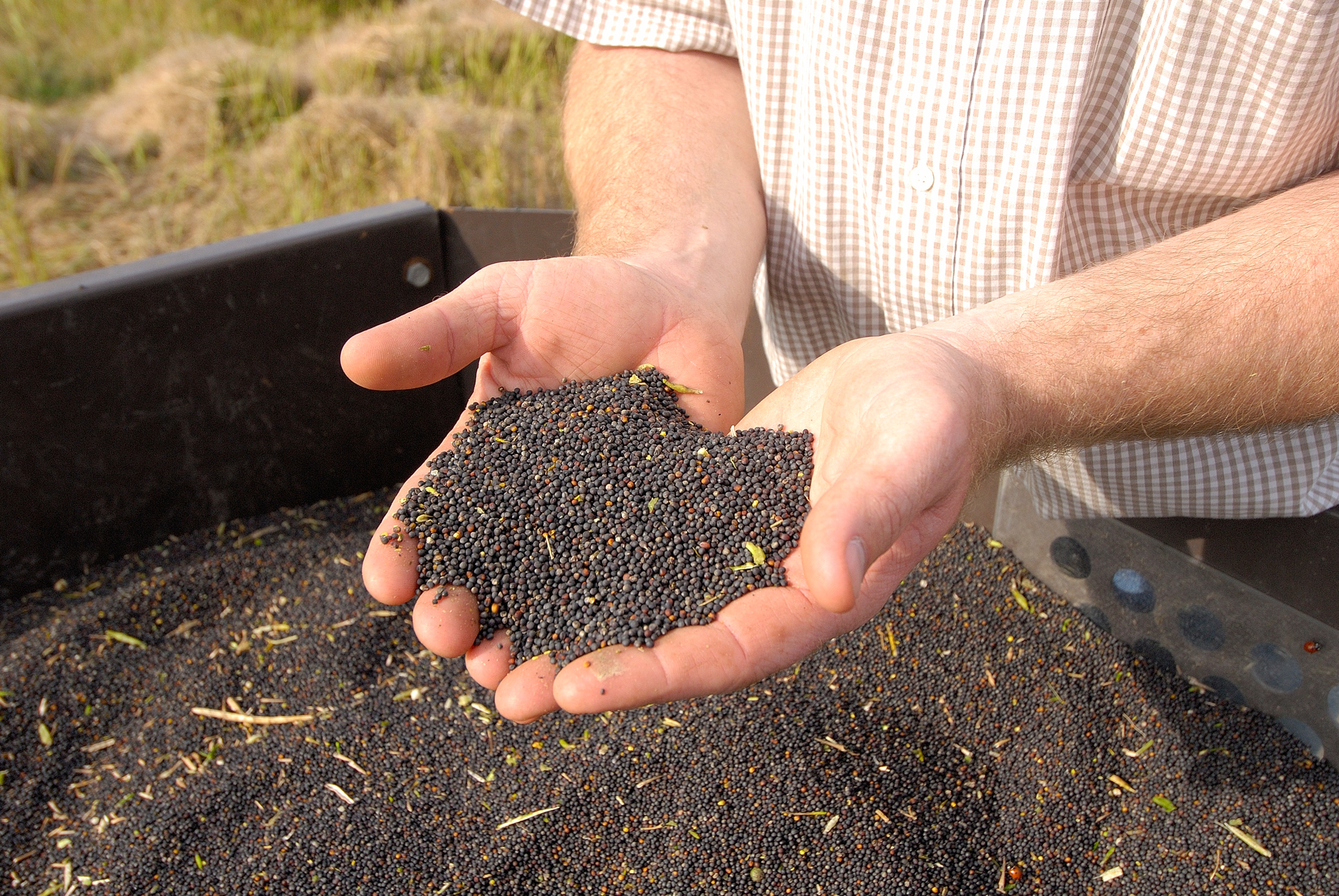
Optimization of crushing and mechanical extraction of oil-protein seeds
Sur devis
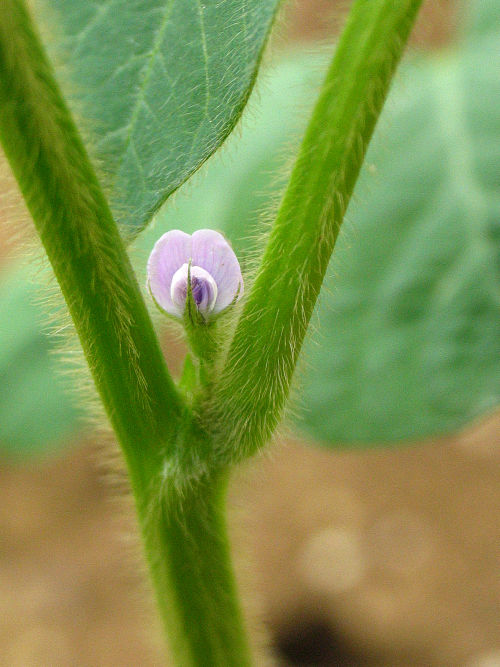
Soybeans: Diagnosing climatic accidents
Sur devis
Soya, a crop of the future to be mastered!
In a context of agro-ecological transition, soybeans are back in the spotlight thanks to their low input requirements and varied outlets. Boosted by regulatory and economic support (protein plan, MAEC, SIE...), this crop offers real opportunities in both conventional and organic farming. This training course will provide you with a comprehensive, practical technical approach to successfully manage each stage of the crop, secure your yields and make the most of your production.
The program includes
1 Plant and canopy functioning:
- Key aspects of soybean physiology and phenology
- Highlighting levers for improving yields
2 - Cultural management adapted to the South-West :
- Planting
- Weed management
- Crop protection
- Water management
- Harvest control
3 Diagnosis of major accidents :
- Recognition of soybean pests
- Identification of root and leaf diseases
- Frequent climatic accidents in the South West
4 Approach to organic crop management
5 - Soybeans in catch crops: some indicators
Training organized in collaboration with FILEG (free for their members)
At the end of the course, participants will be able to :
- Understand how plants function
- Analyze the factors influencing yield and the technical levers for optimization
- Recommend key cultivation techniques for successful soybean cultivation
- Implement good harvesting practices
- Detect and diagnose major crop failures (pests, diseases, abiotic stresses)
- Adapt crop management to the specificities of organic agriculture
Face-to-face format (1 day) :
-
Theoretical input via illustrated presentations and case studies.
-
Interactive exchanges between participants and trainers to share experiences and questions.
Active methods: Presentations, case studies, debates, questions and answers.
Evaluation: Quiz, Q&A, individual satisfaction survey, self-assessment.
Theoretical support: Lectures, presentations, written material given to participants.
Case studies: Feedback from the field to illustrate best practices and solutions.
Exchange of practices: Discussions and sharing between trainees and trainers.
Agricultural technicians and advisors, Farmers and producers, Agricultural teachers and trainers, Agronomic and technical sales managers in agricultural distribution, Agri-food / processing industry players Quiz, Q&A, individual satisfaction survey, self-positioning.If you have any requests for adaptations to help you succeed in your course, please contact the disability referent:
Christel CARO
Tel: 01 30 79 95 09
Mail: formation@terresinovia.fr
Aucun 480€ TTC 5 15 https://public.dendreo.com/4rsx27tf4npws6tp4zAwc/media/jv72wsdgmr5hgzdf4ztwyrdxmngvm7dw4brh16cxj27A2wrr38rcwz53hbfgy5lmmzt25pj5hj6x1Azrj77v46cnn83w99jvgngs98bvgzhfcpj8 1 Jour Quentin LAMBERT 93 Inter-company and intra-companySoya: a strategic crop for sustainable systems
Our other training courses
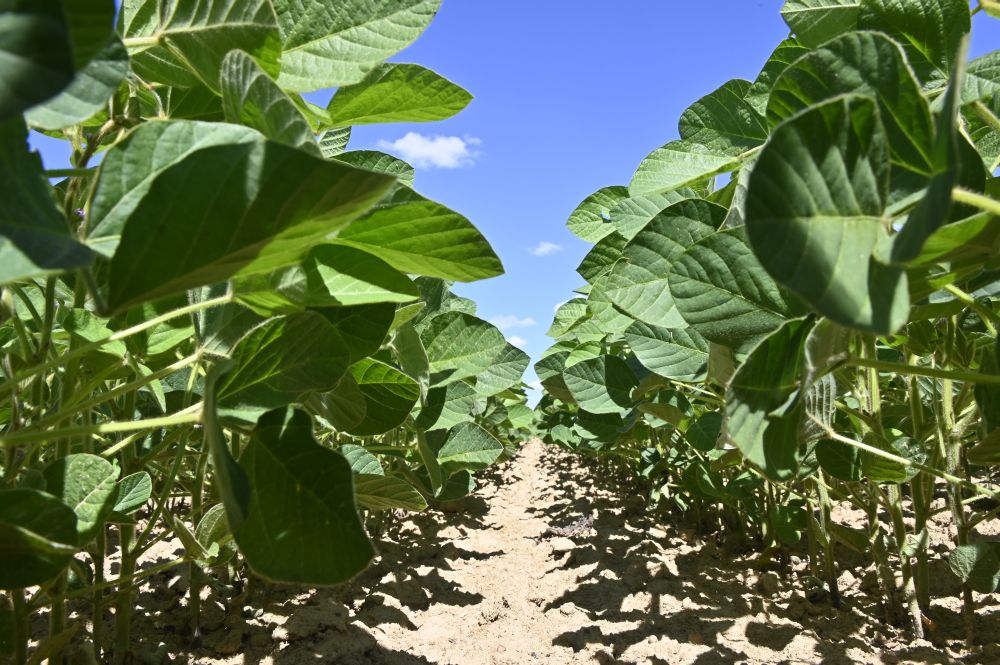
Growing soybeans successfully in the South-West
Sur devis
Optimization of crushing and mechanical extraction of oil-protein seeds
Sur devis
Soybeans: Diagnosing climatic accidents
Sur devis
Soya, a crop of the future to be mastered!
In a context of agro-ecological transition, soybeans are back in the spotlight thanks to their low input requirements and varied outlets. Boosted by regulatory and economic support (protein plan, MAEC, SIE...), this crop offers real opportunities in both conventional and organic farming. This training course will provide you with a comprehensive, practical technical approach to successfully manage each stage of the crop, secure your yields and make the most of your production.
The program includes
1 Plant and canopy functioning:
- Key aspects of soybean physiology and phenology
- Highlighting levers for improving yields
2 - Cultural management and associated decision-making rules:
- Planting
- Weed management
- Crop protection
- Water management
- Harvest control
3 Diagnosis of major accidents :
- Recognition of soybean pests
- Identification of root and leaf diseases
- Frequent climatic accidents
4 Approach to organic crop management
5 Soybeans in catch crops: a few indicators
At the end of the course, participants will be able to :
- Understand how plants function
- Analyze the factors influencing yield and the technical levers for optimization
- Recommend key cultivation techniques for successful soybean cultivation
- Implement good harvesting practices
- Detect and diagnose major crop failures (pests, diseases, abiotic stresses)
- Adapt crop management to the specificities of organic farming
Face-to-face format (1 day) :
-
Theoretical input via illustrated presentations and case studies.
-
Interactive exchanges between participants and trainers to share experiences and questions.
Active methods: Presentations, case studies, debates, questions and answers.
Evaluation: Quiz, Q&A, individual satisfaction survey, self-assessment.
Theoretical support: Lectures, presentations, written material given to participants.
Case studies: Feedback from the field to illustrate best practices and solutions.
Exchange of practices: Discussions and sharing between trainees and trainers.
Agricultural technicians and advisors, Farmers and producers, Agricultural teachers and trainers, Agronomic and technical sales managers in agricultural distribution, Agri-food / processing industry players Quiz, Q&A, individual satisfaction survey, self-positioning.If you have any requests for adaptations to help you succeed in your course, please contact the disability referent:
Christel CARO
Tel: 01 30 79 95 09
Mail: formation@terresinovia.fr
Aucun 480€ TTC 5 15 https://public.dendreo.com/4rsx27tf4npws6tp4zAwc/media/hbjx4nt34fAg5zdd3vdfs5c3g2vA366pj1vv2vbpm8wx2t5xjbdvczkfgn5xc6dmnfsvcpj5hjgfmrdg3f6x3Ads4bngsk6hjy6fgmjwpfd2cpj8 1 Jour 44 Inter-company and intra-companySoybeans: Diagnosing climatic accidents
Our other training courses
Growing soybeans successfully in the South-West
Sur devis
Soya: a strategic crop for sustainable systems
Sur devis
Optimization of crushing and mechanical extraction of oil-protein seeds
Sur devis
Hail, heatstroke, thunderstorms... Do you really know how to recognize a climatic accident on soybeans?
Yield losses due to climatic hazards are on the rise, and an error in diagnosis can compromise compensation or effective intervention. This training course will give you the reflexes you need to accurately identify climatic damage and differentiate it from other causes (diseases, pests, deficiencies, etc.). Gain in responsiveness, reliability... and expertise.
Program:
1. soybean physiology
- Key stages in development
- Factors influencing yield production
2 Cultural management and critical points
- Emergence, flowering, pod filling
- Impact of practices on performance
3.crop accidents - typology and recognition
- Climatic hazards: hail, heat stroke, excess water, strong winds
- Pest and disease damage
- Nutritional deficiencies and abiotic stress
- Phytotoxicities (herbicides)
- Other observable anomalies
On completion of the course, participants will be able to:
- Explain the key elements of soybean physiology in relation to crop management and yield formation.
- Identify sensitive phases in soybean development, from emergence to harvest.
- Diagnose the main climatic accidents (hail, wind, heat, storms, etc.).
- Differentiate between other causes of damage: diseases, pests, nutritional deficiencies, phytotoxicities, etc.
Face-to-face format:
-
Classroom contributions: Presentation of the types of climatic accidents, case studies, application exercises.
-
Field observation (if conditions are favorable): Analysis of real-life situations in the field (depending on date and availability of sites).
Active methods: Presentations, discussions, questions and answers, case studies, applied diagnostics.
Evaluation: Quiz, questions and answers, practical exercises, self-assessment, individual satisfaction survey, self-assessment.
Theoretical support: Presentations, lectures, summary documents given to participants.
Case studies: Real-life situations analyzed collectively, according to context.
Exchange of practices: Feedback between participants and trainers to enrich diagnoses.
Agricultural technicians and advisors, Employees of agricultural cooperatives and sales outlets (agronomy and technical sales departments), Agricultural insurance experts or inspectors, Soybean industry managers, Teachers and trainers, Farmers looking to improve their skills or carry out self-diagnosis on their plots of land Quiz, Q&A, self-positioning, individual satisfaction survey.If you have any requests for adaptations to help you succeed in your course, please contact the disability referent:
Christel CARO
Tel: 01 30 79 95 09
Mail: formation@terresinovia.fr
Aucun 240€ TTC 5 15 https://public.dendreo.com/4rsx27tf4npws6tp4zAwc/media/mvwgk65Akbww49dtgfA2mAdtjyytqs5rj7zt14cp38wx2n5knz2g3s5vk25fg7lzjjlAcpj5hjcxc55rfncs9Ack38kAgvd2jqvxqrsA4Axvcpj8 1 Jour 34 Inter-company and intra-company